New Paragraph

EDI and Pupil Charter

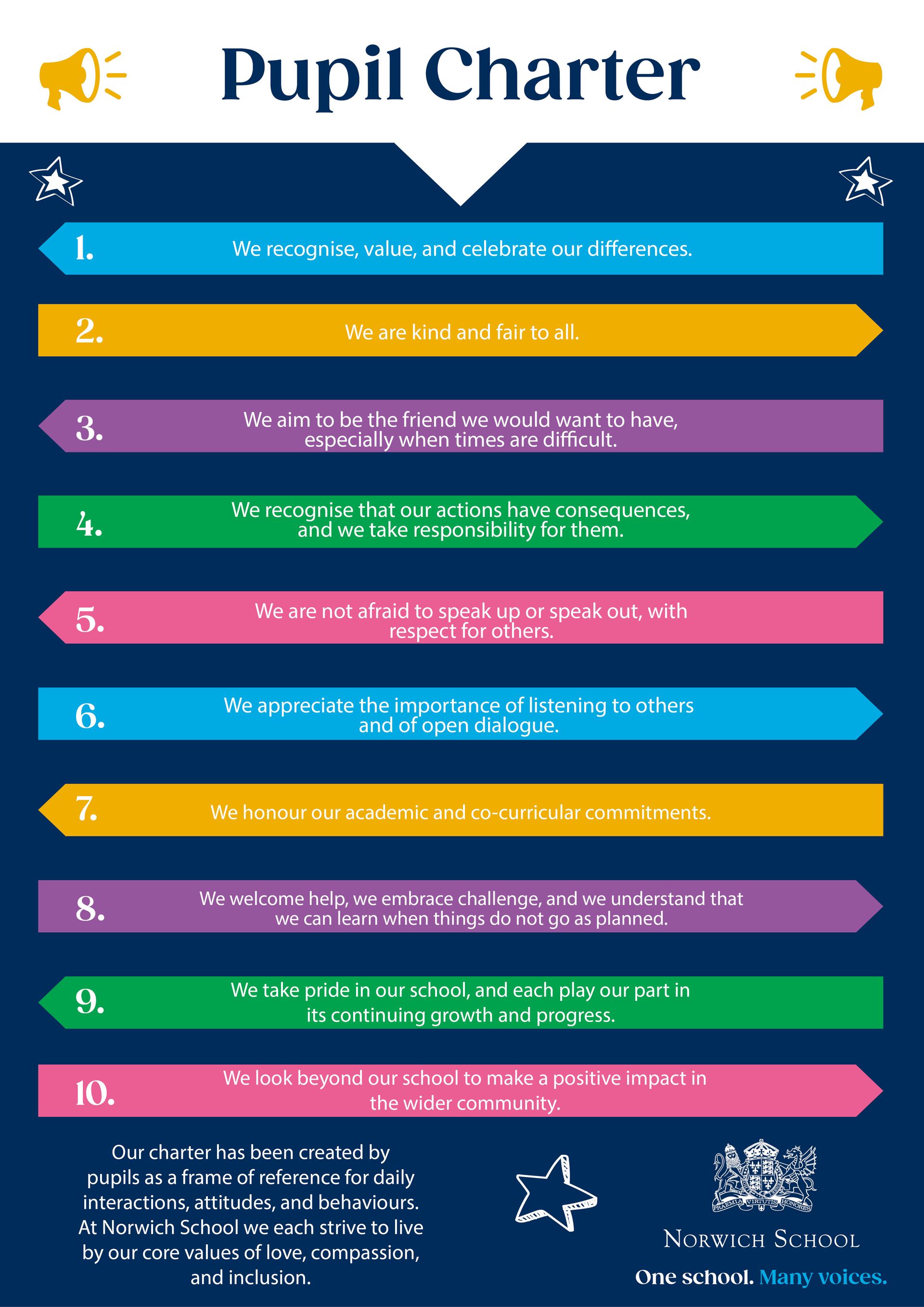
Our Pupil Charter

Norwich School is committed to advancing Equity, Diversity, and Inclusion (EDI) throughout our community.


Our core values of love, compassion, and inclusion are integral to our daily practices. We aim for every pupil to feel heard and valued, encouraging them to explore diverse perspectives and to celebrate difference. We believe that EDI is an ongoing journey, not a one-time event, and we strive for continuous improvement.


To enhance our efforts, we collaborate with organisations including the African Caribbean Education Network, TeachUs Consent, and the Norfolk LGBT+ Project.


Read more about this in our EDI statement below.

EDI Statement

At Norwich School: 

  • We understand Belonging to be instrumental to realising our values, aiming for all pupils, staff and parents/guardians to feel welcome and safe. 
  • We champion equity for all pupils, enabling them to feel empowered, heard and valued. 
  • We aim to foster a culture of inclusion and belonging within our community, encouraging pupils to bring their full selves to school, and we recognise that this is everybody’s responsibility. 
  • We acknowledge that inclusion and belonging is an ongoing journey and commit to embedding these values in our everyday practice and interactions. 


We realise this ambition by 

  • Actively celebrating and usualising difference by exploring diverse narratives and whole- school events. 
  • Our Learning For All culture of learning, ensuring that every pupil, including those with Special Educational Needs, can access the curriculum. 
  • Empowering and educating our whole school community to speak out against discrimination of all kinds, reinforcing our zero-tolerance approach. 
  • Ensuring that our policies and processes protect and uplift every voice in our school community, reviewing them regularly to ensure this. 
  • Listening to and championing Pupil Voice to guide our actions. Ensuring that we consult with impacted communities when making change. 
  • Holding space for challenging and honest conversations, both in the classroom and beyond, so that pupils and staff can engage openly with difference and disagreement. 


What does this look like in practice? 

  • Norwich School has a full time, designated Equity, Diversity and Inclusion Officer who provides training to staff, education to pupils and liaises with our SMT to ensure issues relating to inclusion and belonging remain prioritised. 
  • We facilitate a range of affinity and focus groups, giving emphasis to pupil voice, and providing a space for them to feel seen and heard. 
  • We provide staff training on unconscious bias, handling instances of discrimination, and encourage staff to not just focus on what we teach, but how we teach it. 
  • Working with external facilitators to diversify our curriculum with specialist staff training. 
  • We maintain robust, transparent reporting mechanisms so pupils can raise concerns with confidence, including the option to report anonymously. 
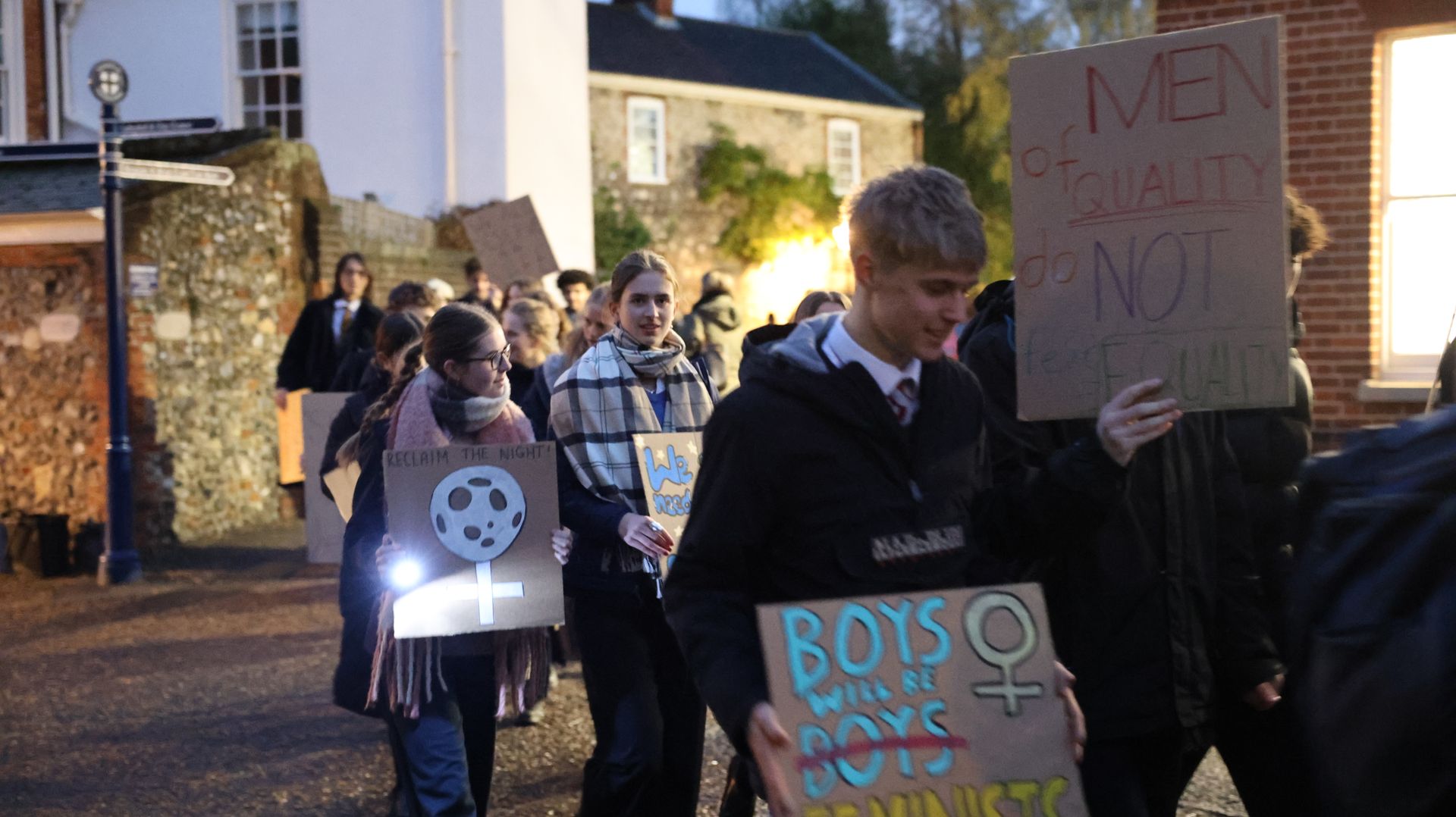
  • We celebrate a rich variety of cultural events throughout the year, including Black History Month, International Women's Day, and Reclaim the Night. 
  • All pupils explore protected characteristics, stereotypes, and active bystander skills through our Pupil Personal Development programme, alongside a range of additional enrichment activities linked to key events in the calendar 
  • We have a termly meeting with the Safeguarding and EDI committee of governors to ensure we maintain accountability, reporting back on recent developments and trends within the belonging space.


“Pupils often engage thoughtfully with matters of Inclusion and Belonging. There is a genuine curiosity and enthusiasm within and outside of the classroom for discussing matters relating to Social Justice which is inspiring to witness.”

- Mrs Scott, EDI Officer 

Working with External Partners

We are proud to work alongside a range of external organisations who support and challenge our thinking on inclusion and belonging, including: 

  • The Halo Code 
  • The Norfolk LGBT+ Project 
  • African Caribbean Education Network (ACEN) 
  • Outskirts Outreach 
  • Teach Us Consent 
  • Daniel Principe 
  • Diverse Educators 
  • The ADHD Foundation 


Our Policies

EDI News
By Eleanor Lewis • March 16, 2026
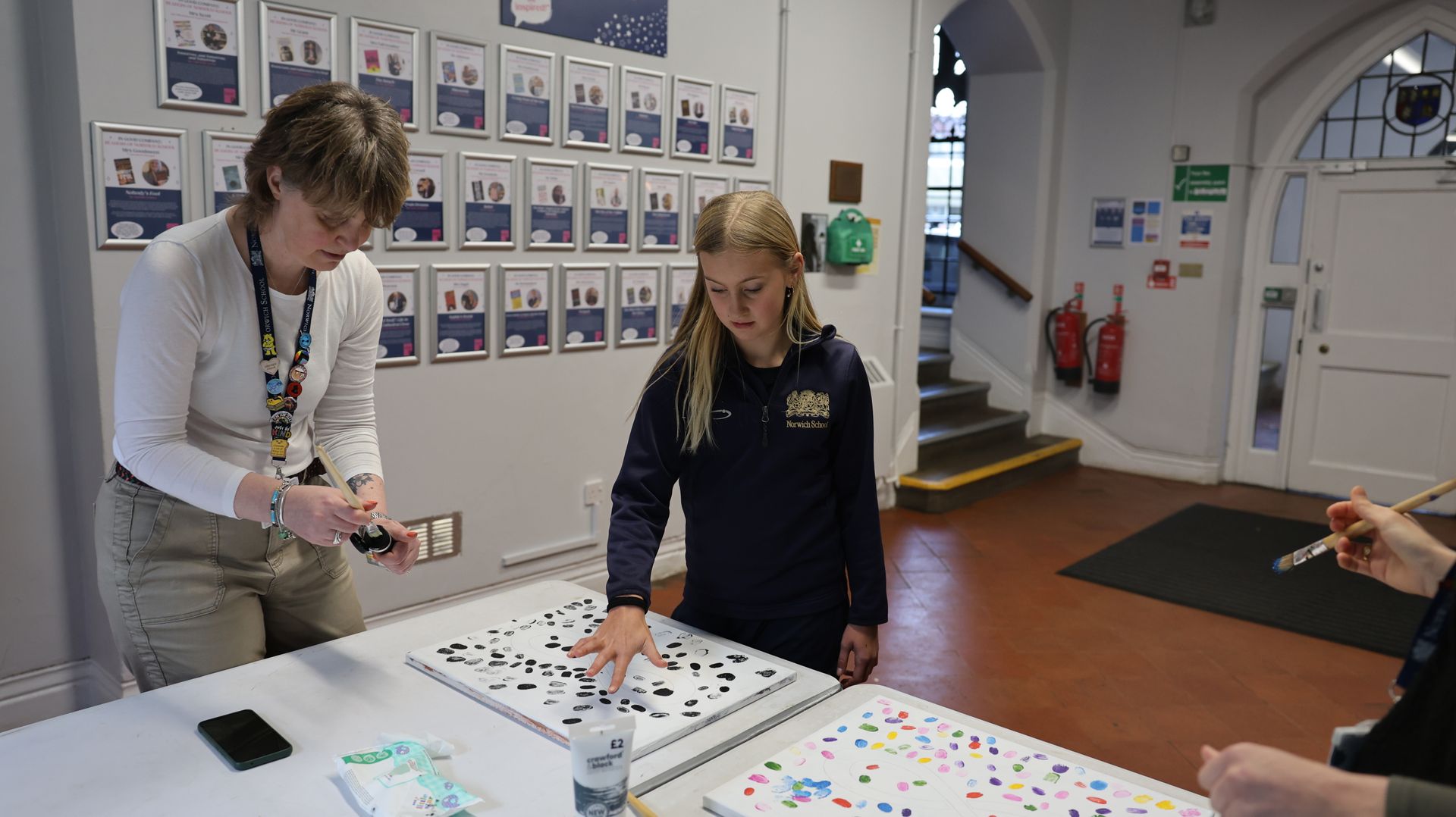
From March 16 - March 20, Norwich School celebrated Neurodiversity Celebration week through a series of engaging whole School events.  Pupils from across the school worked alongside staff from the SEND department and the School’s EDI officer to learn about and celebrate neurodiversity throughout the week. On Monday pupils got creative creating a piece of community artwork to celebrate Neurodiversity. The artwork included fingerprints from staff and pupils to represent how no two brains are alike, and that we all deserve a place to feel seen and celebrated. On Wednesday over 50 pupils joined in with activities in the Undercroft Library. The activities explored pupil’s knowledge and attitudes towards neurodiversity and promoted discussion surrounding the representation of neurodiversity in the media as well as neurodiverse celebrities. Pupils reflected positively on these topics, sharing thoughts such as; “Representation is important so that people aren’t treated badly in real life” “Writers can interview and get to know neurodivergent people to get an accurate understanding of what is actually like to have that specific condition” “Representation is important because it shows that not all people who are neurodiverse are the same.” “Representation is important to help people feel seen and to educate people.” The event ended with delicious cupcakes and treats for all who took part. Finally, on Friday tutor groups took part in a Neurodiversity Survey, which looked to understand pupil’s perceptions of neurodiversity across the school. This survey will help us understand pupil opinions and experiences, so that we can continue to champion neurodiversity all year round.
By Eleanor Lewis • March 9, 2026
Sunday 8 March marked International Women's Day. A day to celebrate the achievements women have made in the fight for equality, to reflect on the journey that brought us here, and to look ahead at how we can empower the next generation. We have come a long way since the suffragettes marched and campaigned in the early 20th century. But we still have a long way to go. In assemblies like this, we often shine a spotlight on inspirational women, changemakers, trailblazers and revolutionaries. But today, I want to step back and look at statistics that explore the bigger picture, the everyday reality for women in the UK. We often use statistics to try to ground ideas in reality, and when it comes to women's equality, there is no shortage of figures to choose from. But statistics can feel cold and distant, disconnected from the real people behind them. So today, rather than just reading numbers off a page, we are going to bring them to life. When your year group or form is called, please stand up silently and remain standing until I ask you to sit. Please will Lower 5, Middle 5, Upper 5 and Lower 6 stand Look around you. The number of people now standing represents approximately 62% of our school, and that figure represents the proportion of young women aged 18 to 34 who have experienced online abuse or harassment. That is roughly 2 in every 3 women. [Please sit.] Online harassment has only become more serious in recent years, as our digital and real lives become ever more intertwined. New forms of exploitation, including deepfake technology, are exposing women and girls to harm on a scale we are only beginning to understand. But this is something we have the power to change. We can be the generation that says no to these behaviours and works to build a safer, more equitable world online. Please will Lower 4, Middle 5 and Upper 6 stand The pupils now standing represent around 44% of our school. This figure reflects the proportion of women aged 16 to 34 who have experienced catcalling, unwanted sexual comments, or street harassment. [Please sit.] Street harassment predominantly affects young women, and its impact runs far deeper than the moment itself. It shapes how safe women feel walking down the street, affects their confidence and self-esteem, and can limit their independence. We can be the generation that ends this, not by looking the other way, but by speaking up, challenging the behaviour, and holding each other to a higher standard. These two statistics are just a glimpse into a much wider picture. Women still face significant barriers in education, employment, and daily life, both here in the UK and around the world. Many of these barriers are preventable. And they can be overcome in our lifetime, if we choose to act. So let's also look at the progress already made. Please will Upper 4 stand This represents 10% of our school — the percentage of female MPs in the House of Commons back in 1997. Please will Lower 5 and Upper 5 also stand Now we have 40% of the school standing. That reflects the proportion of UK MPs who are women today, 263 women in the House of Commons, the highest number in our history. [Please sit.] More women in Parliament means women's voices are heard more clearly in the decisions that shape all of our lives. It gives a real voice to issues impacting women and means legislation is shaped by a deeper understanding of women's experiences. That is real, tangible progress. Please will Lower 4 stand This is around 9.5% of the school — the percentage of FTSE 350 company board positions held by women back in 2011. Please will Upper 5 and Upper 6 also stand And this is 43% — where we are today. In just fifteen years, representation on company boards has transformed. That is not a small shift. That is a movement. [Please sit.] I hope that seeing these numbers standing in front of you, as people, not percentages, has given you pause to think. The women experiencing gender-based harassment and violence are not statistics. They are individuals with their own stories, their own lives, and their own potential. And the women driving change, in Parliament, in boardrooms, in their communities, each have their own story too. International Women's Day is a time to reflect on how far we have come and how far we still have to go, and it is vital we never lose sight of the individuals behind that journey. If we can leave you with one challenge, it is this: next time you see a statistic, don't let it wash over you. Consider the real person behind it, someone with a life, a story, and people who love them. Because collective progress doesn't happen in parliaments or boardrooms alone. It starts with empathy, and empathy starts with us.
By Eleanor Lewis • February 4, 2026
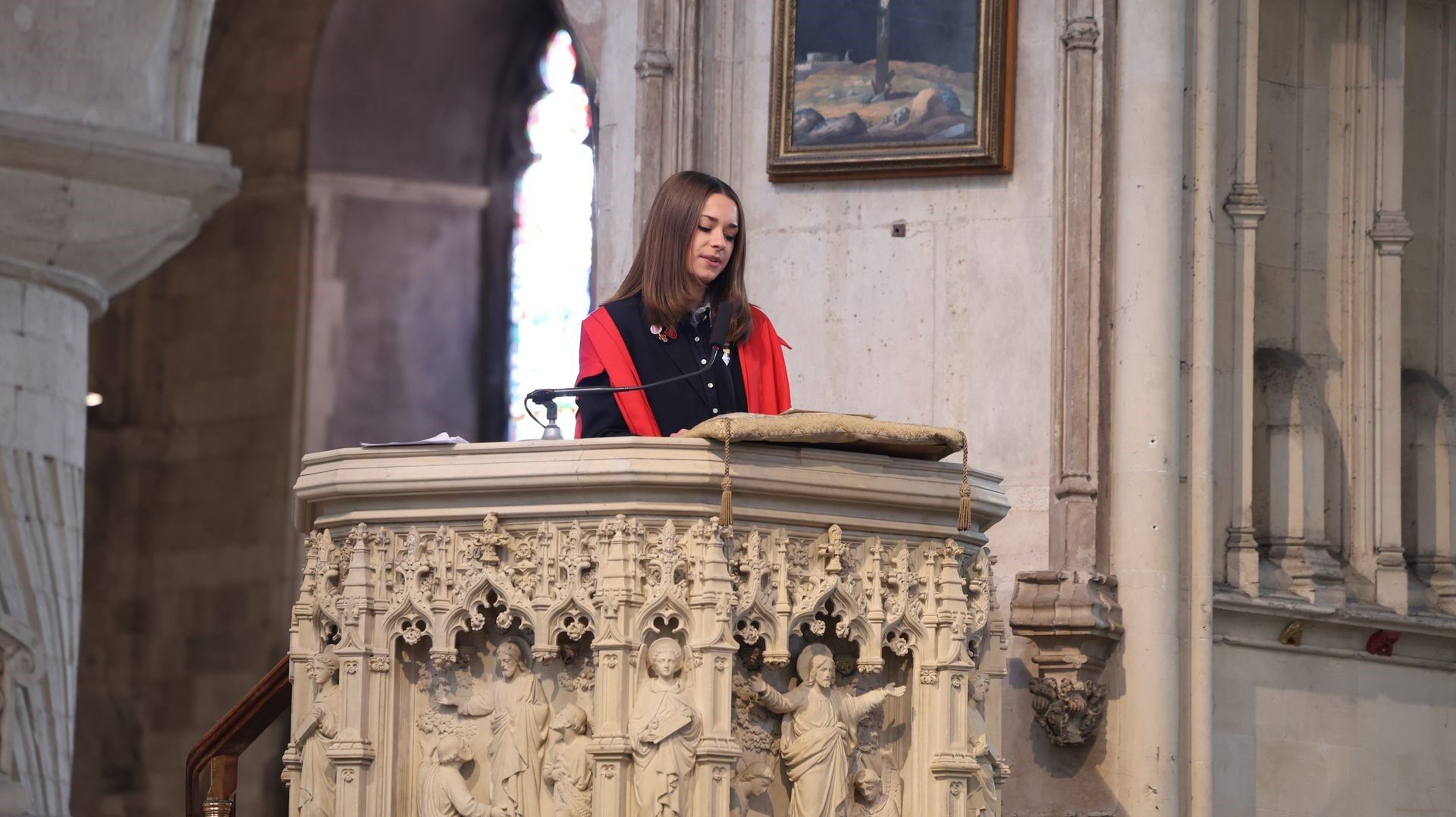
On Wednesday 4 February Lana Kiddell from our school Pride Group and Mrs Scott, EDI Officer, gave an assembly to commemorate LGBTQ+ History Month. A story is a powerful thing. Stories can unite, divide, inspire and soothe us and I truly do not believe that there is a single human alive who has not been moved by a story in some way. Stories, and books in particular, are amazing vehicles for empathy and connection. They allow us to step into someone else’s shoes, to experience a world that is not our own, and to gain insight into what it feels like to be someone else. Through stories, we come to understand people we may never meet, lives we may never live, and perspectives far beyond our own. In many ways, all of human existence is preserved through stories. And because of that, I often find myself wondering whose stories we choose to tell, and whose stories are lost to time because of their identity, their background, or their social standing. February marks LGBTQ+ History Month, and a key part of any history month is storytelling. LGBTQ+ stories have often been marginalised, suppressed, or erased altogether. For much of history, Queer people were forced to hide their identities and communities for fear of persecution, punishment, or exclusion. As a result, many stories were never shared openly, and many were deliberately silenced. Today, we are going to shine a light on just a few LGBTQ+ stories that deserve to be heard, because they help us understand the world, and one another, more fully. One of the most well-known figures in British literary history is Oscar Wilde. Wilde was celebrated in his lifetime for his wit, his intelligence, and his writing. His plays and books were extremely popular and still are today. Despite his fame, Wilde was imprisoned for being gay in 1895. After his conviction, his reputation was destroyed. His work was removed from theatres, his name became a source of shame, and for many years his writing was dismissed or ignored. Wilde’s story reminds us that even the most brilliant voices can be silenced when society decides that someone’s identity makes them unacceptable. Despite this, Oscar Wilde’s work is now widely celebrated and shared along with his LGBTQ+ identity. Where Wilde shows us how stories can be suppressed, Audre Lorde shows us how storytelling can be an act of resistance. Lorde described herself as a Black, lesbian mother, warrior poet. She wrote unapologetically about identity, power, love, and injustice, refusing to separate who she was from what she wrote, contributing a powerful voice to the civil rights movement. One of her famous quotes “Your silence does not protect you” reminds us that speaking up about injustice is powerful and important, and that remaining quiet does nothing to protect ourselves or others. She understood that telling your story, especially when the world would prefer you not to, is an act of courage. Her work challenges readers to listen to voices they may not be used to hearing, and to recognise that our differences are not weaknesses, but sources of strength. More recently, we are seeing LGBTQ+ stories shared more openly, particularly in literature for young people. One example is Alice Oseman, creator of the now iconic Heartstopper series, whose work centres queer characters living ordinary, everyday lives, forming friendships, falling in love, struggling, and growing. These are not stories defined by tragedy or secrecy, but they are universally relatable experiences. For many young people, reading stories like these can be the first time they truly see themselves reflected in a book. And for others, it may be their first opportunity to understand experiences different from their own. That matters. Seeing yourself in a story can be affirming, but learning about someone else through a story is how empathy grows. So LGBTQ+ History Month is not just about looking backwards. It is about asking ourselves what we do with stories now. Whose voices do we listen to, and how can we learn from the past to more positively shape the future. Stories help us understand one another. They remind us that people are complex, layered, and deserving of respect. When we choose to listen to stories that are not about us, we practise empathy. And when we make space for all stories to be told, we create a world where fewer people feel invisible, unheard, or alone. If you would like to get involved in celebrating LGBTQ+ history month please join us this lunchtime in the Undercroft where we will be creating a display for LGBTQ+ history month and making a badges with a visitor from the LGBTQ+ project. Thank you.
By Eleanor Lewis • January 26, 2026
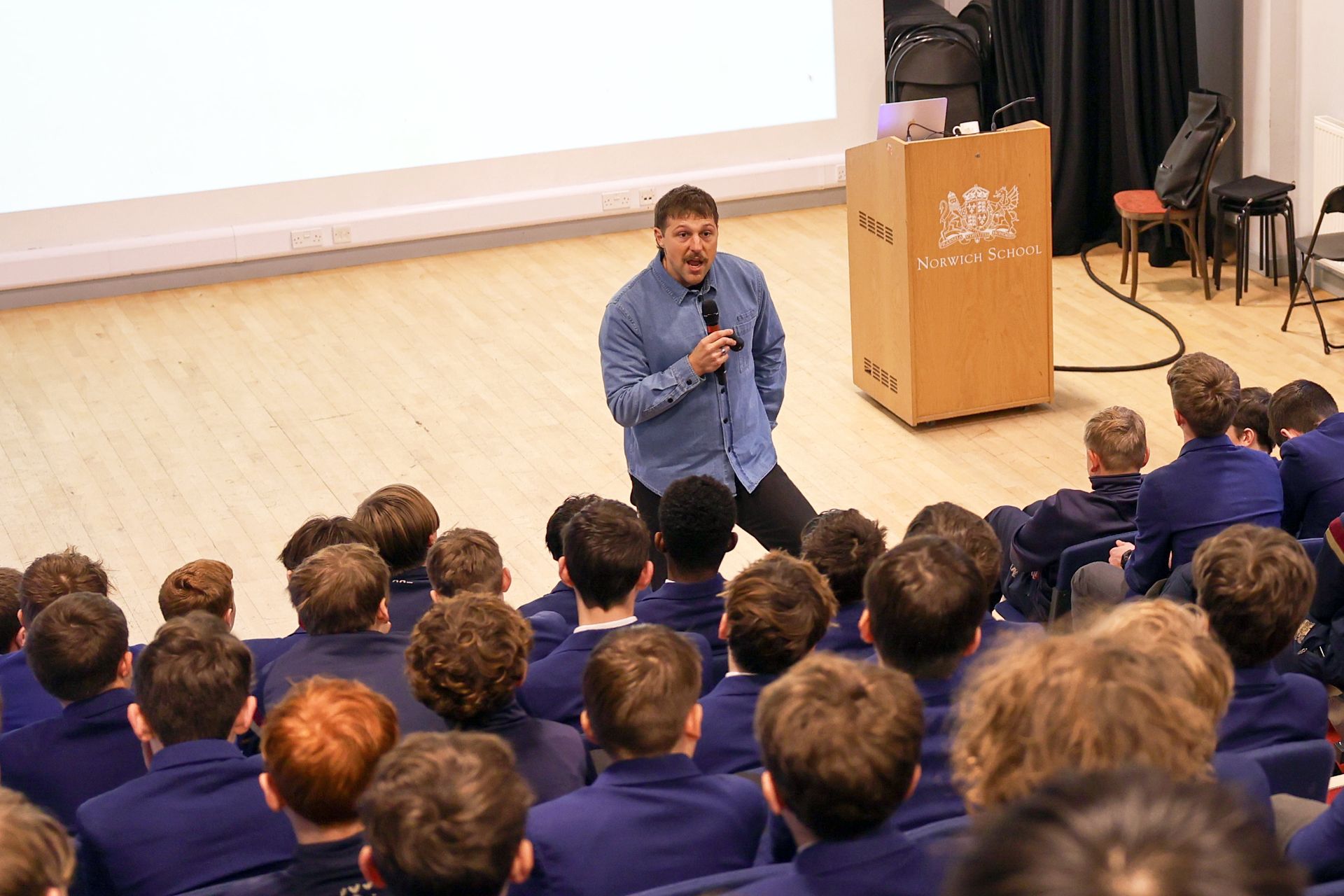
On 19 and 20 January, we welcomed Australian youth advocate and educator, Daniel Principe, who presented to all Senior School boys from Lower 4 to Upper 6 on topics including toxic influences, limiting stereotypes, objectification, relationships and the challenges young men are facing in a world of social media. Inviting participation in his talks, pupils were encouraged to consider and discuss stereotypically taboo subject matters, to advocate for a more open conversation surrounding these topics. Daniel’s journey to becoming a prominent youth advocate was a result of his own early experiences and challenges. He faced significant bullying during his adolescence, leading him to question social norms and seek a path that aligns with his values. His mission to change the way boys socialise and to promote healthy masculinity had pupils considering the unfair stereotypes boys and men face in our culture, specifically through the media. One conversation had pupils thinking about the challenges young people are facing in a world of smartphones and social media. Themes surrounding dopamine addiction, body dissatisfaction, catfishing, and objectification were raised as Daniel encouraged pupils to participate in a ‘digital detox’, providing an opportunity to learn new skills and do things that make you come alive offline. Daniel’s empathetic and open approach resonated with many of our boys and young men. His mission to ‘Challenge culture, Champion Boys’ was truly seen as he approached the sessions with vulnerability and a clear passion for uplifting young men and boys. His honesty, integrity and warmth truly put the wellbeing of boys at the heart of his approach, and we hope that his message is echoed throughout the school community and into the future. 
December 4, 2025
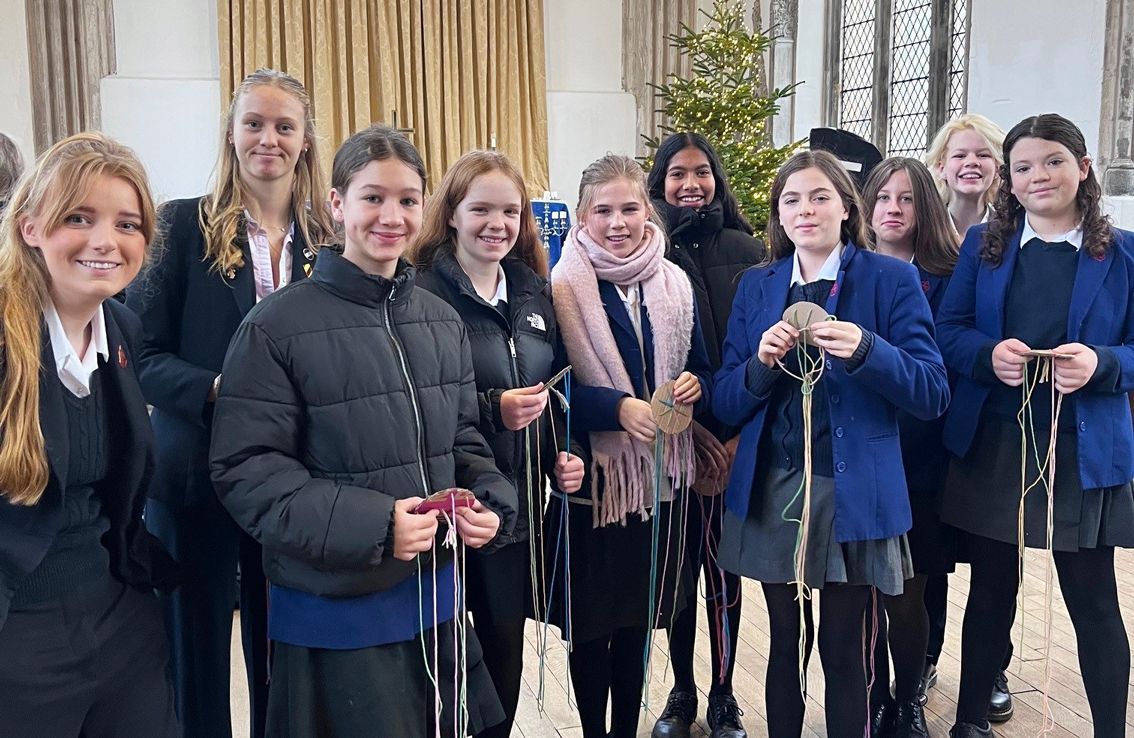
Last week, female pupils from the Fourth Form joined our Upper Sixth volunteers for another successful peer-mentoring session. The group spent time discussing the topic of friendship while making friendship bracelets together, strengthening bonds across year groups in a relaxed and positive environment. This initiative, launched at the end of last academic year, continues to go from strength to strength. Its purpose is to foster female friendship and mentorship, connecting our eldest pupils with younger students and building a supportive sense of sisterhood within the school community. In the coming weeks, the group will vote on an official name for the society, drawing inspiration from a prominent female figure in either the school’s or Norwich’s history.
By Eleanor Lewis • November 28, 2025
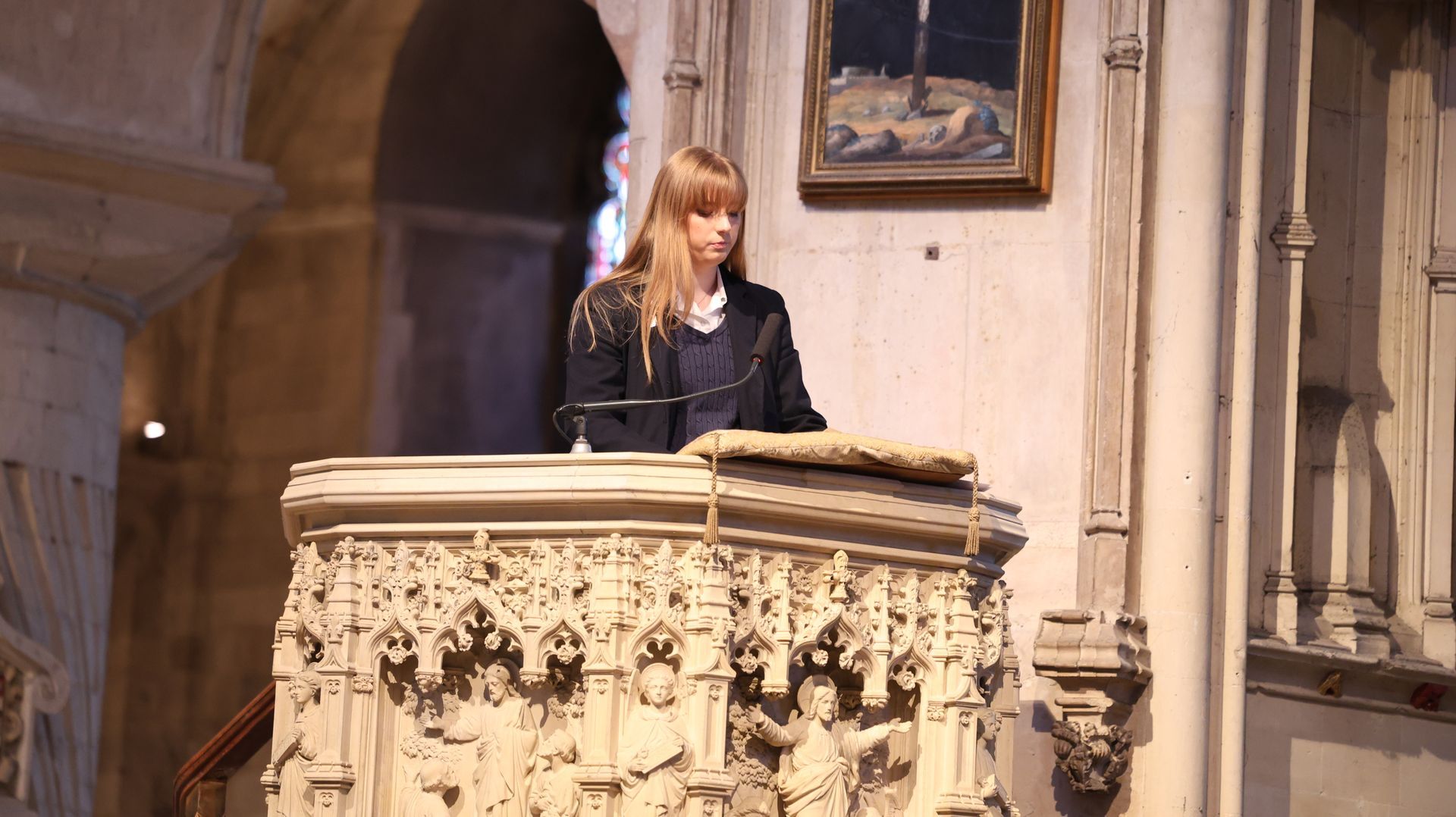
Amber Scott, our Equity, Diversity and Inclusion Officer and Head of Pupil Personal Development, reflects on the importance of co-education in addressing issues faced by girls and young women, and boys and young men in today's society: "Over the past week, two important events have taken place that some may see as being slightly dissonant , International Men’s Day and the UN Day for the Abolition of Violence Against Women. The events fall only six days apart, and this year, Norwich School pupils came together to mark both with a shared, united message. Prefects working on initiatives for boys and young men, and those focusing on girls and young women, collaborated throughout the week, recognising that the issues are not separate or competing, but intertwined with one another. Each year, Norwich School hosts a Reclaim the Night vigil in honour of the UN Day. During the event, pupils share speeches and poetry that call for an end to misogyny and gender-based violence. This year’s vigil saw boys and girls standing side by side, listening and sharing powerful messages around gender equity and challenging misogyny. In the run up to this event, our International Men’s Day assembly highlighted the idea that celebrating masculinity in all its forms also has to involve taking responsibility for the actions of men and building a society where misogyny is always challenged, and a direct call was made for boys and young men to attend the upcoming Reclaim The Night Vigil. This link between events made something very clear, in order to instil lasting cultural change, we need buy in from everyone. When we have boys and girls working together, we acknowledge that Women’s rights cannot advance in a silo, and boys and young men must have space to listen, reflect, and speak up too. The issues facing young women are intrinsically linked with t he pressures facing young men. One cannot be addressed meaningfully without the other. Coalition is key. Co-education makes this coalition tangible. Co-educative spaces are powerful tools for change and growth, empowering girls to speak to their true experiences, and enabling boys to listen and share, without judgement or shame. Shared understanding, shared advocacy, and the recognition that equality is a collective effort is the only way to move forward. When boys and girls learn together, speak together and stand together, the message is stronger and the call for change is louder."

List of services