Welcome to Norwich School Library

At Norwich School, we take great pride in offering an exceptional library experience across our three distinct library spaces, catering to the needs of our diverse pupil body.

Lower School Library

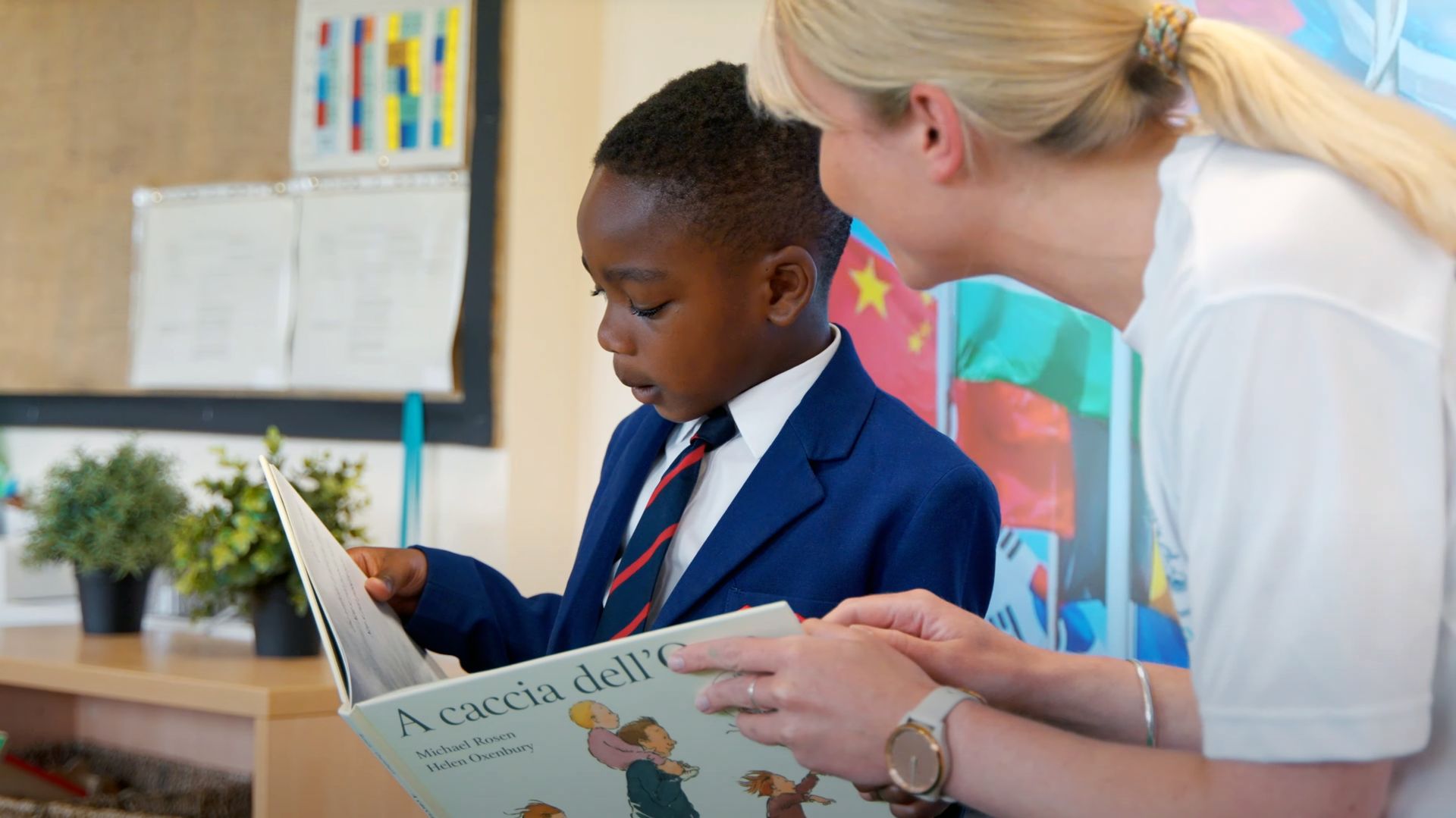
Our Lower School Library is a vibrant and inviting space designed for our youngest pupils. It encompasses cosy reading nooks, storytelling areas, and a large book collection, including picture books, fiction, and non-fiction, suitable for pupils aged 4-11. This library is a place where a love for reading is nurtured from the very start.


Senior School Libraries

In the Senior School, we have two libraries: The Undercroft and the Reynolds Library.


The Undercroft Library

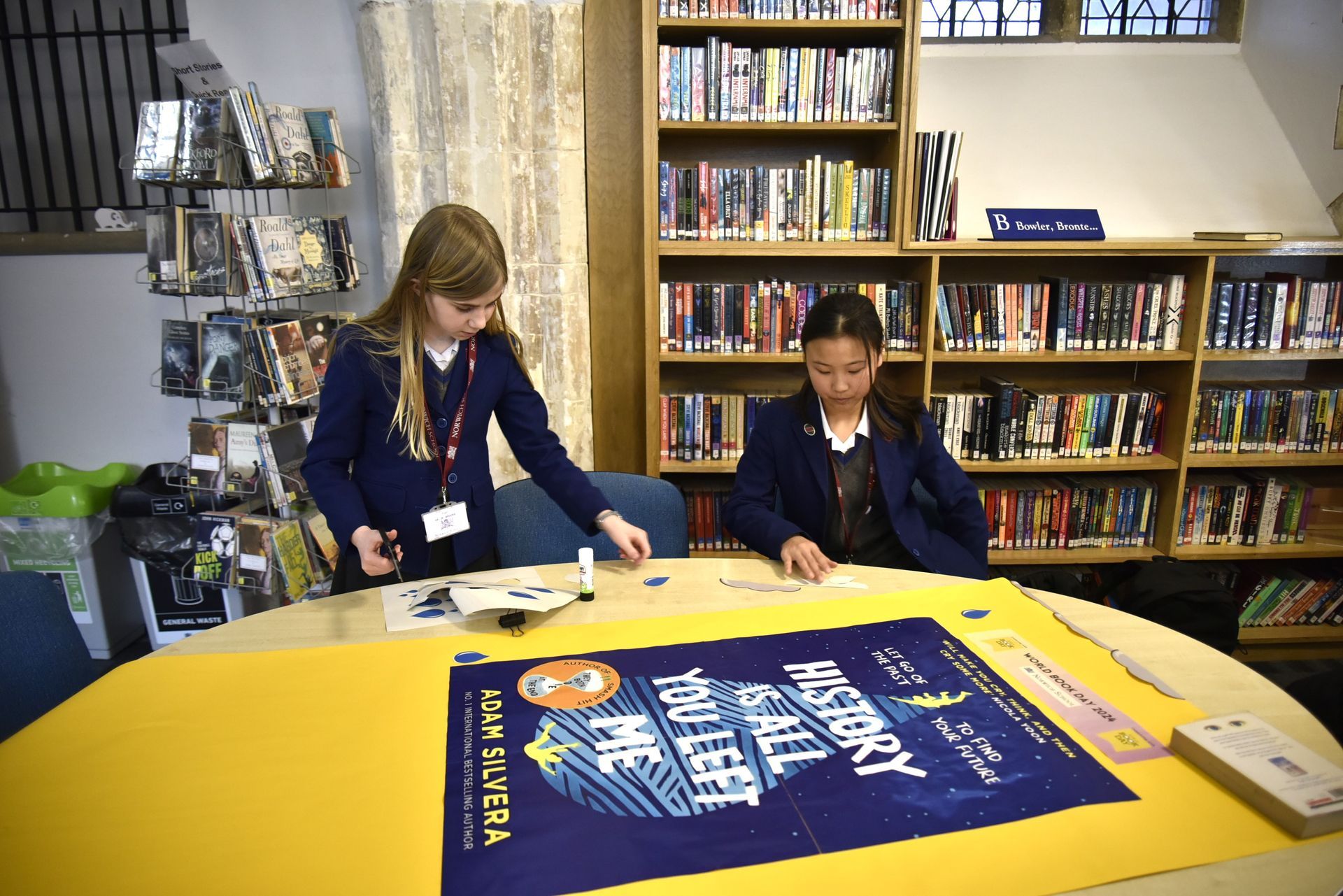
The Undercroft is our dedicated fiction library, located in the atmospheric former cellar of the Bishop's Palace, dating back to the 11th century. This unique setting houses a comprehensive collection of fiction books, and incorporates graphic novels, manga, short story collections, and a range of biographies.


The Reynolds Library

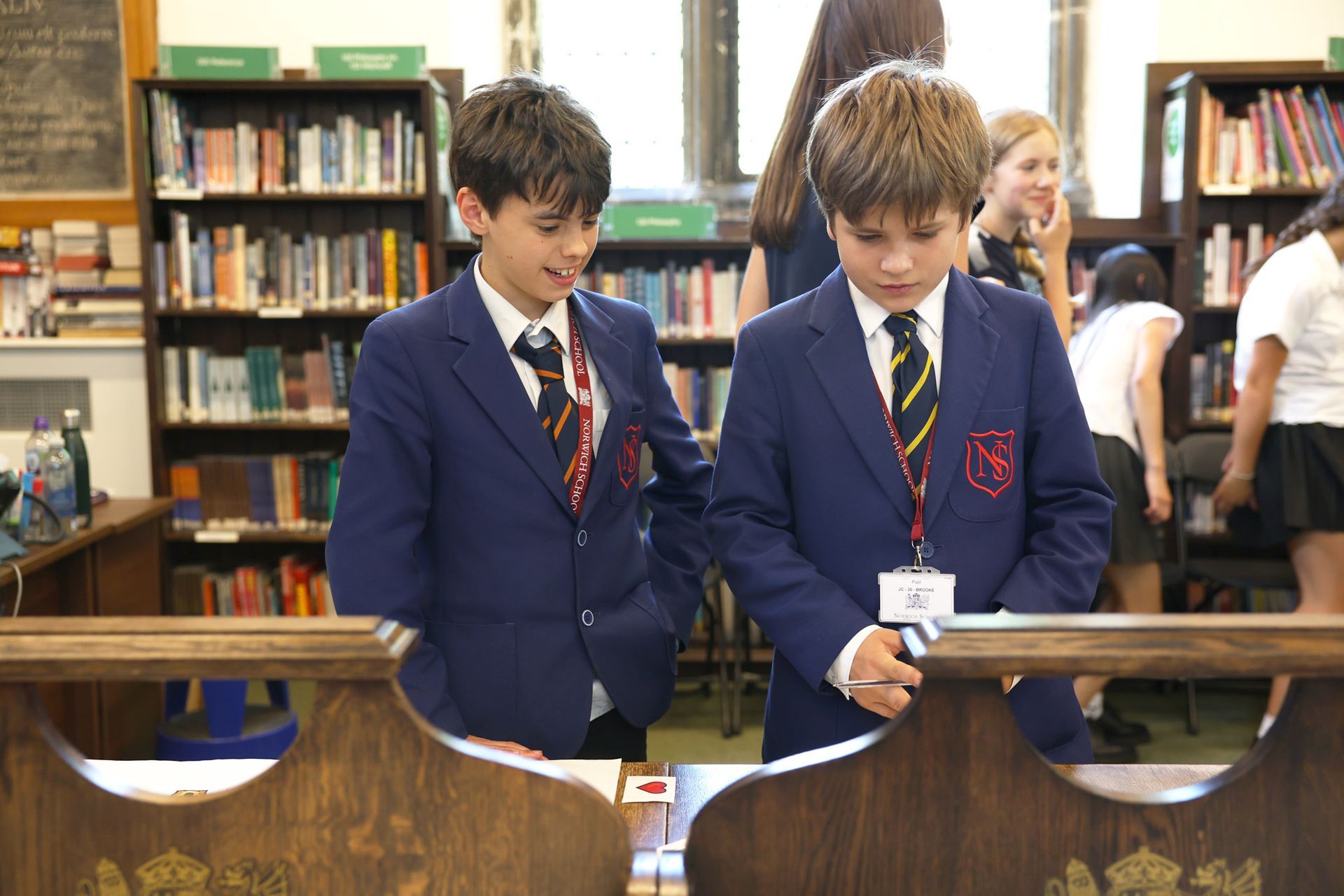
The Reynolds Library, established in the 1660s and 1670s by Bishop Reynolds and used as the private chapel for the Bishops for 400 years, is our non-fiction powerhouse. Here, you’ll find an extensive range of non-fiction materials, organised using the Dewey Decimal Classification system. This library is perfect for research
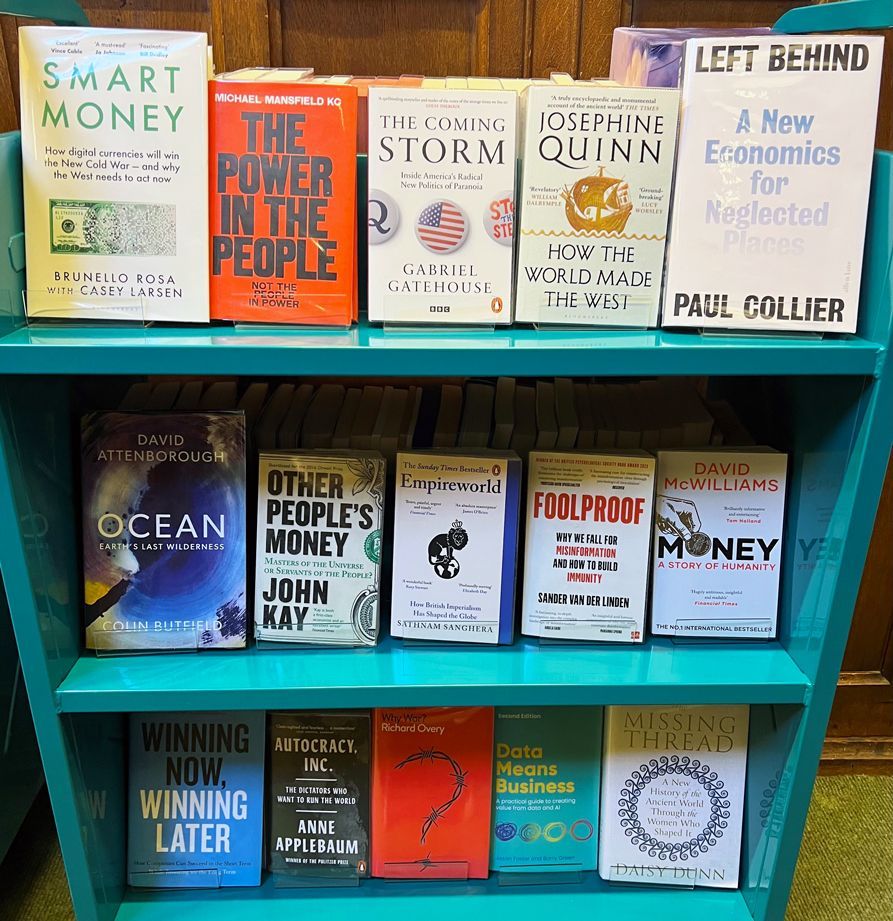
New in for 2025/26

Resources and Borrowing


Across all our libraries, pupils have access to over 20,000 books and a wealth of digital resources, including subscriptions to EBSCO and JSTOR databases, and the Very Short Introduction series.


All new pupils are automatically enrolled in the library and can borrow up to 3 books at a time for a three-week period. With over 2,000 active borrowers and more than 4,000 loans each academic year, our libraries are a bustling hub of learning and discovery.


Opening Hours


  • The Undercroft and Reynolds Libraries: Open from 8.00 am to 5.30 pm.
  • Lower School Library: Opening times to be confirmed.


Our libraries are more than just places to find books—they form an integral part of our school community where pupils can explore, learn, and grow.

Recommended Books from Norwich School Pupils:

  • Senior School

    Heartstopper by Alice Oseman

    Gone by Michael Grant

    Cream buns and Crime by Robin Stevens

    Not here to be liked by Michelle Quach

    Resist by Tom Palmer

    The fights that make us by Sarah Hagger-Holt

    I am Number Four by Pittacus Lore

    Pony by R J Palacio

    The Hobbit by J R R Tolkien

    Rollercoaster Boy by Lisa Williams

    The Body in the Blitz by Robin Stevens

    Happyhead by Josh Silver

    The Opal Deception by Eoin Colfer

    The Parent Agency by David Baddiel

    Flamingo Boy by Michael Morpurgo

    Toffee by Sarah Crossan

    The Maze Runner by James Dashner

    Rise of the School of Good and Evil by Soman Chainani

    The Last Nazi by Andrew Turpin

    Mutant Rising by Steve Feasey

  • Lower School

    Horrid Henry and Moody Margaret by Francesca Simon

    The Tiger Who Came to Tea by Judith Kerr

    The Owl who was Afraid of the Dark by Jill Tomlinson

    Don't be Horrid, Henry by Francesca Simon

    Puzzle for the Secret Seven by Enid Blyton

    Spy Dog: Rollercoaster by Andrew Cope

    Marcy and the Riddle of the Sphinx by Joe Todd Stanton

    Rosie the Perfect Pony by Pippa Funnell

    You can't make me go to Witch School by Em Lynas

    The Magician's Nephew by C S Lewis


Latest News
By Eleanor Lewis July 2, 2026
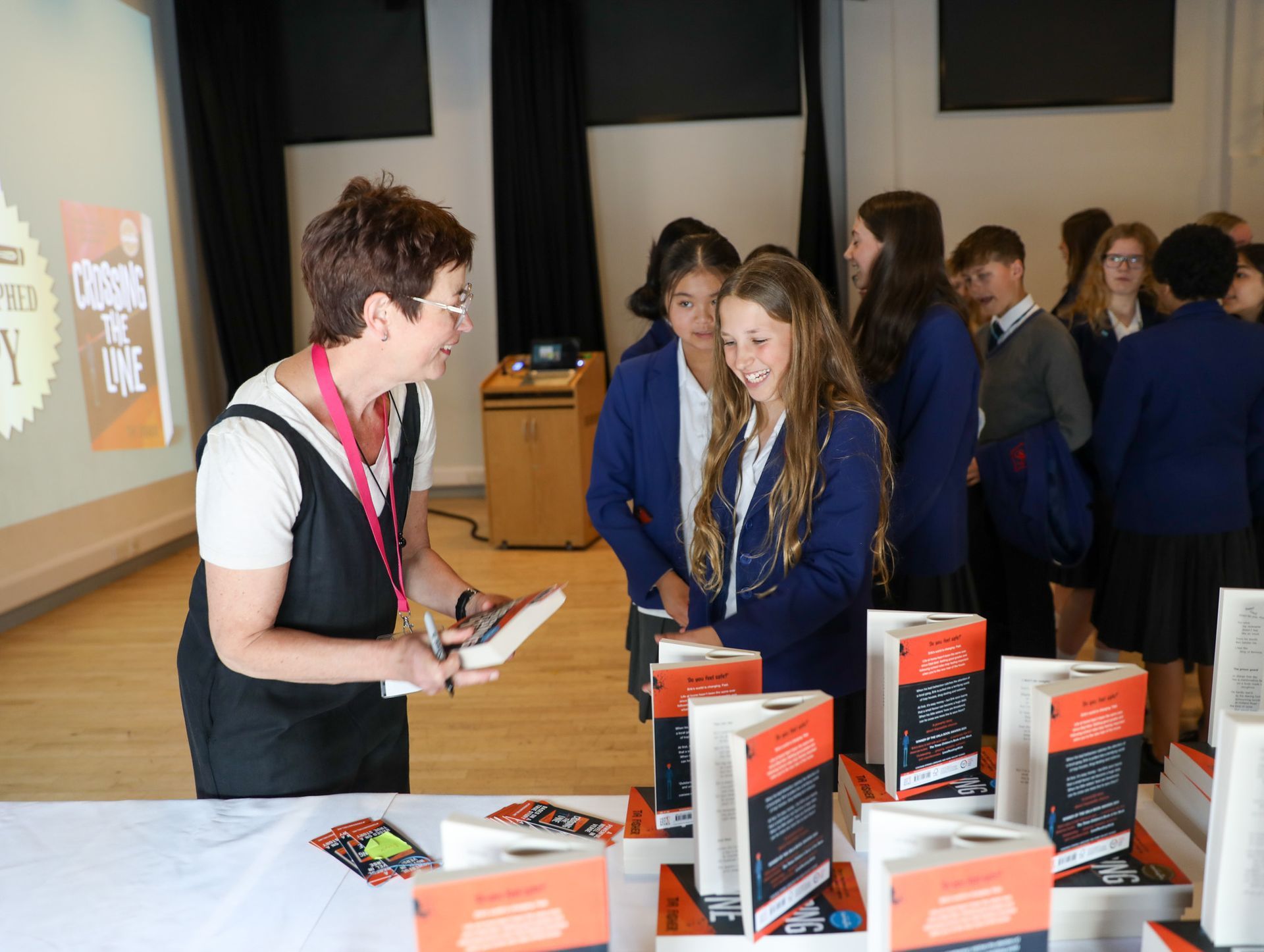
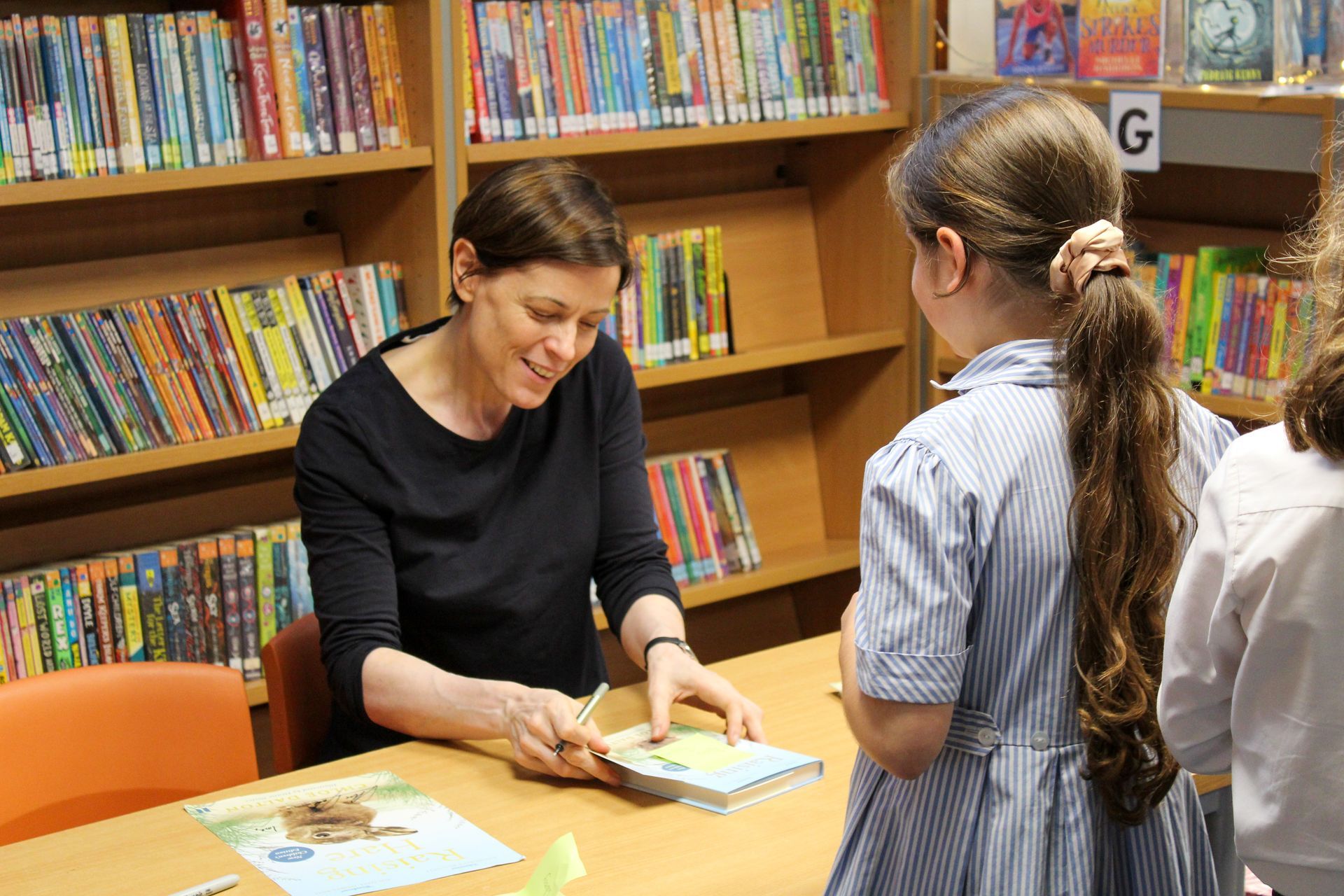
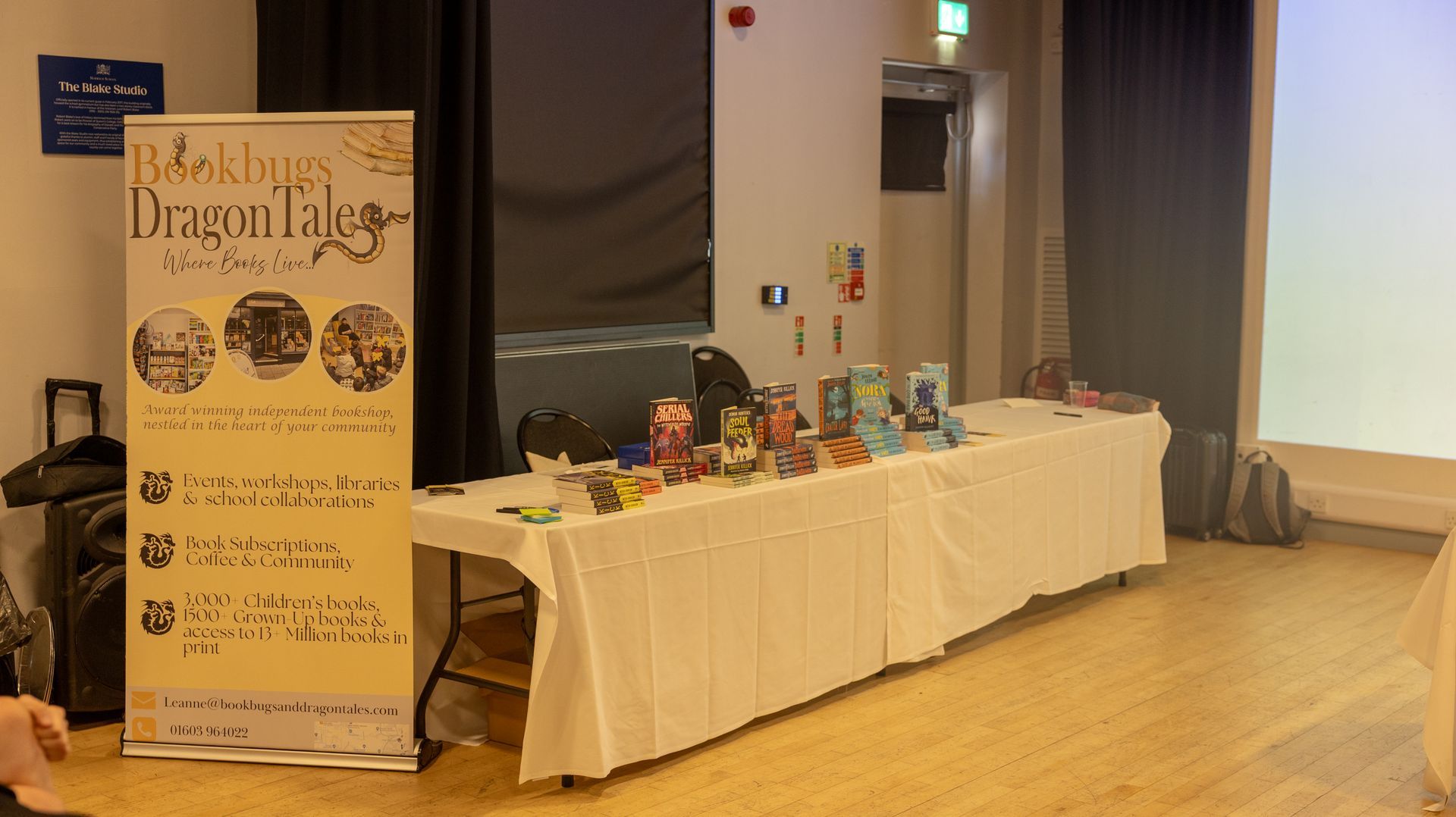
All of Lower Four, joined by visiting pupils from four local schools, enjoyed an inspiring day of storytelling as three award-winning authors visited to talk about their books, their journeys into writing, and the process of bringing a story to the page. Mitch Johnson kicked things off with a look at his novels Strike and Kick; two books that look like they're simply about football, but that actually dig much deeper, exploring the origins of the clothes we wear and shining a light on exploitative working conditions around the world. Pupils threw themselves into a lively challenge, racing to assemble a pair of football boots (studs and laces included), before learning about the realities faced by workers in sweatshops. It was a thought-provoking way to bring the book's themes to life. Next, Joseph Elliott talked about his career as a television actor and how he became a writer. He shared insights into the writing process, from the multiple redrafts and edits through to the all-important decision of choosing a book cover. He read an exciting extract from The Good Hawk, the first book in his Shadow Skye trilogy, and ran an interactive session that had pupils fully engaged throughout. Rounding off the day, Jennifer Killick spoke about her love of scary stories and how she found her niche blending horror with comedy. Pupils tested their instincts in a game guessing which unusual animal facts were real and which she'd invented, and again there were lots of interactive aspects to her talk, including a home-made life-size giant tapeworm soft toy and a horror-themed twist on rock/paper/scissors. There was a real buzz about books all day, with independent bookseller BookBugs and Dragon Tales on hand so pupils could buy copies and get them signed by the authors. It was a busy, fun and inspiring day for all who took part! 
By Eleanor Lewis June 26, 2026
2026 is National Year of Reading and we are going all in here at Norwich School! We know reading expands worlds, sharpens minds, and fuels creativity, so let's get inspired! Every month we are focusing on a different genre and hearing from a member of staff about what they like to read, why, when and where! Next up, as it is pride month we have LGBTQ+ Fiction for June and a big reader of this genre, Eleanor Lewis, Multimedia Marketing Officer, is going to tell us a bit about why she loves this genre. Tell us a little bit about the genre; what common themes or elements do you particularly enjoy? With LGBTQ+ Fiction it is quite challenging to define it as a genre as it can span a wide-range of genres such as science fiction, historical fiction, fantasy and more. I particularly enjoy when LGBTQ+ Fiction isn't only centred around LGBTQ+ issues and themes, Madeline Miller's The Song of Achilles was a perfect example of this for me, as it combines LGBTQ+ characters in mythological tales where the character's identity is important to the story, but not the only driving force. What was the book that introduced you to LGBTQ+ Fiction? Was there a particular book or author that made you fall in love with this genre? Reading books with LGBTQ+ characters in my teen years definitely encouraged my love of reading especially Adam Silver's books History is All You Left Me and They Both Die at the End. Reading characters that I could relate to definitely made reading a lot more enjoyable for me. I would say that the book that brought me back into reading more LGBTQ+ Fiction as an adult would be Taylor Jenkins Reid's The Seven Husbands of Evelyn Hugo . It is a very popular book and for good reason, the historical drama set in the Golden Age of Hollywood with an LGBTQ+ character at the centre. I think that this was one of the first times I encountered an openly LGBTQ+ woman in fiction and I found the love story to be so beautifully written and compelling. Has your taste in this genre changed over time? Definitely! As I grew up my taste naturally changed and especially during my time at University. On my course I encountered a variety of work including the less contemporary pieces such as The Well of Loneliness by Radclyffe Hall and Trumpet by Jackie Kay, both of which explored gender identity, particularly in times where it was even more challenging to be a transgender or gender non-conforming individual. I think that my favourite book now is definitely Hot Milk by Deborah Levy, it is a contemporary novel mostly surrounding a complicated mother/daughter relationship but also an LGBTQ+ awakening for the daughter, although the novel doesn't centre on this I think it is a brilliant example of LGBTQ+ Fiction that centralises LGBTQ+ characters but isn't only about LGBTQ+ issues. Would you recommend this genre to someone who doesn’t usually read it? Why? Absolutely and you probably have read it without intending to. A lot of books now, a lot more than when I was younger, feature LGBTQ+ characters. It used to be quite a challenge to find books that don't only have the 'token' LGBTQ+ characters but now there are plenty more options. What do you enjoy most about reading, whether LGBTQ+ Fiction or anything else? I love getting lost in a book and losing track of the time, it's very special to find a book that does that. I also really enjoy it when a book makes me think critically, I can end up getting a bit lost in research and analysis, probably because of my English undergrad days! When and where is your favourite time and place to read? / Do you have a favourite reading spot or routine for diving into books? I don't read half as much as I would like to, especially this time of year! I would say I really enjoy reading in bed but another great reading spot is in my conservatory with an iced coffee! The best time to read is definitely on holiday - especially when it is sunny! Which fictional character would you most like to have a cup of tea with? This is a tricky one but from this genre I would say Evelyn Hugo. Click here for the monthly Reading List!
By Eleanor Lewis June 19, 2026
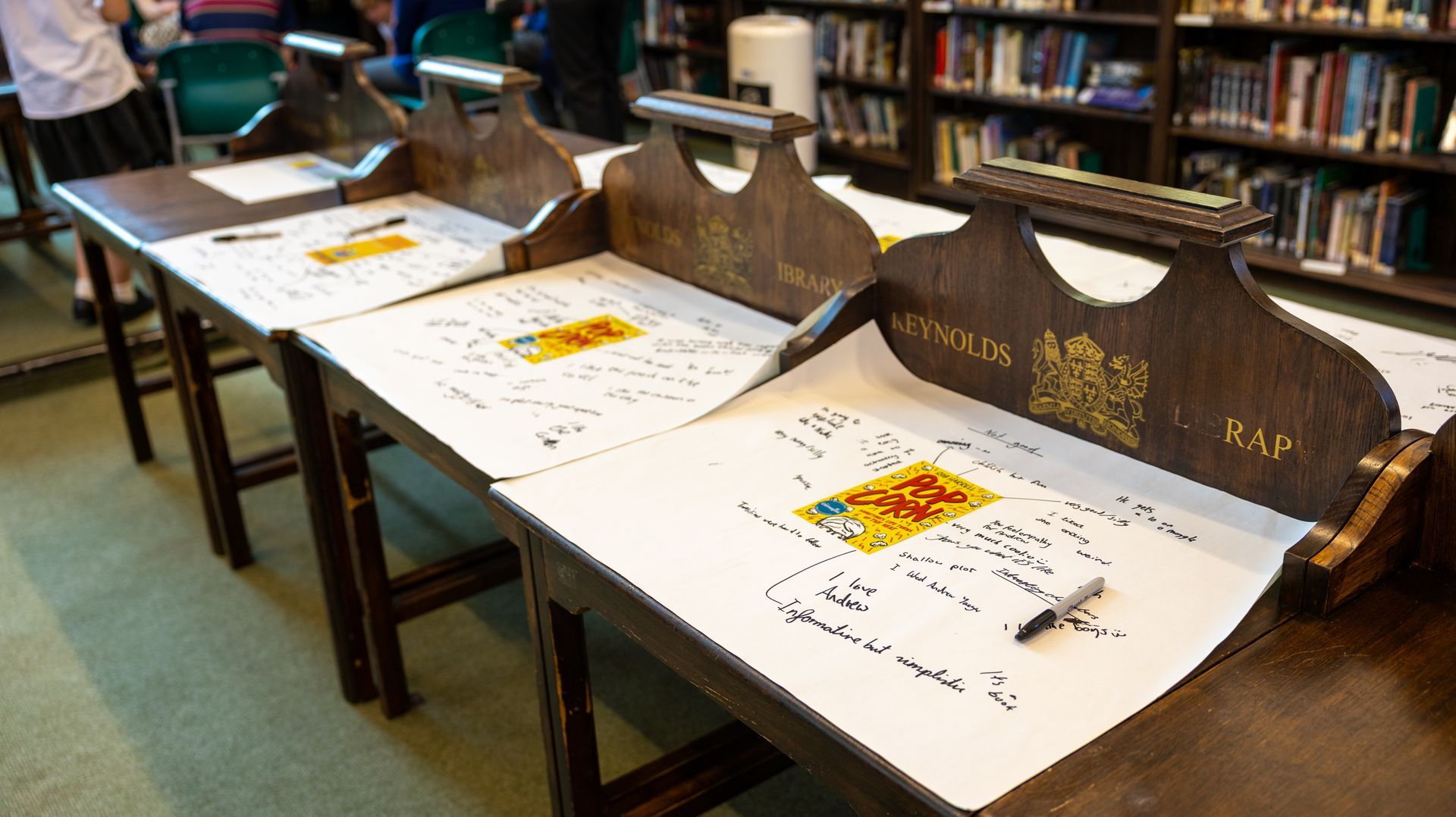
After shadowing the Carnegie Medal for Writing judging process since Easter as part of their Wollow lessons, the entire Upper Four cohort came together for a morning of discussion and debate about this year's shortlisted titles. There was a real buzz about reading as pupils shared their opinions in small groups, comparing favourite characters, discussing themes and debating which books they felt deserved to win. The conversations reflected a wide range of views, with pupils offering thoughtful perspectives on the quality of the shortlisted books. It was encouraging to see them engaging confidently and supporting their opinions with evidence from their reading. Staff from across the school also joined the discussions, including colleagues from History, Music, Art and Learning Support. Their involvement helped to model reading for pleasure and demonstrated that books can be a shared interest across the whole school community. Following the discussions, pupils cast their votes for their favourite title. Upper Four selected Chronicles of a Lizard Nobody by Patrick Ness as their overall winner. A few days later, the official Carnegie Medal results were announced, with both the judges' winner and the Shadowers' Choice Award going to Wolf Siren by Beth O'Brien. The event provided a valuable opportunity for the whole year group to come together to celebrate reading, exchange ideas and reflect on a shared reading experience.
By Eleanor Lewis June 1, 2026
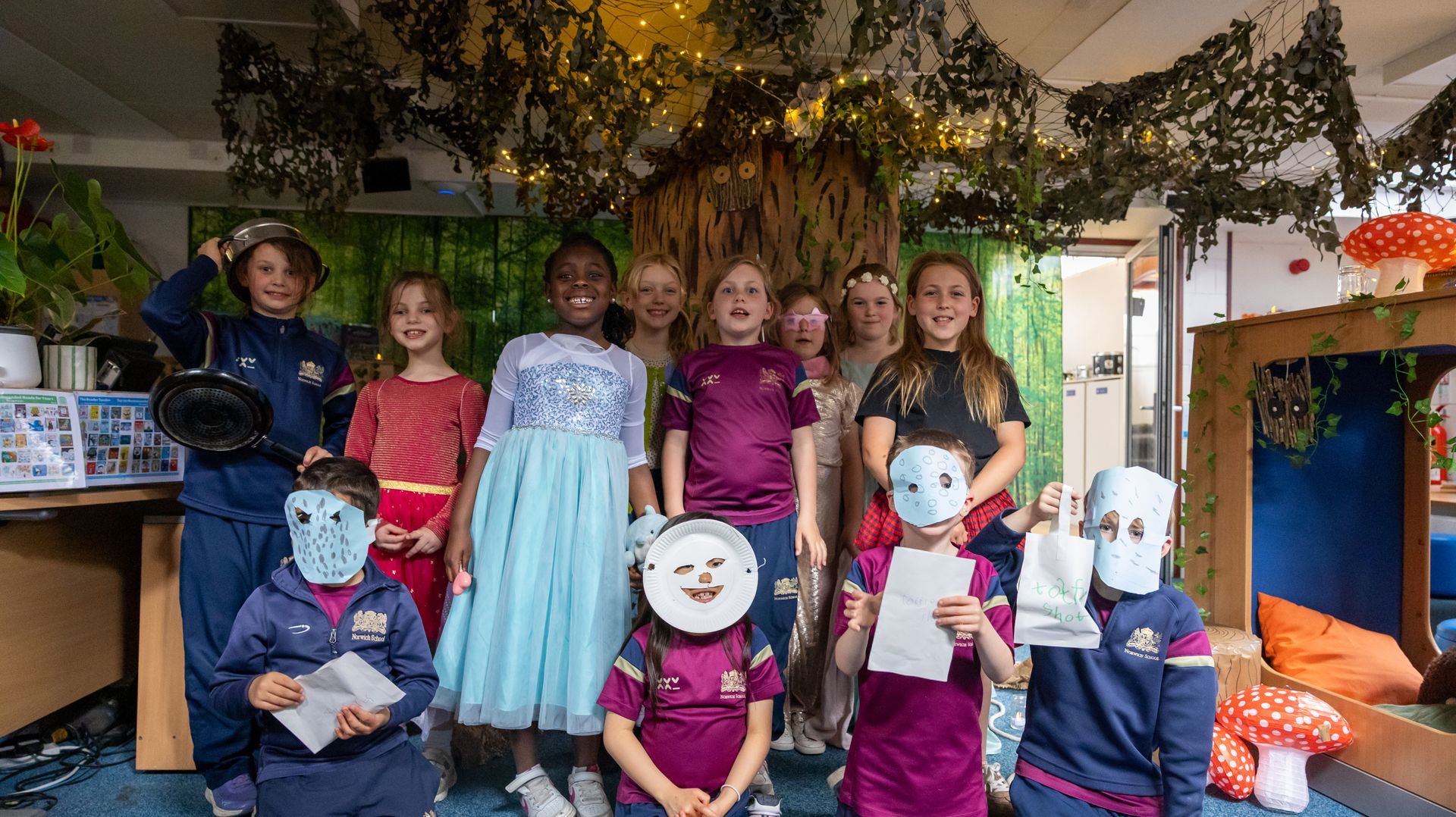
The Lower School library was transformed last week into an enchanted wood as Upper 1- Upper 2 pupils stepped into the pages of The Faraway Tree and enjoyed a magical after‑school adventure. Children arrived dressed as their favourite characters — from Moon‑Face to Silky the Fairy — ready to climb into a world of imagination and wonder. The journey began at the foot of the Faraway Tree, where pupils tip‑toed past the Angry Pixie, and were careful not to get splashed by Dame Washalot’s famously dirty water. From there, they travelled through a series of whimsical lands at the top of the tree, each offering a hands‑on activity inspired by Enid Blyton’s beloved stories. In the Land of Goodies, pupils decorated tree shaped biscuits with icing and sprinkles. The Land of Birthdays invited everyone to make a special wish and create their own crown, and finally, children designed their own fairy doors for the magical creatures they imagined living inside the Faraway Tree.  The event ended in the Land of Goodies with pupils eating their biscuits and having a drink of fruit punch. It was a joyful celebration of creativity, reading and childhood imagination and this adventure will hopefully inspire many more children to read these wonderful books.
By Eleanor Lewis May 29, 2026
2026 is National Year of Reading and we are going all in here at Norwich School! We know reading expands worlds, sharpens minds, and fuels creativity, so let's get inspired! Every month we are focusing on a different genre and hearing from a member of staff about what they like to read, why, when and where! May is Sci-Fi month and we’ve turned to Joel Newman, who’s a big Sci-Fi fan. Let's find out more about why Mr Newman loves the fantasy genre... Tell us a little bit about the genre; what common themes or elements do you particularly enjoy? I love Sci-Fi stories with a focus on worldbuilding and setting – science fiction allows authors to be so creative with things we often take for granted in real life. If a story features aliens or space, I will always judge it based on how interesting or complex the author makes things like the alien’s language and biology – the weirder the better – or how beautiful a picture of space they can paint with just words. What was the book that introduced you to Sci-Fi? Was there a particular book or author that made you fall in love with this genre? I love The Hitchhikers Guide To The Galaxy series by Douglas Adams, it has the perfect blend of absurd funny moments and interesting concepts that really fed my imagination as a child. Some of my absolute favourites are Andy Weir’s Project Hail Mary and The Martian: Weir’s enthusiasm for physics and real-life science makes his fiction very immersive. Has your taste in this genre changed over time? My taste in Sci-Fi has changed as I’ve studied science more and more – I won’t settle for a poorly explained spaceship anymore – but I still love the same weirdness that first made the genre so appealing to me. Would you recommend this genre to someone who doesn’t usually read it? Why? Absolutely. Reading Sci-Fi makes you more curious about the world around you, and curious is one of the best things to be. If you’ve never read sci-fi but you like reading, I think it’s the perfect genre to get those creative juices flowing because it gives the idea that anything is possible! What do you enjoy most about reading, whether Sci-Fi or anything else? Reading is the best way to relax. If there’s ever anything worrying me or stressing me out, getting lost in a book for half an hour is always enough to put me in the right headspace to take on the day. When and where is your favourite time and place to read?/ Do you have a favourite reading spot or routine for diving into books? I like to read in bed: it’s warm, comfortable, and no one’s going to interrupt me. I can’t think of a more perfect time to read than before you sleep. Click here for the monthly Reading List!
By Eleanor Lewis April 30, 2026
2026 is National Year of Reading and we are going all in here at Norwich School! We know reading expands worlds, sharpens minds, and fuels creativity, so let's get inspired! Every month we are focusing on a different genre and hearing from a member of staff about what they like to read, why, when and where! Next up we have Crime Fiction for April and a huge fan of this genre, Gillian Wright, Lower School Teacher, is going to tell us a bit about why she loves Crime Fiction so much! Tell us a little bit about the genre; what common themes or elements do you particularly enjoy? I enjoy delving into stories that revolve around secret missions, missing persons, or even a mysterious killer. The suspense, unexpected twists, and deductive reasoning keep me eagerly turning pages until the inevitable surprise ending. These books are often packed with action and clever plotlines that keep readers guessing right up to the final chapter. The most thought-provoking stories are those rooted in real-life situations that readers can relate to, such as The London Eye Mystery by Siobhan Dowd. I also enjoy books that take me out of my comfort zone and offer different perspectives on the world, for example T he Hunger Games by Suzanne Collins. What was the book that introduced you to crime fiction? Was there a particular book or author that made you fall in love with this genre? The book that first sparked my interest in reading was James and the Giant Peach by Roald Dahl. Although it is not a classic crime novel, it is certainly an exciting and mysterious adventure. Aunt Sponge and Aunt Spiker clearly display some questionable—if not criminal—behaviour. I suppose my first real exposure to crime fiction came through The Famous Five adventures by Enid Blyton. I loved seeing how a group of children worked together to solve mysteries without any adult help. From that point on, I have always been drawn to stories filled with adventure, mystery, and unexpected twists. I also enjoy a touch of dark humour, which is why I thoroughly enjoyed A Series of Unfortunate Events by Lemony Snicket. The books are grim, funny, and strangely addictive. Has your taste in this genre changed over time? No, my taste for crime novels has not changed. Although I do enjoy a good historical novel, I will always return to mysteries and crime as they provide intrigue, twists and those quiet ‘aha’ moments. Most recently, I have enjoyed The Thursday Murder Club mysteries by Richard Osman. Would you recommend this genre to someone who doesn’t usually read it? Why? There is something timeless about a good mystery. It isn’t just about solving crimes or catching the villain; it’s about asking questions, noticing subtle details, and thinking more deeply. In a world dominated by quick scrolling and short attention spans, mystery novels remind us that it’s okay to slow down, immerse ourselves in a story, and truly pay attention. What do you enjoy most about reading, whether crime fiction or anything else? Reading is essential to me; it allows me to step away from the busyness of everyday life and escape into magical and mysterious worlds, while also enabling me to explore new perspectives. Books have the power to evoke a wide range of emotions, from joy and excitement to sadness and tension. I love immersing myself in a new story—being drawn along with the characters, seeing the world through their eyes, and allowing the words to take me on a journey. When and where is your favourite time and place to read?/ Do you have a favourite reading spot or routine for diving into books? I read every night before I go to sleep, as it helps me wind down after a busy day and fully relax. On sunny days, I especially enjoy reading outdoors, whether that’s in the garden or by the pool while on holiday. Which fictional character would you most like to have a cup of tea with? I would love to share a cup of tea with Willy Wonka, as he would likely provide an unusual combination of flavours—perhaps even with a side order of chocolate. Do you tend to reread favourites from this genre or always look for something new? I don’t usually re-read books, although I have returned to Roald Dahl’s stories time and again—mainly to allow my children to experience the joy of his imaginative and magical tales. When was the last time a book from this genre really surprised you? The essence of a good crime or mystery novel is its ability to surprise the reader, and they never fail to leave me guessing. I have never yet managed to work out the final twist of a truly good crime novel. Do you prefer classic or modern books within this genre, and why? I enjoy both. A classic tale by Agatha Christie or a mystery involving Sherlock Holmes is always enjoyable. However, more recent authors, particularly for children, have created some new classics, such as the Alex Rider series by Anthony Horowitz or Murder Most Unladylike by Robin Stevens. Has your taste in books changed over the years? I used to enjoy reading the classics including books by Thomas Hardy and EM Forster. Nowadays, I prefer a lighter read intermingled with more challenging stories. I am always up for a good book recommendation. Why do you think reading is important? Reading for enjoyment can spark the imagination, provide an escape, and inspire creativity. It offers a way to discover new worlds, meet new characters, and learn about the past. Above all, it is an easy, enjoyable, and relaxing way to spend time. If you could step into the world of any book, which would it be and why? If I could step into the world of any book, it would probably be Harry Potter . The incredible creatures, magical adventures, friendships and rivalries, along with the mysteries waiting to be solved, all combine to make these stories so captivating. I would love to try my hand at a few magic spells myself. Having visited the Warner Bros. Studio where Harry Potter was filmed, it was amazing to see the sets and costumes used by the characters. It truly brought the stories to life and felt like a real privilege Click here to see the monthly Reading List!
By Eleanor Lewis March 31, 2026
2026 is National Year of Reading and we are going all in here at Norwich School! We know reading expands worlds, sharpens minds, and fuels creativity, so let's get inspired! Every month we are focusing on a different genre and hearing from a member of staff about what they like to read, why, when and where! This March it’s Classics and let’s find out why our Librarian, Deborah Goodwin, loves the classics... Tell us a little bit about the genre; what common themes or elements do you particularly enjoy? The definition of a classic can feel a bit slippery sometimes, but most people would agree on a few things. It needs to be well written, and it needs to have stood the test of time — enjoyed by and relevant to multiple generations, not just a bestseller. They tend to deal with universal themes like love, loss, or just what it means to be human, which is why you can pick up something written hundreds of years ago and still completely relate to it. The term "Modern classic" usually means post-World War II, but even then, a book needs to have proven itself over time before it earns the label. Personally, I'm drawn to epic stories — ones that follow a character over years, watching their life unfold. I love getting engrossed in someone else’s life. What was the book that introduced you to the classics? Was there a particular book or author that made you fall in love with this genre? As a teenager I read things like The Catcher in the Rye , The Great Gatsby , Animal Farm , and The Diary of Anne Frank . There wasn't as much Young Adult fiction around back then, so I'd raid my parents' bookshelves or borrow from the library. The Catcher in the Rye is probably the one that made me fall in love with reading — I've gone back to lots of times since my teens, which is saying something as I'm not usually a re-reader. Has your taste in this genre changed over time? Definitely. I've read a fair bit of war literature — Birdsong , Slaughterhouse-Five , War and Peace , and after that, all the balls and courtships in the classic drawing-room fiction started feeling a bit frivolous in comparison. I still appreciate them, but these days I'm more drawn to big, sweeping epics like Les Misérables , Anna Karenina , or Middlesex by Jeffrey Eugenides. I’m happiest with something that spans generations or continents. Would you recommend this genre to someone who doesn’t usually read it? Why? Absolutely — but I'd choose carefully depending on the person! Fantasy fans might love T he Hitchhiker's Guide to the Galaxy , teens into dystopian fiction would probably enjoy Lord of the Flies , and mystery lovers are almost always won over by Agatha Christie. The language can feel like a barrier at first, especially if you're used to modern fiction, so starting with something accessible really helps shake off the idea that classics are somehow hard work. What do you enjoy most about reading, whether classics or anything else? Honestly? Switching off. Leaving real life behind for a bit and slowing down to the pace of a book. I've experienced so many different lives through reading, put myself in the shoes of people I'd never otherwise have encountered, and I think that's genuinely changed how I see the world. When and where is your favourite time and place to read?/ Do you have a favourite reading spot or routine for diving into books? I'll read anywhere I can grab a few minutes — waiting rooms, trains, park benches, cafés. But if I'm being honest, nothing beats being at home in front of the fire with a book, a cup of tea and a slice of cake. Very unglamorous, but there it is! Which fictional character would you most like to have a cup of tea with? That’s a difficult one! Someone who would make me laugh, I think. Probably Charles Pooter from The Diary of a Nobody ; he’s pompous and accident-prone but he tries hard and means well. I think I’d enjoy his company. The book was published in 1892 and it's still funny. I'd love to have a cup of tea with him and let him tell me all about his latest home improvement disaster. Why do you think reading is important? I think reading builds empathy in a way that's hard to replicate. We're absolutely surrounded by information these days, but there's a big difference between knowing something and truly engaging with it. A book pulls you in completely, whether the world is real or imagined, and somehow makes other people's experiences feel personal in a way that a TikTok never quite can. Click here to see the monthly Reading List!
By Eleanor Lewis March 8, 2026
In today’s Sunday Times (8 March, 2026), Andrew Marr describes his love of literature: “it has given me a reliable friend, always there, always surprising, for almost half a century.” His own love of reading was born in his childhood, as for so many of us; but this love of reading is waning amongst children nationally. In June 2025 the National Literacy Trust found “just 1 in 3 (32.7%) children and young people aged 8 to 18 said that they enjoyed reading in their free time in 2025. This marks a 36% decrease in reading enjoyment levels since we started asking about this in 2005.” Of course, this has repercussions academically for pupils; but as well as this, as Andrew Marr is saying, something even greater (if perhaps less directly measurable) may be lost too. Katherine Rundell, the children’s author, comments “if there is a silver bullet for ordinary, everyday childhood happiness, it is reading for pleasure. Children read for joy; for jokes they can steal; to have anchors in turbulent water and company when they hide silently behind the bins at break; to find friendship and respect when it’s not on offer elsewhere; and to become empowered within their own thoughtfulness when the world otherwise renders them powerless. Reading for pleasure promotes academic confidence; it has been shown, over and over, to be a key predictor of a child’s future economic success. And it unlocks us. Kafka wrote that certain books “seem like a key to unfamiliar rooms in one’s own castle”.” As an aside, I also recommend for us, as parents, Katherine Rundell’s published essay ‘Why you should read children’s books, even though you are so old and wise’. I have always loved reading too. Most recently I have finished ‘The Correspondent’ by Virginia Evans (brilliant premise: a story told just through some of the letters sent and received by the protagonist, but utterly devastating) and ‘Blank Canvas’ by ON Grace Murray (brilliant too: I could hardly bear to witness the inevitable unravelling of her protagonist’s big lie). Both authors did what so many others have done for me in the past: enabled me to walk with other people, often very different to myself, for a while. I feel sympathy with them when they make mistakes, and this has taught me to be kinder to myself when I inevitably make them too. The countless characters, fictional and real, I have walked with through my reading in the past four decades have given me a much bigger sense of perspective and greater compassion for myself and others. Sophie Ratcliffe, Professor of Literature and Creative Criticism at the University of Oxford says “You don’t need to be a writer or an actor or a lover to dream a second life, an unlived life… Every reader does it. In the moment we touch the cover, a second world emerges… With every story we turn the page for, we turn to feel the weight of the unlived life, the other ways we might have gone, or loved, or died.” I am an optimist and do not believe the trend the National Literacy Trust has found in the last two decades will continue (and here I diverge from James Marriott who is releasing a book later this year ‘The New Dark Ages: The End of Reading and the Dawn of a Post-Literate Society’ ). I think that human interactions, including those via human-written word, will become of increasing value with the dawn of AI. I realise that this optimism will need to be partnered with action though. At Norwich School we have avid readers in the Lower School, encouraged by their wonderful staff and all of the magical activities such as the ‘Harry Potter Book Night’. Like everywhere else, this enthusiasm wanes in the Senior School, but we should not resign ourselves to this. On top of other excellent initiatives already in place we intend, from this September, to more explicitly embed reading (for fun, of whatever they choose, supported by lots of suggestions and structure) into the homework timetable for our Fourth Form. We all need a good night’s sleep in order to work well at school the next day and what better habits could we, as parents, instil in our children than encouraging them to turn off screens by, say, 9.30pm and to read in bed shortly afterwards? We can easily imagine the many reasons for the decline in children reading, but let’s finish as we began with Andrew Marr’s reflections on the longevity of reading a good book in comparison to these other distractions: “A way to test this is by comparing regular reading of books with the addictive algorithms provided by the social media platforms. These are clever … But as soon as I throw the phone to one side, the tiny films are gone again, as sustaining for life as a salty snack. The great novels remain. They smoulder and glow. They reverberate. They remain, across most of a lifetime, my secret garden.”
By Eleanor Lewis January 31, 2026
2026 is National Year of Reading and we are going all in here at Norwich School! We know reading expands worlds, sharpens minds, and fuels creativity, so let's get inspired! Every month we are focusing on a different genre and hearing from a member of staff about what they like to read, why, when and where! We are kicking off in January with Historical Fiction and one of the school's biggest fans of this genre has to be Mrs Morgan. Let's find out more about why Mrs Morgan loves historical fiction... Tell us a little bit about the genre; what common themes or elements do you particularly enjoy? I love the characters who reflect the beliefs, limitations and social pressures of their era. Stories that weave real historical events with imaginative elements showing how ordinary people experience extraordinary moments such as in ‘The Help’ by Kathryn Stockett. What was the book that introduced you to historical fiction? Was there a particular book or author that made you fall in love with this genre? I have always loved reading historical fiction even as a child and this is possibly why I went on to study History at university. When I was growing up I loved reading books based on historical events such as Little House on the Prairie , Goodnight Mr Tom , the Hornblower series, classics like The Secret Garden and books by Phillipa Gregory. Has your taste in this genre changed over time? I think in recent years I have focused more on the stories of people who lived through tumultuous times, but who had a story that hasn’t been told like Heather Morris’ The Tattooist of Auschwitz . Would you recommend this genre to someone who doesn’t usually read it? Why? I think historical fiction gives readers something unique: the opportunity to experience the past not as a list of dates but as a living world full of people who feel real. It helps us understand how individuals living at that time navigated the forces that shaped their lives – war, inequality, migration, discovering, and in doing so it deepens our understanding of how those same forces echo today. Do you tend to reread favourites from this genre or always look for something new? I never re-read books as I feel like there are so many books available, I don’t want to waste my time re-reading one, even if I loved it! When was the last time a book from this genre really surprised you? I really enjoyed There are Rivers in the Sky by Elif Shafak, as it follows the life of a drop of water as it travels through different time periods and locations, intertwining the stories of the three main characters across various time periods and countries. Do you prefer classic or modern books within this genre, and why? Both – I’m happy to read anything! Obviously one of the joys of my job is that I get to read many new children’s books so that I can recommend them to Lower School pupils such as Tom Palmer’s ‘Resist’ and ‘After the War’. What do you enjoy most about reading, whether historical fiction or anything else? The spotlight it shines on parts of history or everyday life that might otherwise go unnoticed. I have just finished reading a few books by Francis Quinn which focus on the lives of people who did not become famous, but who had a vital role to play within the societies in which they lived. The Smallest Man , That Bonesetter Woma n and The Lost Passenger all use real historical events as a backdrop for highlighting the ordinary people that have been caught in extraordinary circumstances. I have also recently enjoyed The Eights by Joanna Miller which documents the experience of the first women to study at Oxford University. When and where is your favourite time and place to read?/ Do you have a favourite reading spot or routine for diving into books? I usually only have time to read a few pages a night during term time, but I love to spend more time reading in the school holidays. In winter I love to sit on the sofa, in front of the wood burner with my dog snoring next to me and a cup of tea nearby! In the summer I enjoy reading outdoors, either in the garden or on the beach. Which fictional character would you most like to have a cup of tea with? I think I would like to share a cup of tea with Paddington bear as he would almost certainly bring marmalade sandwiches too! If you could step into the world of any book, which would it be and why? I would love to visit the Faraway Tree in The Enchanted Wood! I would be so excited to explore the magical lands and meet Moonface and Silky, although I would do my best to avoid Dame Wash-a-lot’s water! There is a film coming out later this year and I can’t wait to watch it. Click here to see Mrs Morgan's reading list!
By Eleanor Lewis January 13, 2026
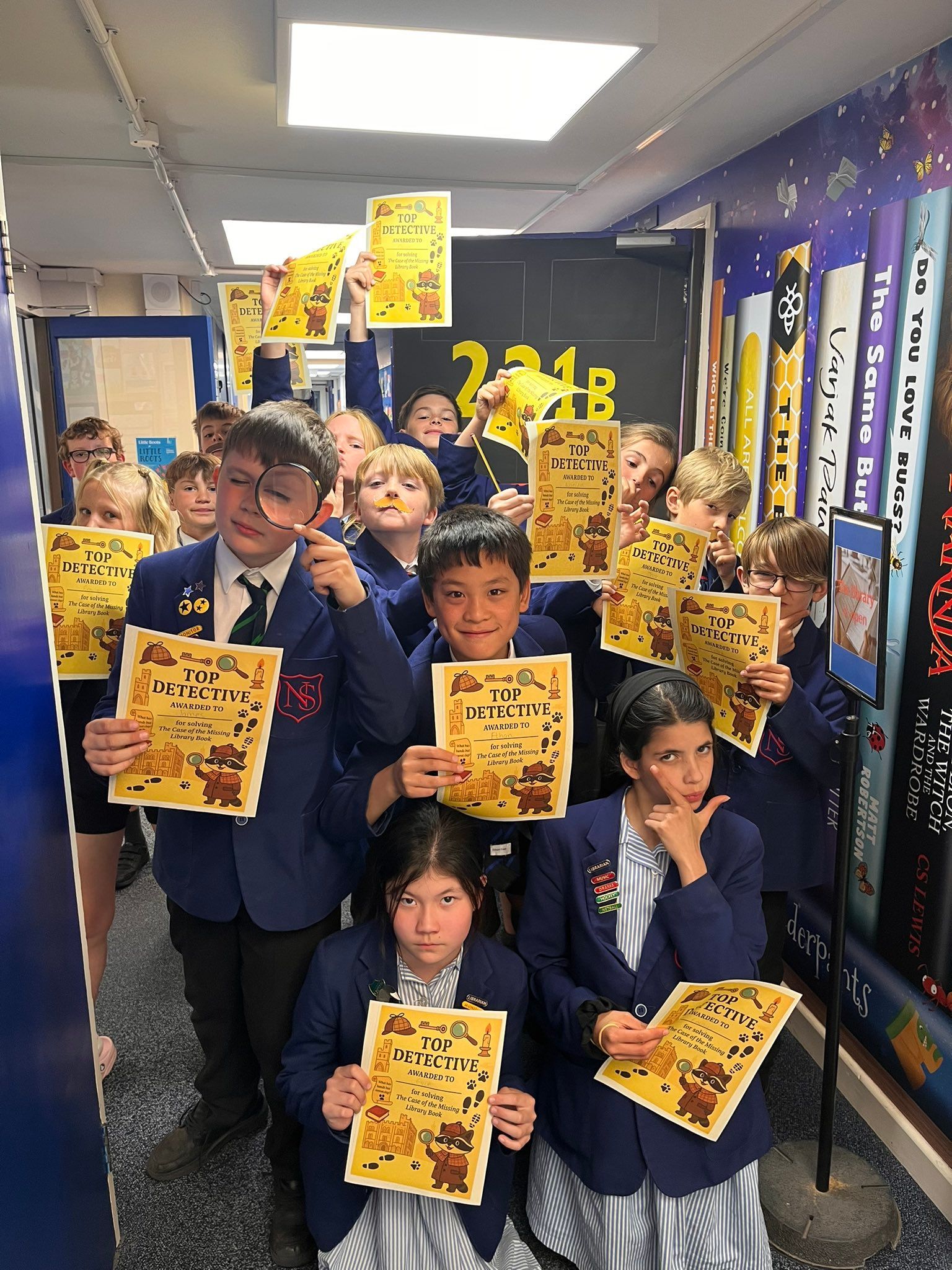
Fourth Form pupils put their detective skills to the test in a library-based murder mystery event centred on the “murder” of Agatha Christie’s Murder on the Orient Express. Following a trail of clues left around the crime scene, pupils tracked down a series of witness books and questioned them carefully to build their case. Their investigation led them to six suspects, with cryptic titles including One of Us Is Lying, Death or Ice Cream, Murder on a School Night and Knife Edge. With plenty of debate and deduction, pupils worked together to eliminate suspects and uncover the truth. The final challenge was to discover the motive, which they successfully revealed by cracking a coded message using a cipher left by the murderer.  Hot chocolate and brownies helped to keep energy levels up, and there was a real buzz in the library as pupils discussed clues, books and theories. The event was thoroughly enjoyed by everyone who took part and sparked lots of conversation and storytelling. As our first event of 2026’s National Year of Reading, it was a great success and a fantastic way to celebrate books and reading in a creative and engaging way. No books were harmed, damaged or dog-eared during the investigation.
Show More