

Norwich School is a co-educational, independent day school
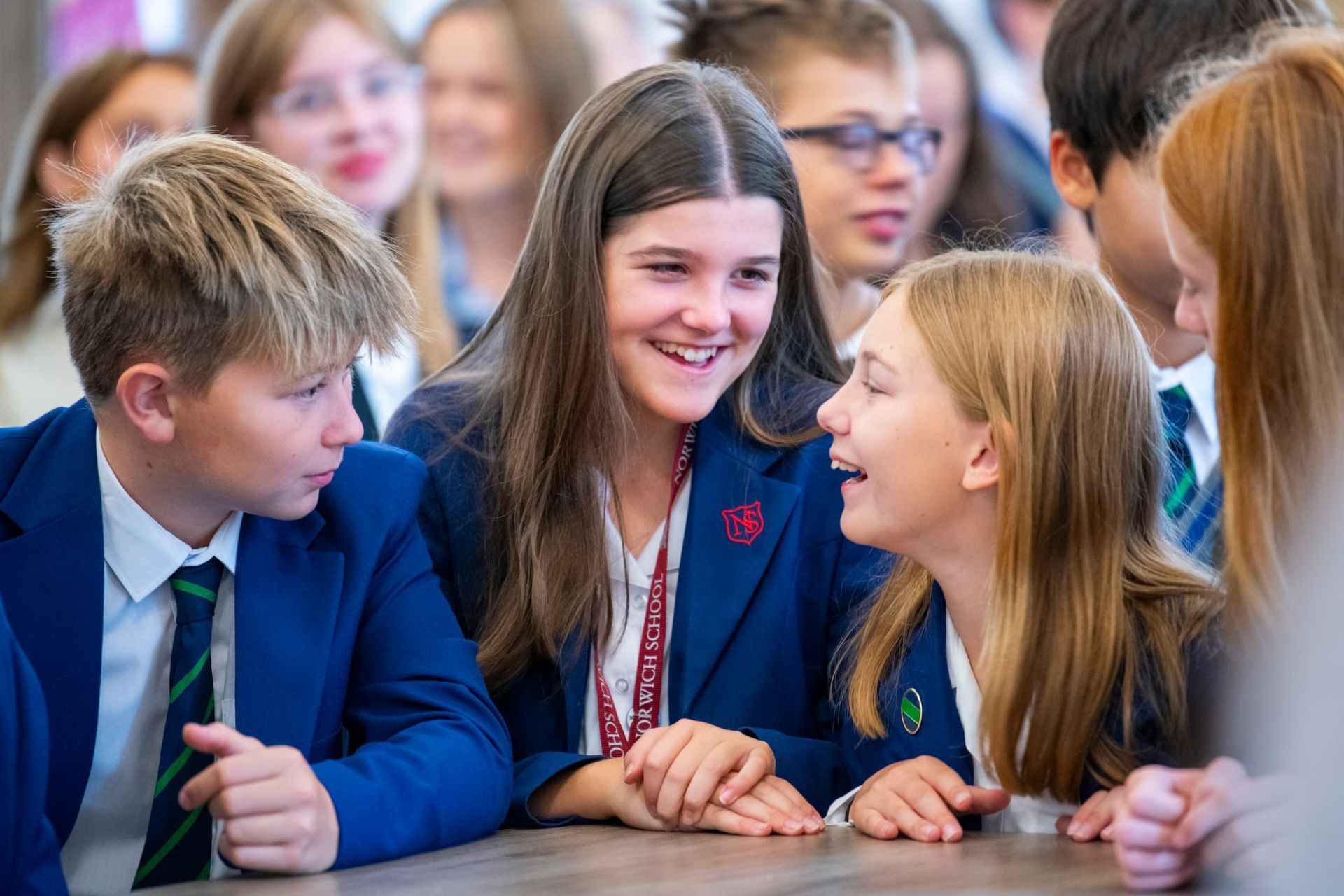
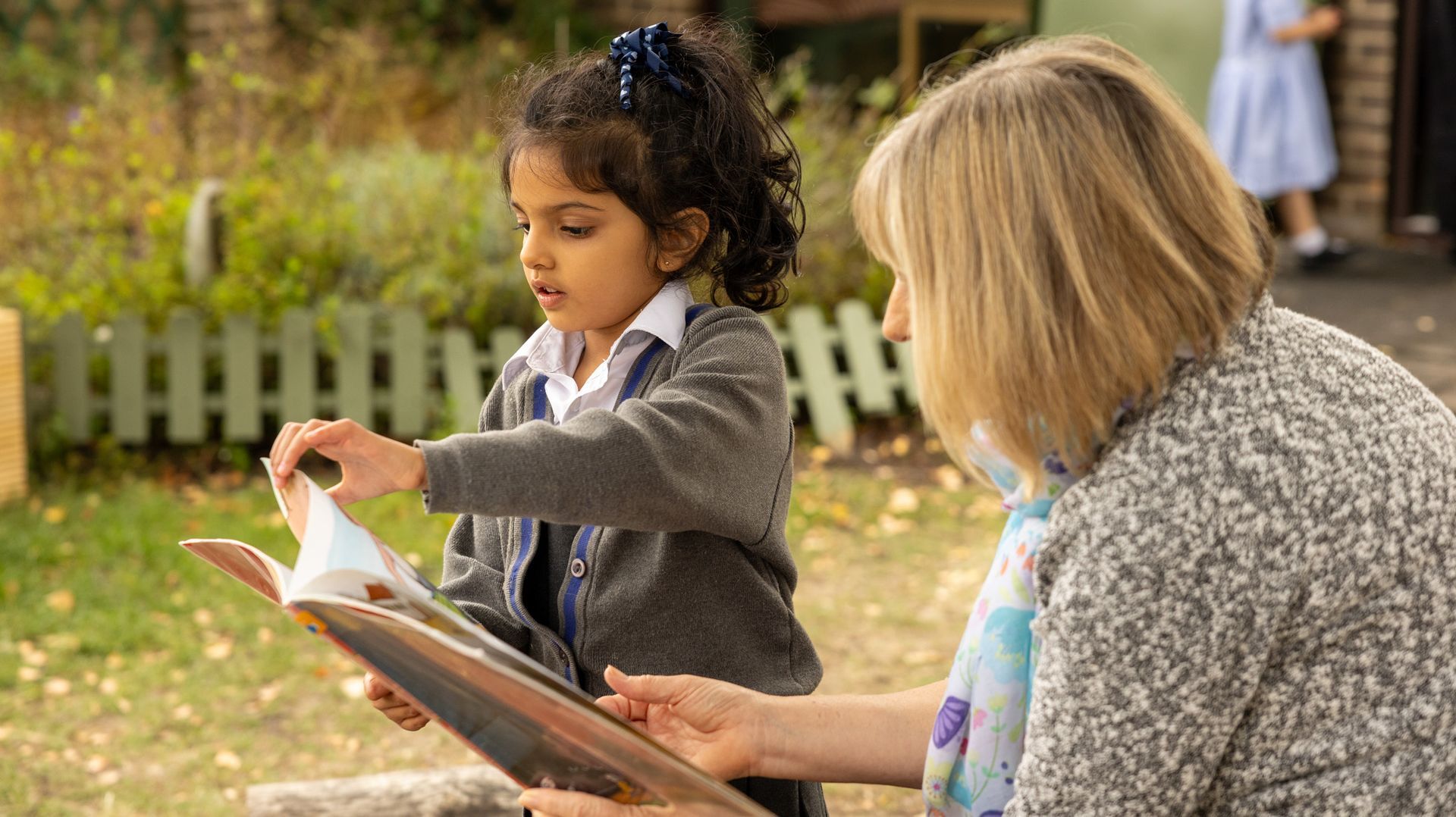
Norwich School is an independent, co-educational day school for pupils aged between three and eighteen.
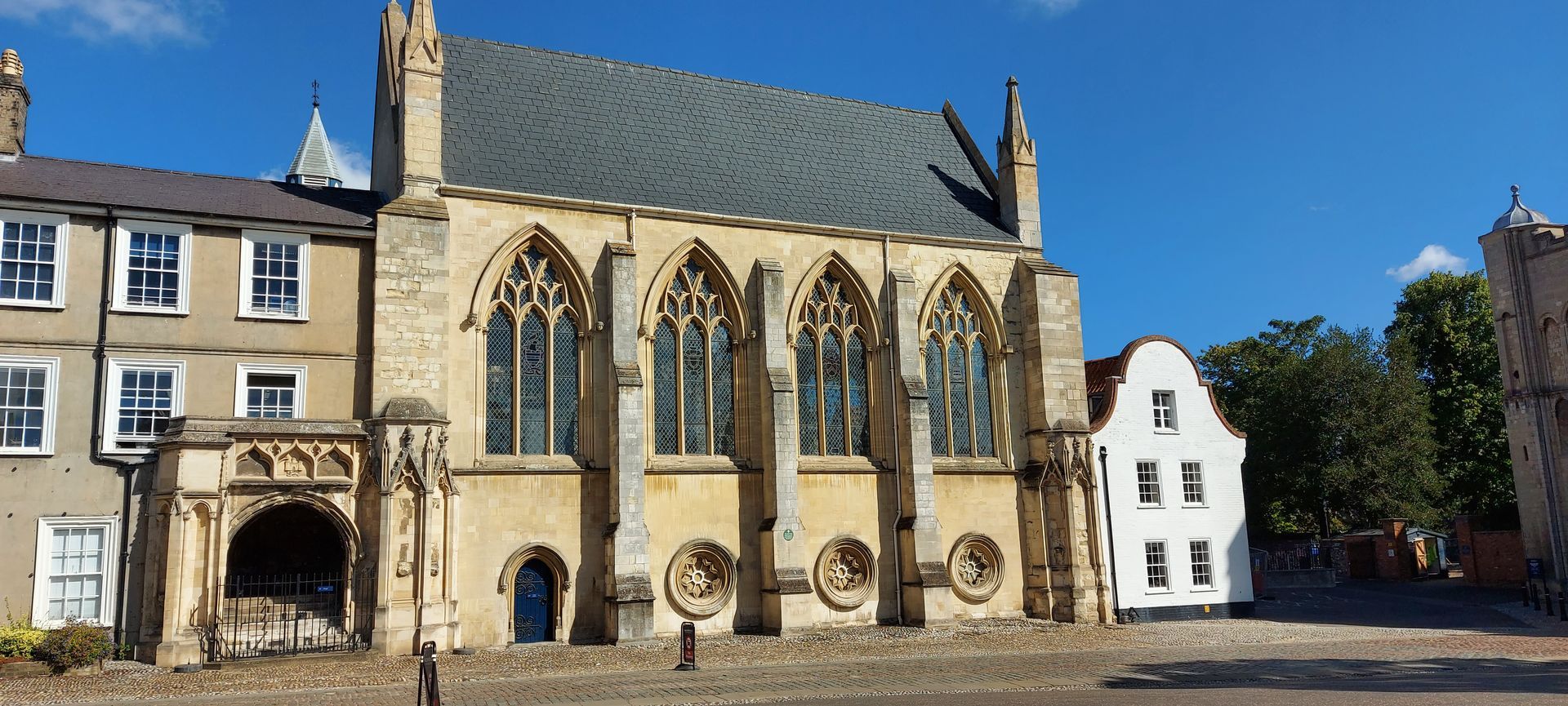
Set in the beautiful grounds of the city’s historic Cathedral Close, the school is a traditional yet lively place to learn and combines a vibrant, imaginative culture with values of scholarship and mutual respect.
Discover More
Upcoming Events

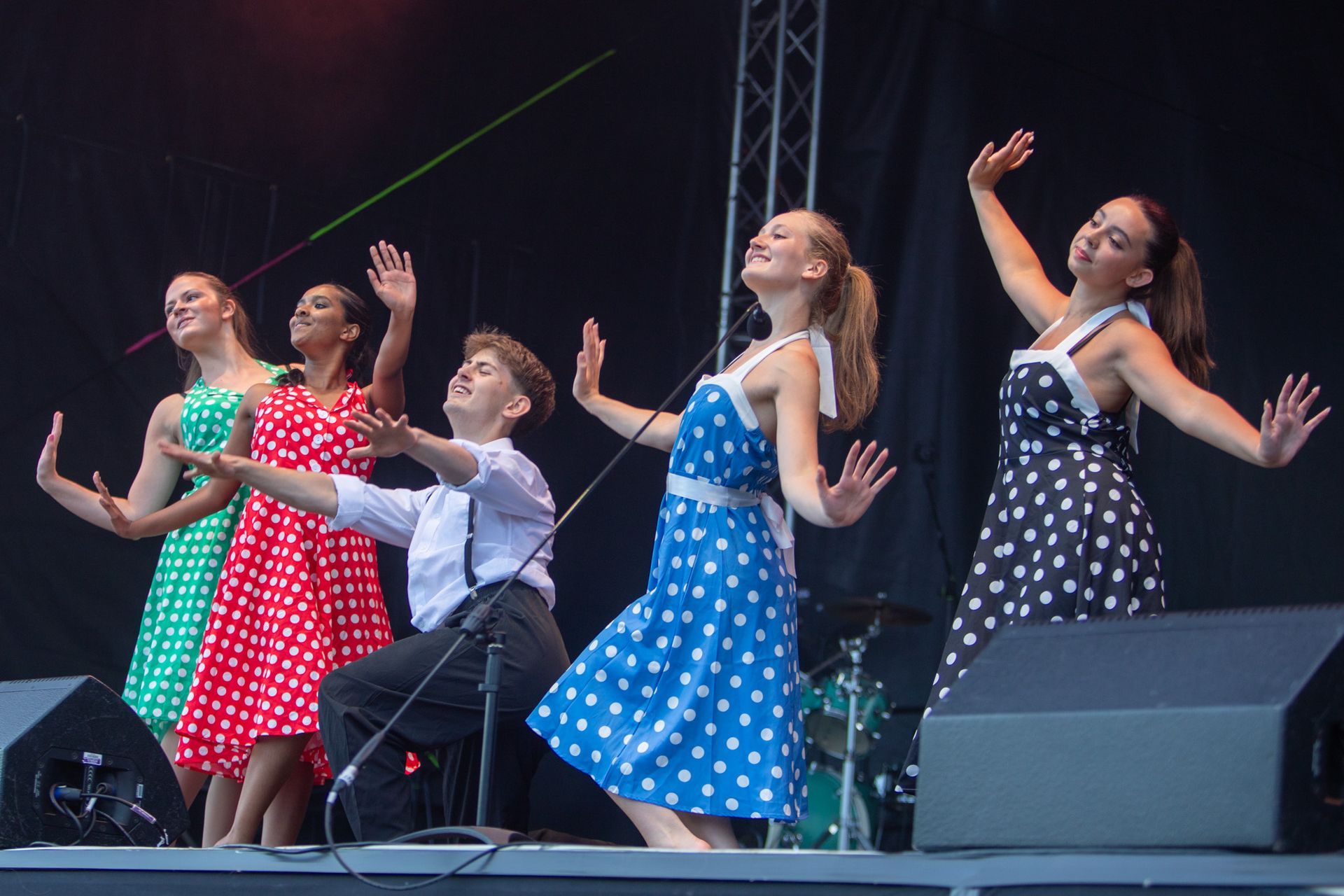
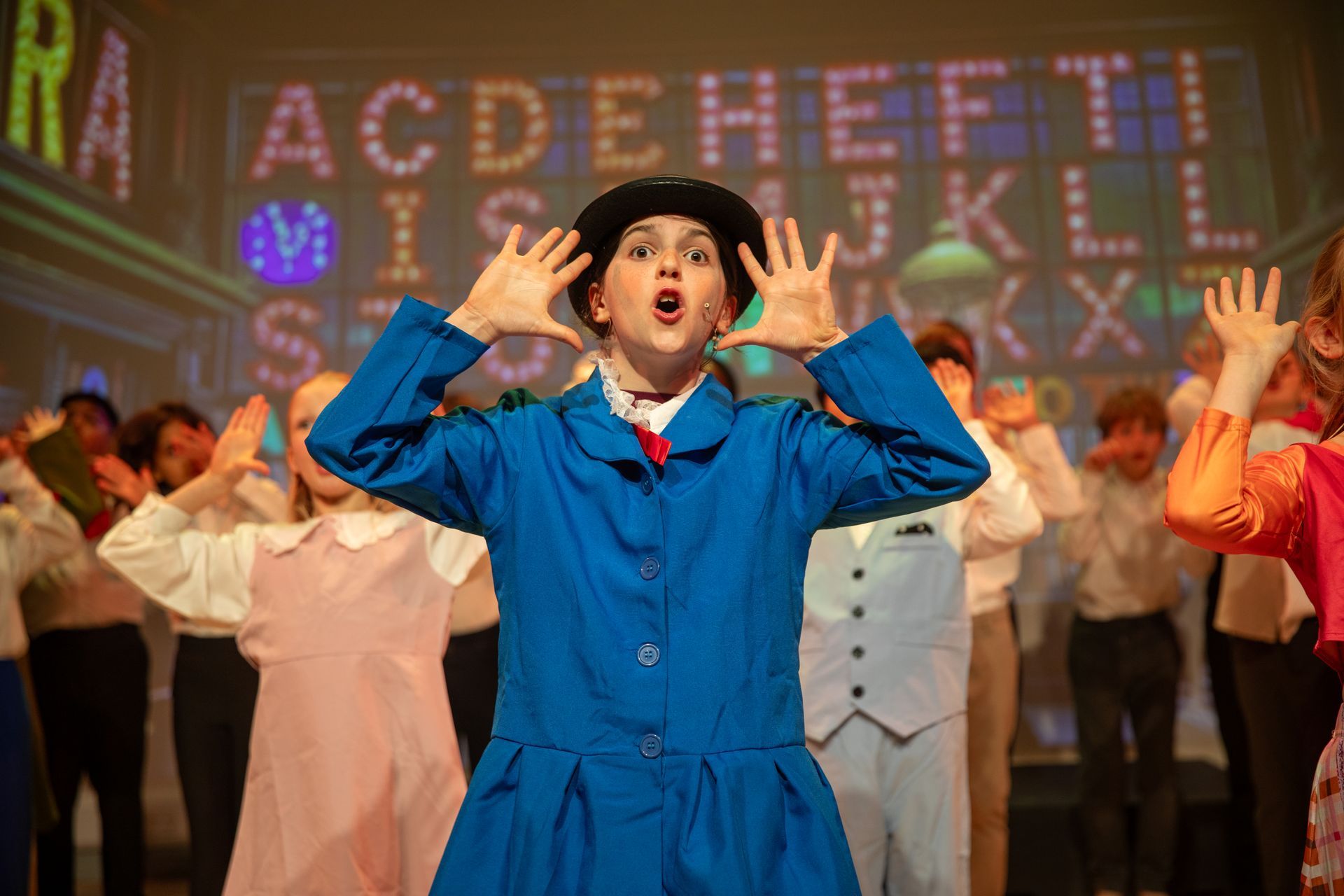
Senior School Musical - Come From Away
Wednesday 18 November, 19:30
The Playhouse Theatre

Senior School Musical - Come From Away
Thursday 19 November, 19:30
The Playhouse Theatre

Senior School Musical - Come From Away
Friday 20 November, 19:30
The Playhouse Theatre

Senior School Musical - Come From Away
Saturday 21 November, 14:30
The Playhouse Theatre

Senior School Musical - Come From Away
Saturday 21 November, 19:30
The Playhouse Theatre
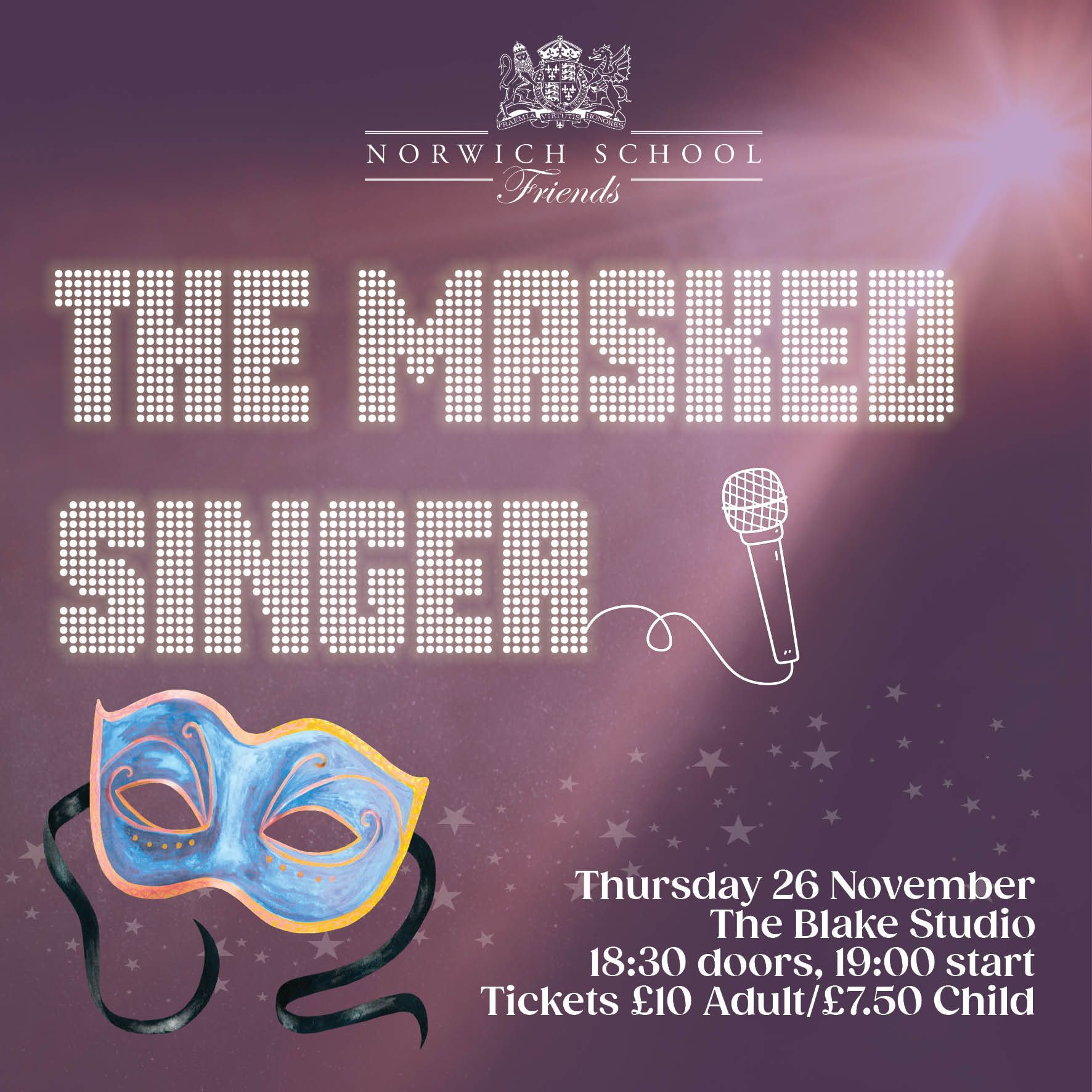
The Masked Singer
Thursday 26 November, 19:00
The Blake Studio
Join us to unmask six Norwich School singing legends. Who’s behind the mask? Only one way to find out...
Latest News
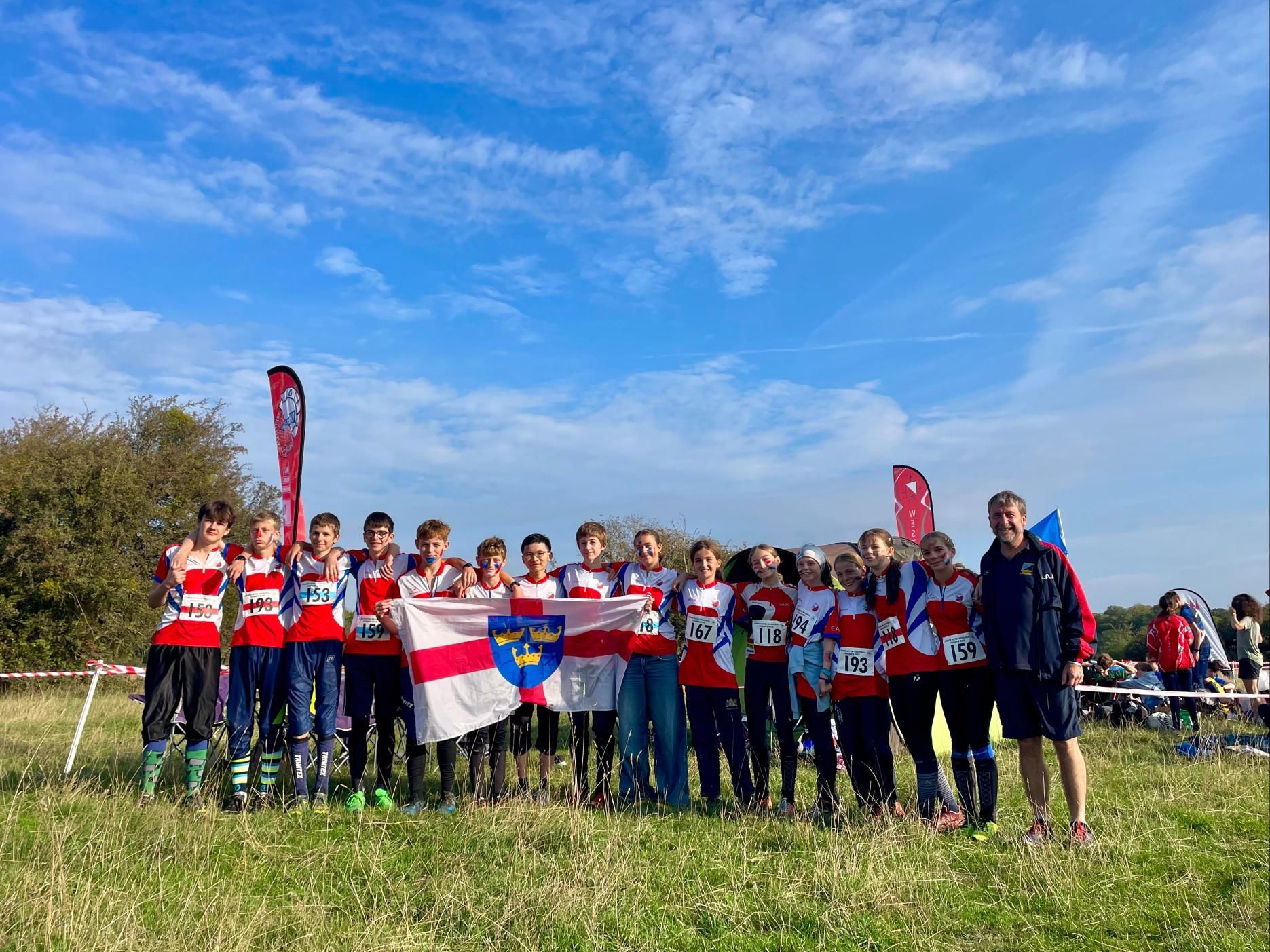
Oscar PW, and Marcus R, competed as part of the East Anglia team at the British Orienteering Junior East Anglia came 7th overall, a fantastic achievement! Here is what Oscar and Marcus said about the event; "This was my first time competing for East Anglia, and I was running up an age category against runners two years older than me. I found the location for the first day quite challenging as there was very little to navigate by in places, which threw me off on some of the controls. I placed in the upper middle of the pack, which was a good result, although I felt I could have done better on another day. The venue for the relays on the second day felt easier to me, and I found the course less challenging. The runner before me in my team had put us in about 18th place, and I think I made a small improvement, taking us to 17th, and our final runner took us to 16th. Across the whole event, EAJS came 7th out of all the teams there, which was a great result considering we were one of the teams with the fewest runners." - Oscar "On the whole it was a very successful weekend for myself and east Anglia. with my individual performance I broke expectations as I was running up an age class, managing to earn an impressive 12th place. As east Anglia were the hosts, we had a good number of runners and a large number of relay teams. I ran the first leg for my team finishing 3 minutes behind the leader meaning we were right at the front of the race after my leg. Overall east Anglia once again performed better than predicted finishing 7th as a team, a very impressive weekend." - Marcus
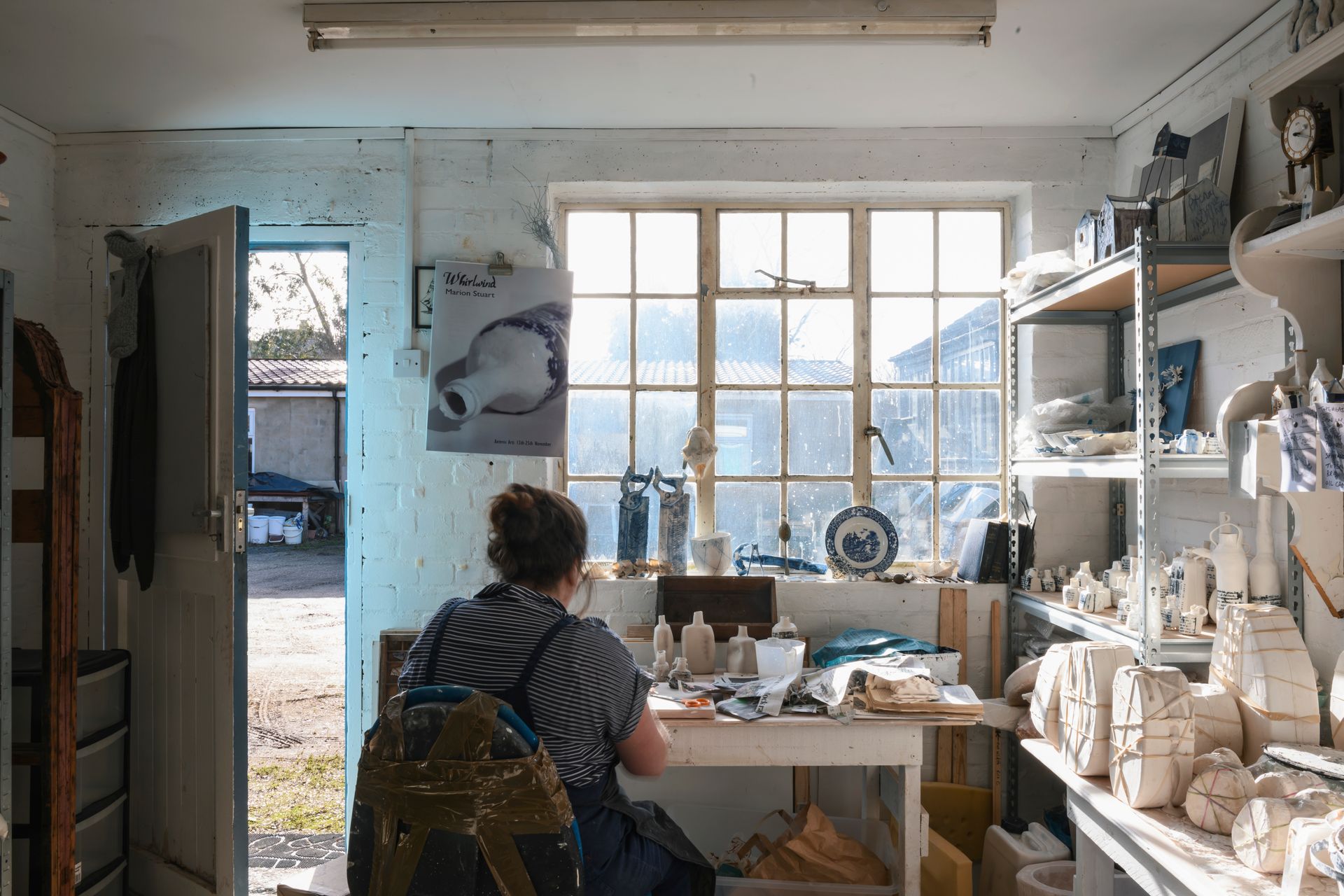
The Crypt Gallery, Norwich, presents Unspoken , a joint exhibition by artists Sophie Eade and Marion Stuart , bringing together new paintings and ceramics shaped by their shared interest in text, transcription, and the quiet charge of language. Working from a thematic starting point of writing , both artists explore how words shift when they move across materials — from page to clay, from conversation to surface, from the spoken to the withheld. Their works carry fragments of text that are often difficult to read, partially obscured or embedded within layers of slip, glaze, paint, and mark‑making. Meaning sits in plain sight, but not always immediately accessible. The viewer is invited to look closely, to navigate the tension between what is said and what is left unsaid. The ceramics in Unspoken hold words pressed, carved, or transcribed into stoneware and wild clays. Some phrases emerge clearly; others dissolve into surface. The paintings echo this approach, using text, gesture, repetition, and erasure to test how language behaves with canvas and colour. Together, the works form a conversation about communication — its failures, its hesitations, and its quiet insistence. Eade and Stuart both work at StudioDo a ceramics space in Norwich , where their studio practice is shaped by discussion, shared problem‑solving, and a mutual interest in how materials carry thought. This exhibition reflects that ongoing dialogue: two distinct practices meeting at the point where text becomes form. Unspoken invites audiences to consider how language is held, altered, and sometimes lost — and how meaning can remain even when words slip out of reach. Exhibition Dates: 24 November - 29 November, 10:00 - 16:00 Private View: 27 November, 17:30 - 20:00
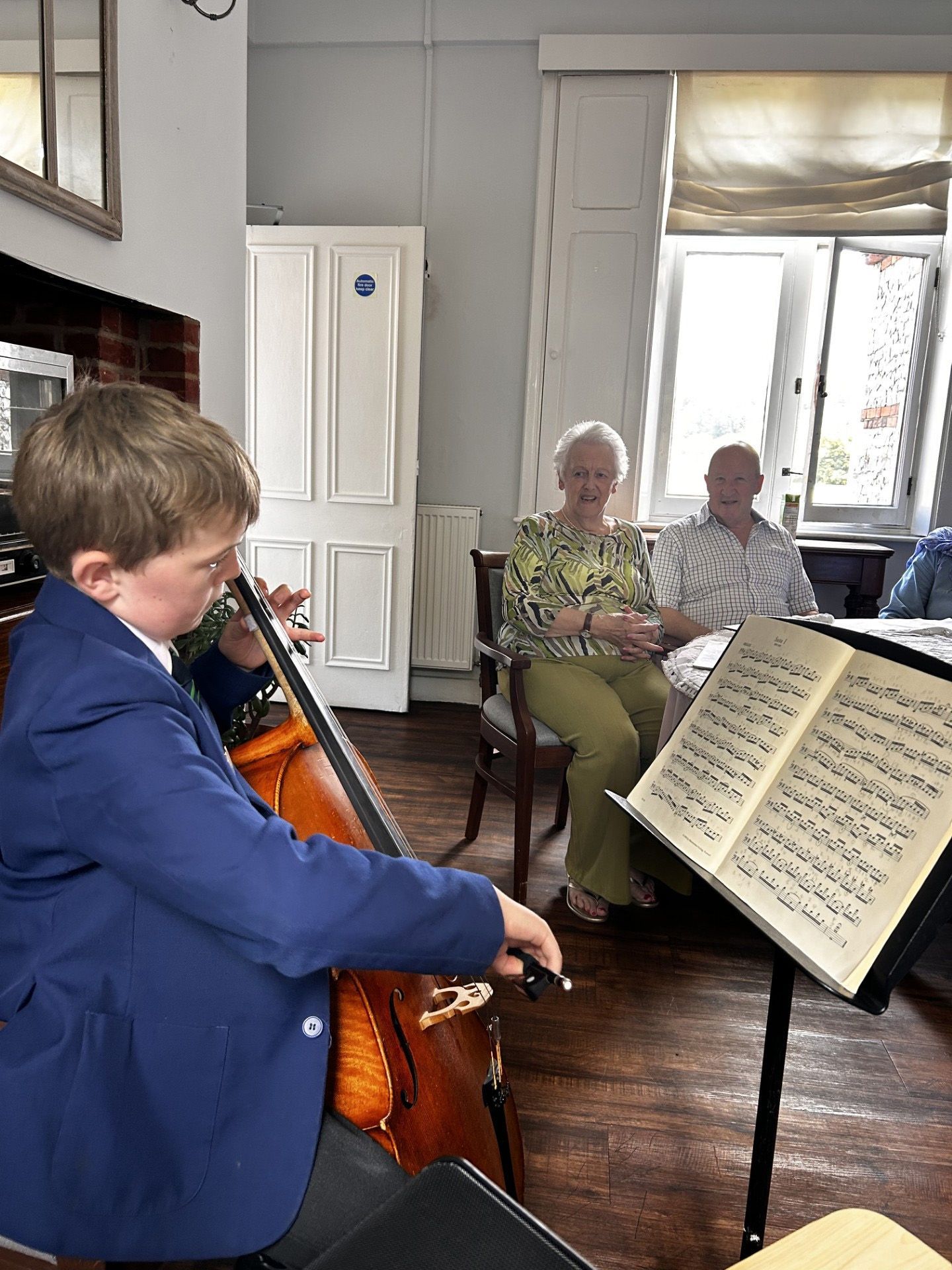
Bringing musical joy to others, Lower School Captain Max W treated the residents of Abbeyfield House to a special impromptu musical performance. Max, a chorister at Norwich Cathedral, delighted his intimate audience with a beautiful performance of Bach’s Prelude No. 1 in G Major on the Cello, followed by a heartfelt vocal rendition of John Rutter’s All Things Bright and Beautiful. His music captivated the residents, who thoroughly enjoyed this special opportunity to experience live music up close. Following his performance, Max spent time chatting with residents, sharing his ambitions for the future and enjoying their company. It was a lovely reminder of the power of music to bring people together, brighten someone’s day and create meaningful connections across generations. Well done, Max! We are incredibly proud of the way you are using your musical talents to bring happiness and joy to others.
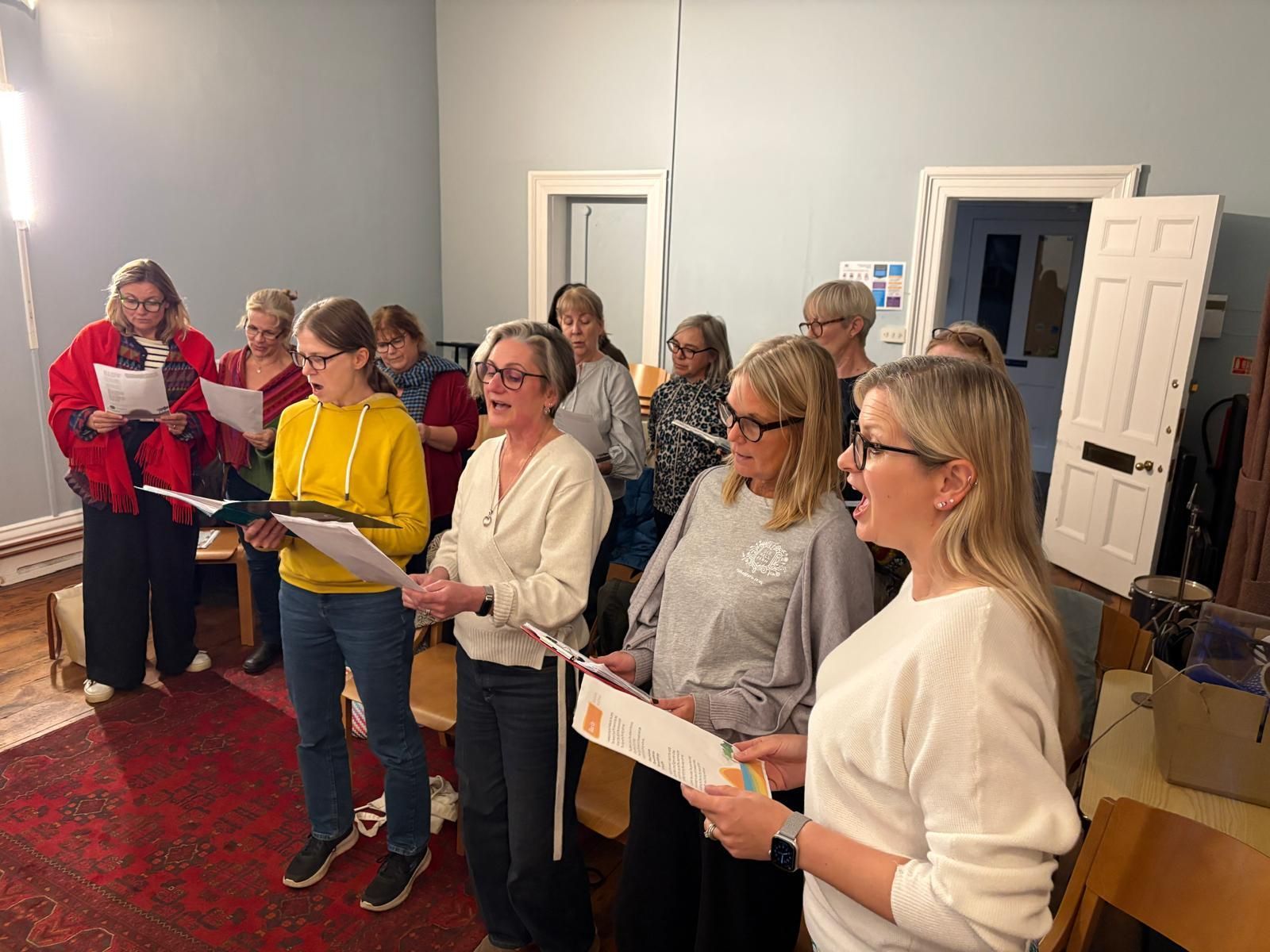
If you love singing and are free on Monday evenings during term time, the Many More Voices choir would love to hear from you. No auditions – no experience or music-reading skills necessary. Join our choir and celebrate Christmas in song Our inclusive and welcoming community choir has strong links with Norwich School – many members have children who are current or former pupils – and we share a simple love of melody, friendship and fun. This term we’re focusing on Christmas, featuring a syncopated mashup of the traditional favourites O Come, O Come Emmanuel and Carol of the Bells, as well as the lilting A Cradle in Bethlehem and a plethora of seasonal singalongs which we’ll enjoy with residents of the Great Hospital on 13 December. From pop to folk and more Under the supportive guidance of conductor and pianist Diana Cripps, from September to July we rehearse and perform a varied repertoire spanning gospel, traditional songs, pop and folk. Everything is taught by ear, although sheet music is available for reference. And don’t let nerves put you off – the more we sing, the more confident we become. Experience the benefits of singing The positive benefits of joining a choir are well documented, from an endorphin rush to a sense of community and achievement. Whatever the day brings we always feel better at the end of a rehearsal or concert. Singing makes us happy, and singing with a lovely bunch of people makes us even happier. We rehearse on Monday evenings in the Norwich School music room or chapel from 18:30 - 20:00. You can check out our website for more information.
School Gallery



View more