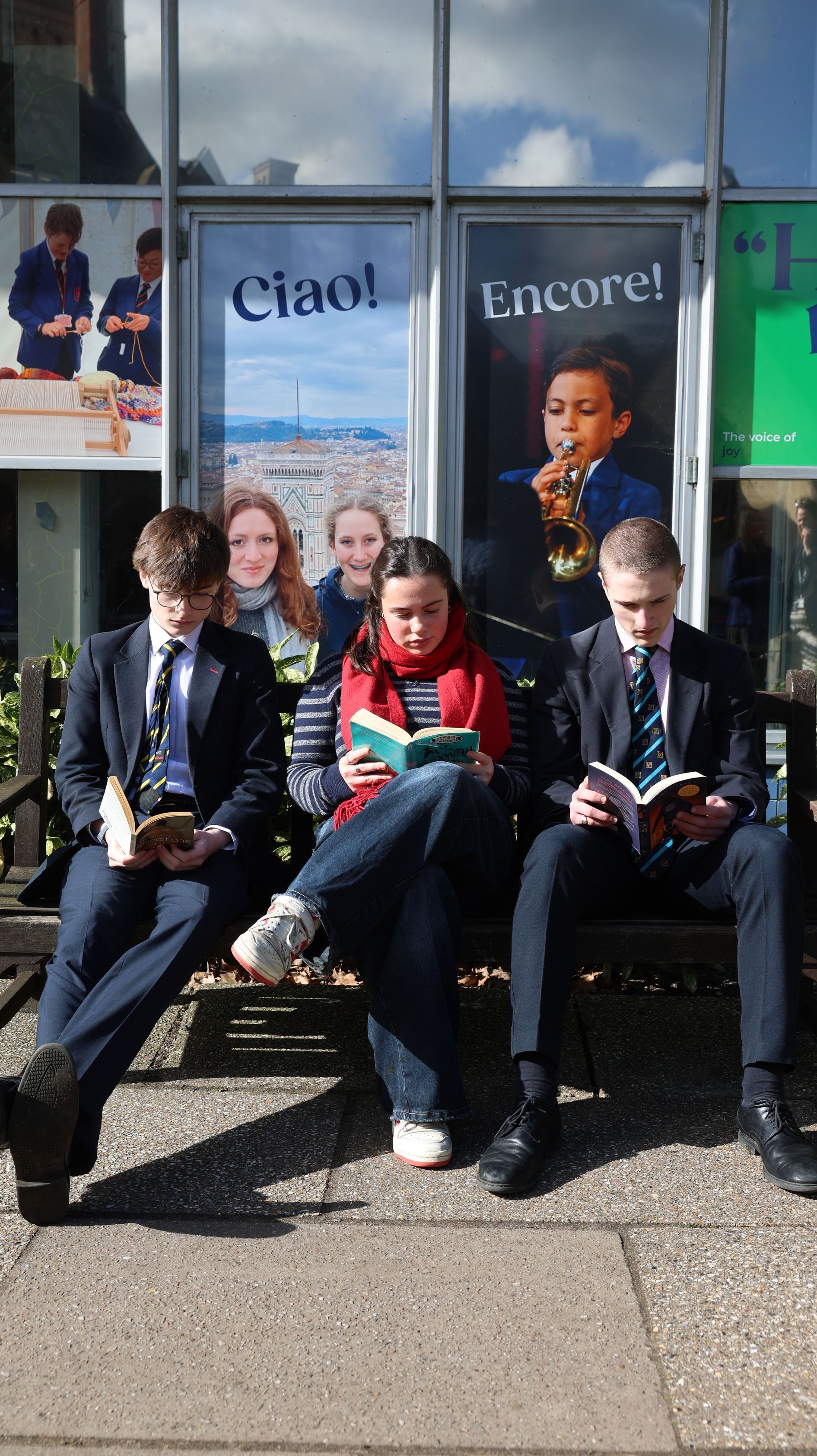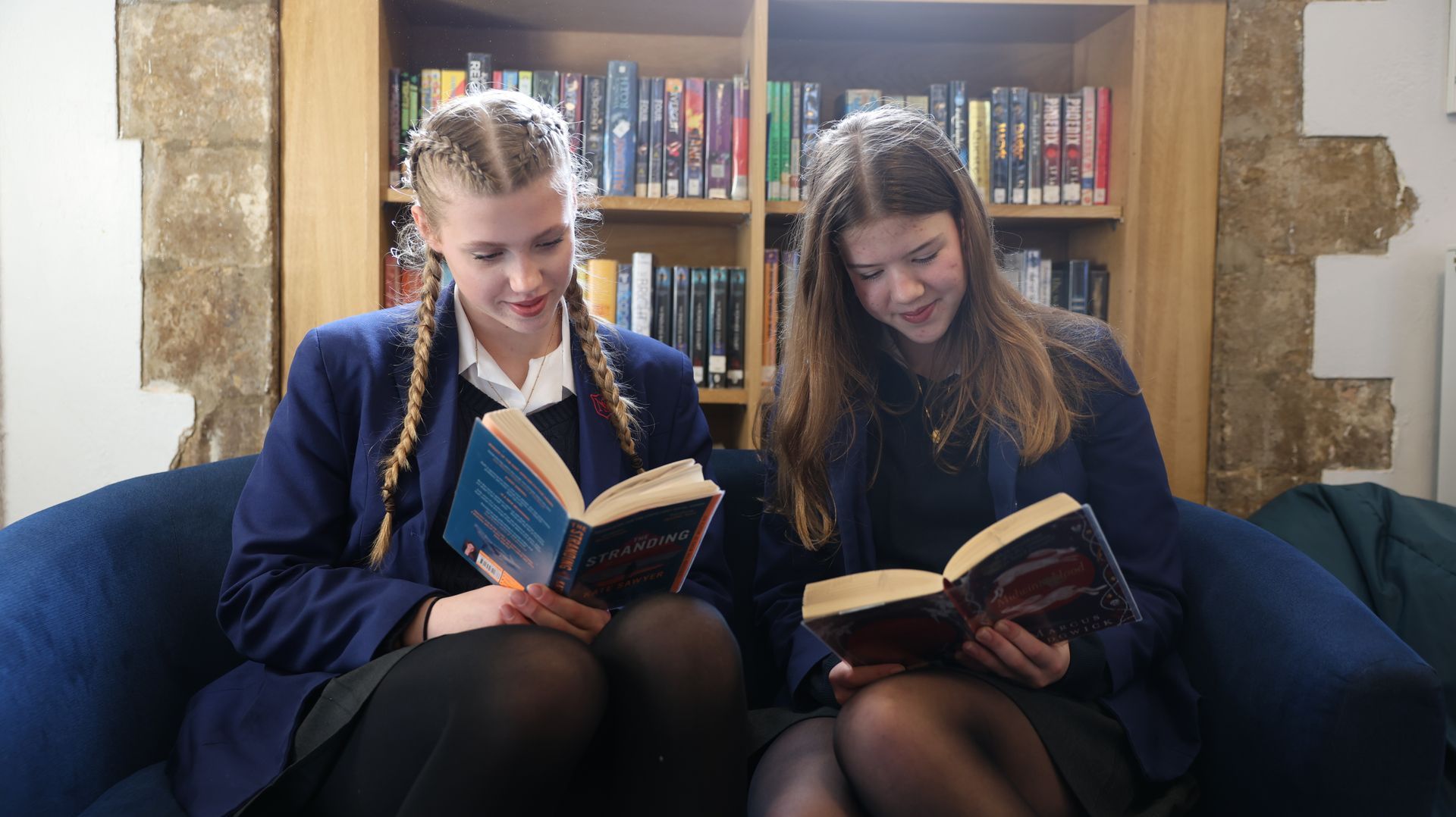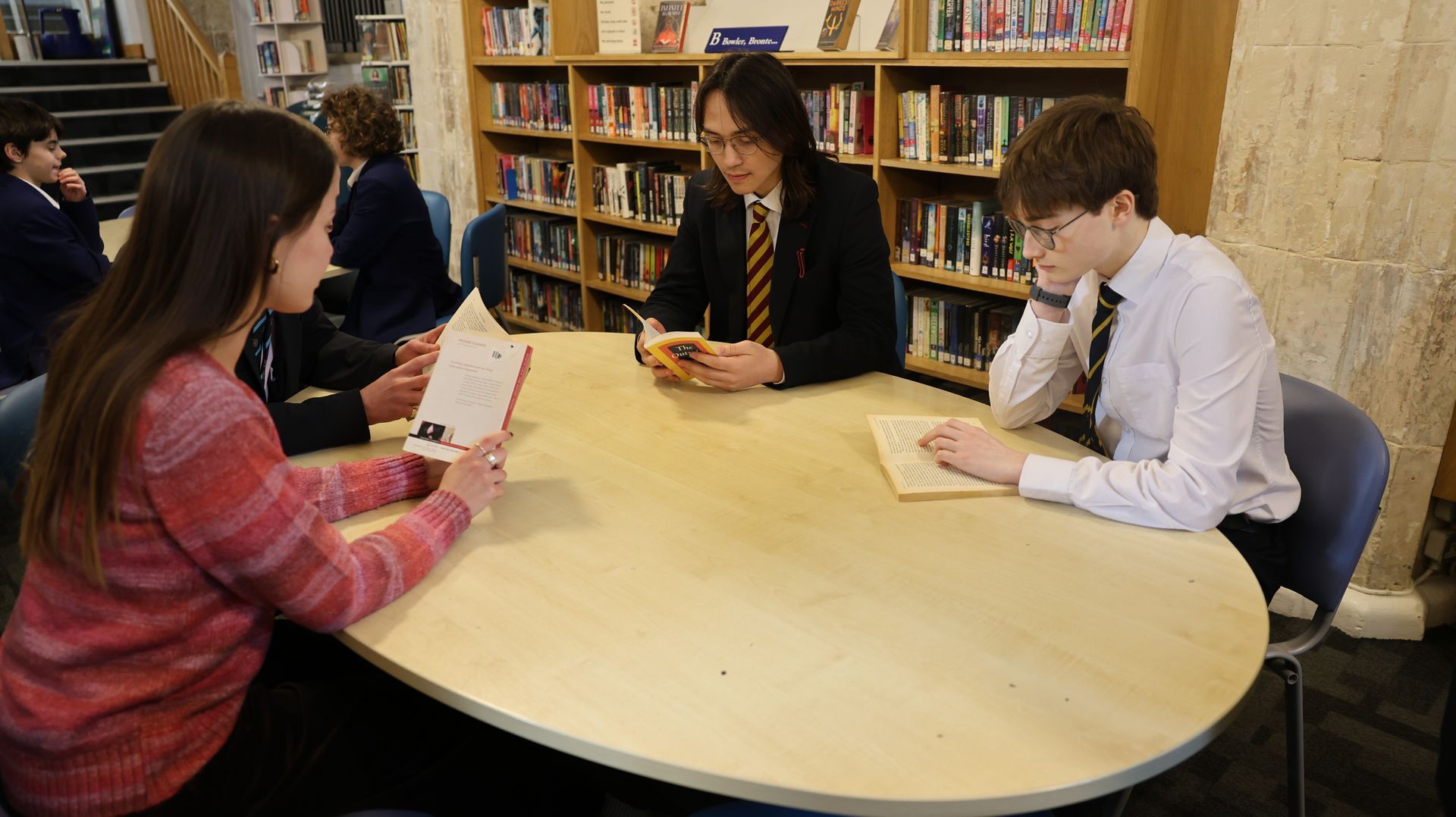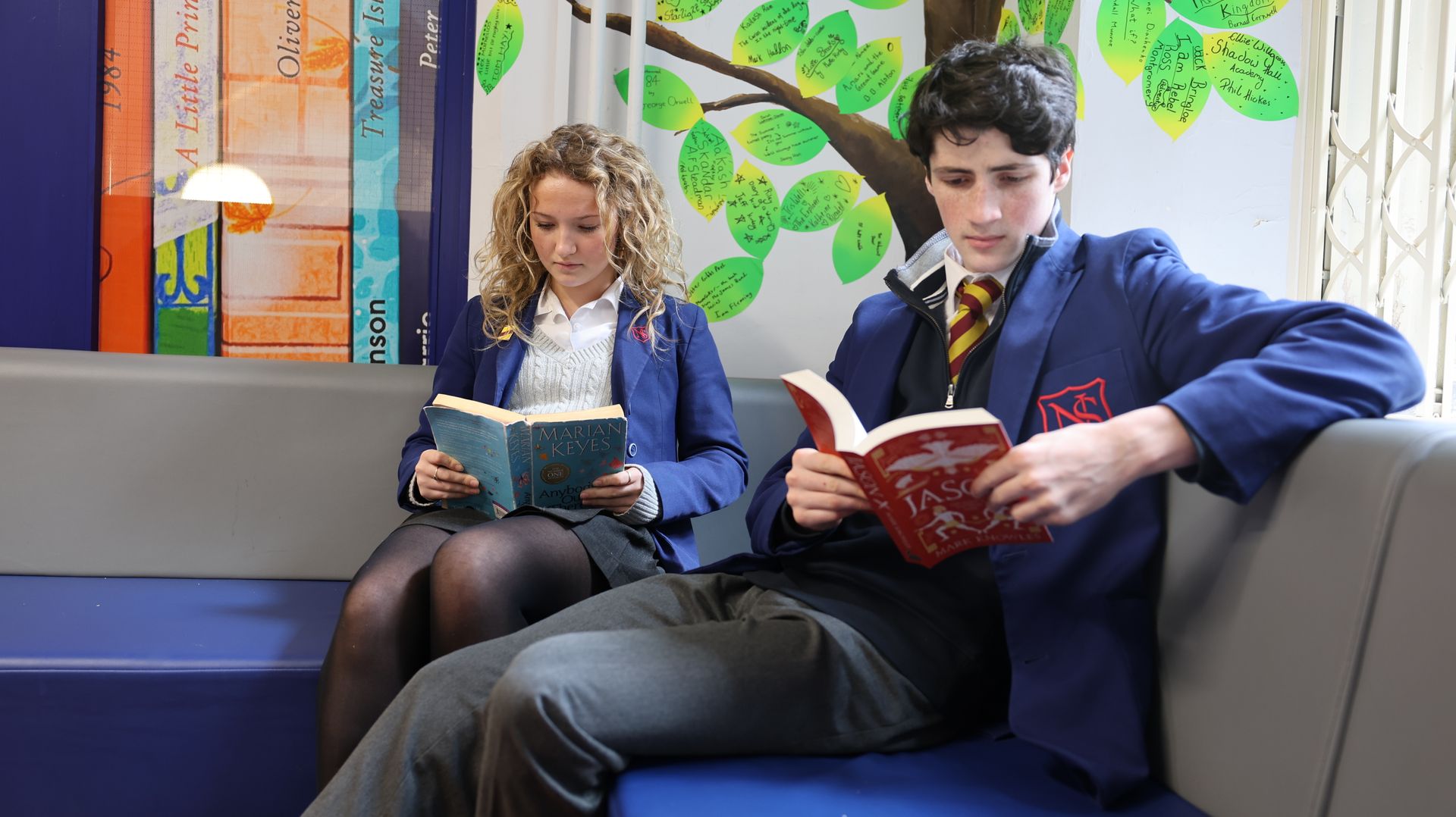
The Need To Read - Mrs Grant Shares Her Thoughts On Why The National Year of Reading is so Important.
March 8, 2026
In today’s Sunday Times (8 March, 2026), Andrew Marr describes his love of literature: “it has given me a reliable friend, always there, always surprising, for almost half a century.” His own love of reading was born in his childhood, as for so many of us; but this love of reading is waning amongst children nationally. In June 2025 the National Literacy Trust found “just 1 in 3 (32.7%) children and young people aged 8 to 18 said that they enjoyed reading in their free time in 2025. This marks a 36% decrease in reading enjoyment levels since we started asking about this in 2005.” Of course, this has repercussions academically for pupils; but as well as this, as Andrew Marr is saying, something even greater (if perhaps less directly measurable) may be lost too.
Katherine Rundell, the children’s author, comments “if there is a silver bullet for ordinary, everyday childhood happiness, it is reading for pleasure. Children read for joy; for jokes they can steal; to have anchors in turbulent water and company when they hide silently behind the bins at break; to find friendship and respect when it’s not on offer elsewhere; and to become empowered within their own thoughtfulness when the world otherwise renders them powerless. Reading for pleasure promotes academic confidence; it has been shown, over and over, to be a key predictor of a child’s future economic success. And it unlocks us. Kafka wrote that certain books “seem like a key to unfamiliar rooms in one’s own castle”.” As an aside, I also recommend for us, as parents, Katherine Rundell’s published essay ‘Why you should read children’s books, even though you are so old and wise’.
I have always loved reading too. Most recently I have finished ‘The Correspondent’ by Virginia Evans (brilliant premise: a story told just through some of the letters sent and received by the protagonist, but utterly devastating) and ‘Blank Canvas’ by ON Grace Murray (brilliant too: I could hardly bear to witness the inevitable unravelling of her protagonist’s big lie). Both authors did what so many others have done for me in the past: enabled me to walk with other people, often very different to myself, for a while. I feel sympathy with them when they make mistakes, and this has taught me to be kinder to myself when I inevitably make them too. The countless characters, fictional and real, I have walked with through my reading in the past four decades have given me a much bigger sense of perspective and greater compassion for myself and others. Sophie Ratcliffe, Professor of Literature and Creative Criticism at the University of Oxford says “You don’t need to be a writer or an actor or a lover to dream a second life, an unlived life… Every reader does it. In the moment we touch the cover, a second world emerges… With every story we turn the page for, we turn to feel the weight of the unlived life, the other ways we might have gone, or loved, or died.”
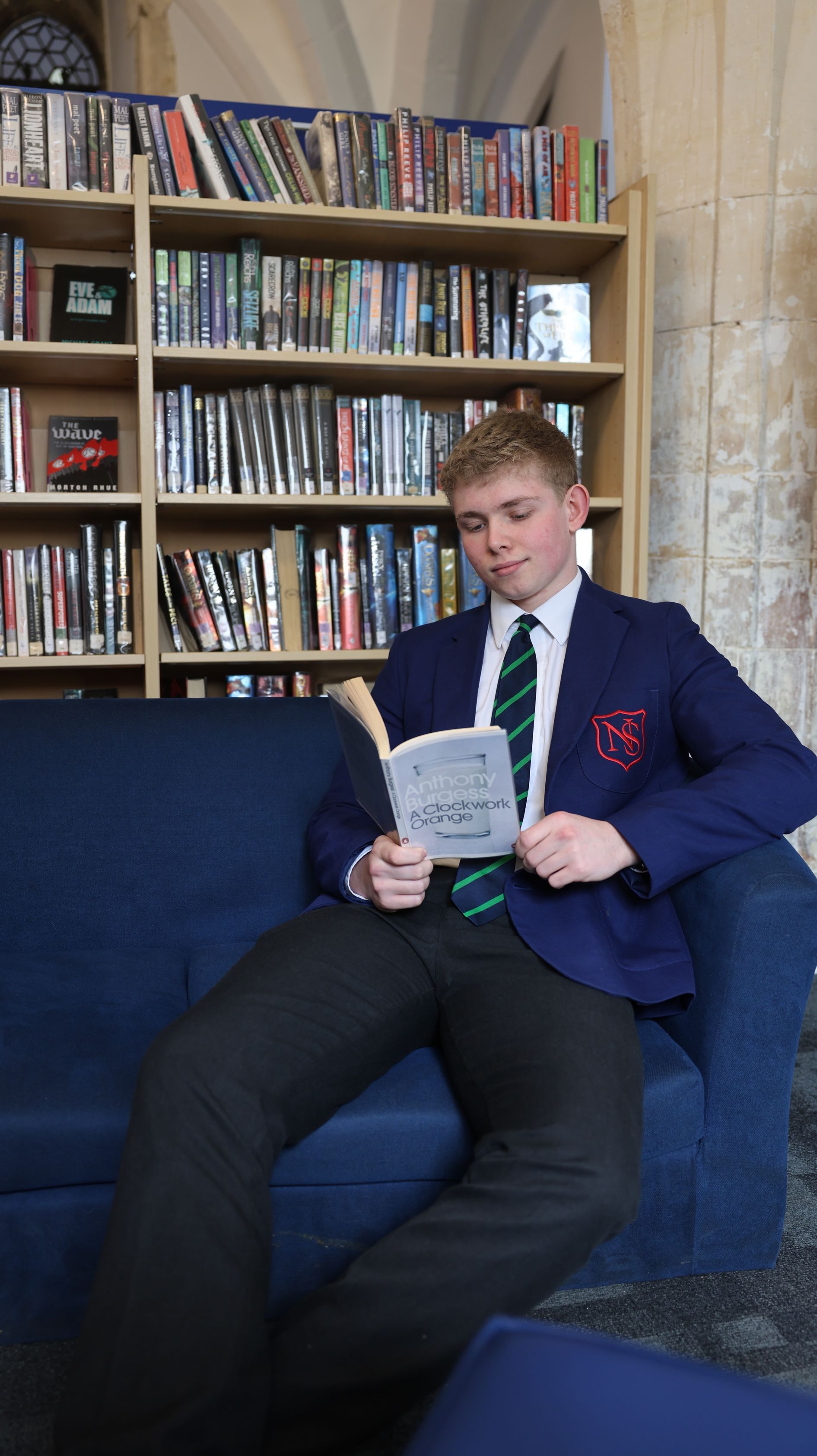
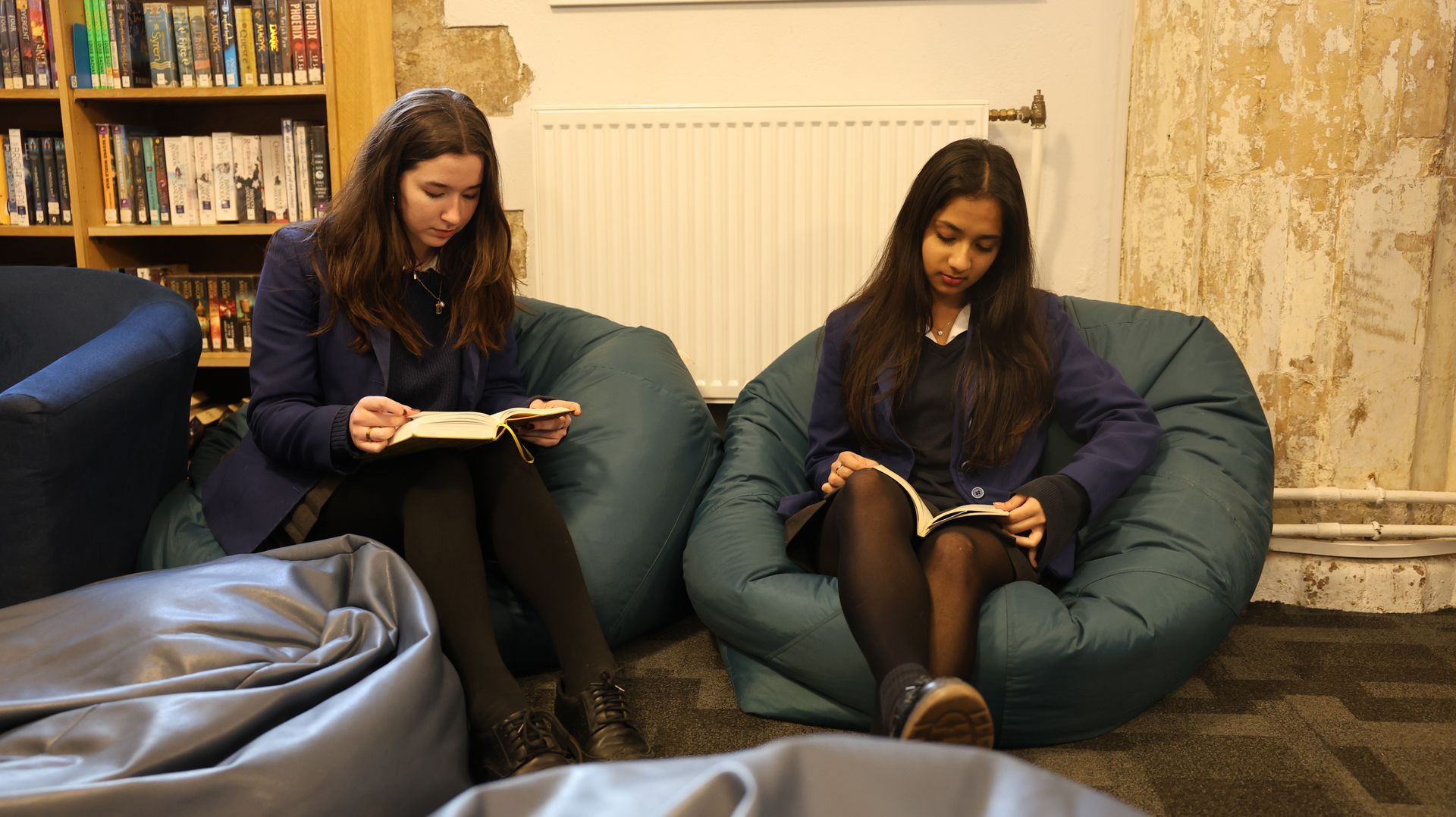
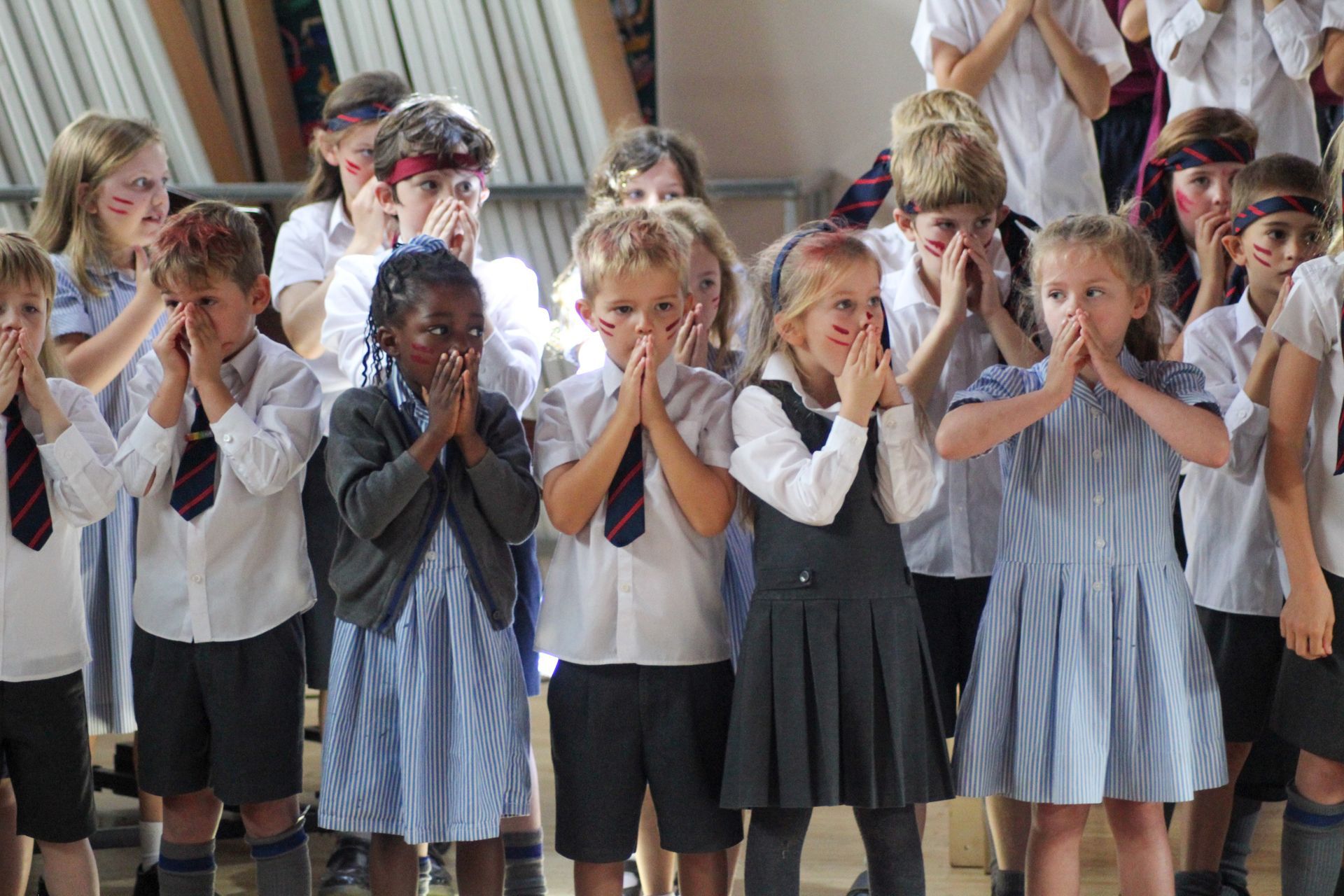
I am an optimist and do not believe the trend the National Literacy Trust has found in the last two decades will continue (and here I diverge from James Marriott who is releasing a book later this year ‘The New Dark Ages: The End of Reading and the Dawn of a Post-Literate Society’). I think that human interactions, including those via human-written word, will become of increasing value with the dawn of AI. I realise that this optimism will need to be partnered with action though. At Norwich School we have avid readers in the Lower School, encouraged by their wonderful staff and all of the magical activities such as the ‘Harry Potter Book Night’. Like everywhere else, this enthusiasm wanes in the Senior School, but we should not resign ourselves to this. On top of other excellent initiatives already in place we intend, from this September, to more explicitly embed reading (for fun, of whatever they choose, supported by lots of suggestions and structure) into the homework timetable for our Fourth Form. We all need a good night’s sleep in order to work well at school the next day and what better habits could we, as parents, instil in our children than encouraging them to turn off screens by, say, 9.30pm and to read in bed shortly afterwards?
We can easily imagine the many reasons for the decline in children reading, but let’s finish as we began with Andrew Marr’s reflections on the longevity of reading a good book in comparison to these other distractions: “A way to test this is by comparing regular reading of books with the addictive algorithms provided by the social media platforms. These are clever … But as soon as I throw the phone to one side, the tiny films are gone again, as sustaining for life as a salty snack. The great novels remain. They smoulder and glow. They reverberate. They remain, across most of a lifetime, my secret garden.”