By Eleanor Lewis
•
October 16, 2026
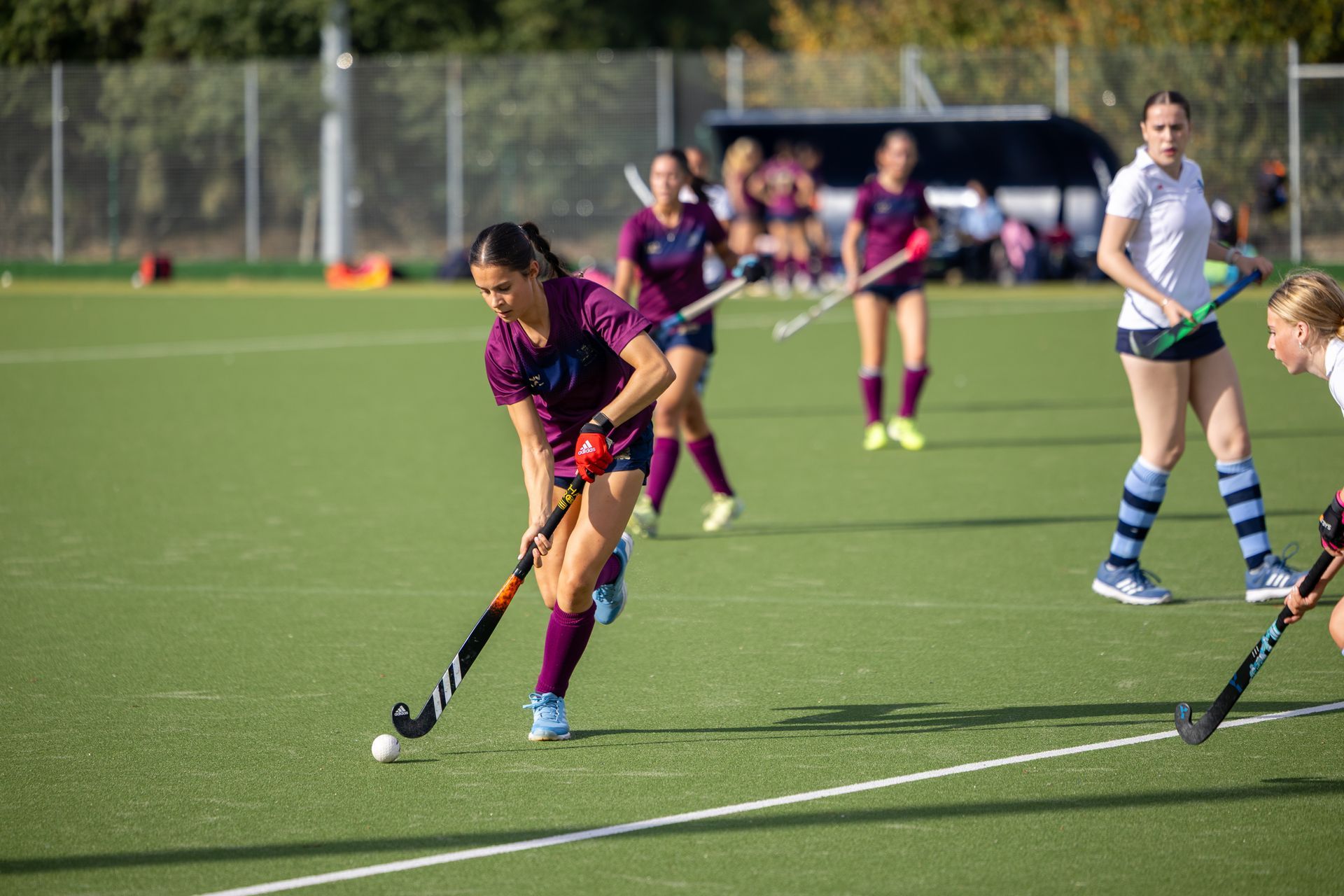
It has been an exciting and action-packed start to the Michaelmas Term for Girls’ Hockey at Norwich School. With a packed fixture programme, cup competitions and plenty of opportunities for development, the girls have embraced the first half of term with enthusiasm, determination and a fantastic attitude. From impressive victories to hard-fought contests against strong opposition, there has been much to celebrate across all age groups. Senior Hockey The 1XI have made a strong start to the season, delivering some impressive performances against quality opposition. A convincing 6–1 victory over UEA provided an excellent opening, followed by a commanding 5–1 win against Kimbolton in the first round of the Trophy Cup. The squad carried this momentum into Round 2, producing an outstanding team performance to defeat Wymondham College 11–0. The result reflected the girls' attacking quality, cohesion and growing confidence, with some excellent passages of hockey throughout. A challenging encounter against a talented Ipswich U18 side also proved a valuable experience, testing the squad's resilience and providing important opportunities for tactical development. The girls responded with determination and a strong work ethic, taking plenty of positives from the fixture. With a third-round Trophy Cup clash against The Perse approaching, the 1st XI will be eager to maintain their momentum and continue their cup campaign. The 2XI have been equally impressive, reaching the half-term break with an unbeaten record. A thrilling 3–2 victory over Ipswich was a particular highlight, with the girls demonstrating composure and determination in a closely contested, end-to-end encounter. Further convincing victories over Culford (4–1) and Felsted (6–0) have underlined the squad's excellent start to the season. The 3XI have also enjoyed success, securing a well-deserved victory over Culford. It was another encouraging performance, reflecting the squad's hard work and continued development throughout the opening weeks of the season. Across all three senior teams, it has been particularly encouraging to see the girls developing their tactical understanding, confidence and teamwork, while consistently demonstrating a strong commitment to representing the school. Inters Hockey Our U14 and U15 squads have enjoyed a busy and competitive first half of term, producing some excellent results while continuing to develop their skills and understanding of the game. The U15As opened their campaign with an impressive 3–0 victory over Langley, while the U15Bs delivered a superb 7–0 win against the same opposition. The teams have also been involved in some closely fought encounters, including a 2–2 draw for the U15As against Culford and a 2–2 draw for the U15Bs against Wymondham College. Both the U14As and U15As secured victories against Ipswich, further demonstrating the progress being made across the age groups. More recently, the U15 squads hosted Culford and Felsted in a triangular fixture afternoon, enjoying a particularly successful outing with victories in both matches. A standout result came from the U15Bs, who secured an excellent 3–0 win over Culford, highlighting their growing confidence and ability to perform as a team. Meanwhile, the U14 squads travelled to Felsted for their triangular fixtures, with both teams recording a draw and a narrow defeat. Despite the closely contested results, the afternoon provided valuable match experience, with the girls showing resilience, determination and an increasingly strong understanding of their roles on the pitch. It has been especially rewarding to see the U14s adapting to the demands of 11-a-side hockey, developing their positional awareness, decision-making and confidence with each fixture. The progress across both age groups has been encouraging, and there is plenty to build upon as the season continues. Junior Hockey Our Junior squads have made an enthusiastic start to the season, with a strong emphasis on developing fundamental skills, building confidence and gaining valuable competitive experience. The U12As have enjoyed some excellent results, recording victories over Gresham's and Wymondham College, while the U13As have also impressed with wins against Wymondham College and Witham Hall. These performances reflect the girls' growing confidence and their ability to transfer the skills developed in training into competitive situations. A recent block of fixtures against Woodbridge, hosted at Harleston, provided another excellent afternoon of hockey. With plenty of closely contested, end-to-end matches, the girls were challenged to make quick decisions, work together effectively and apply the principles covered in training, particularly their PCA work. At Junior level, our priority remains creating a positive and enjoyable environment in which every player feels confident to develop, challenge themselves and embrace new opportunities. It has been wonderful to see the enthusiasm and energy the girls bring to both training and matches, alongside the progress they are making individually and collectively. Hockey outside of School Alongside our extensive school hockey programme, it has been fantastic to see a number of girls continuing to pursue their hockey ambitions beyond school. We are fortunate to have players involved in county and East Talent Academy pathways, as well as those competing at National League level for their respective clubs. These opportunities are a reflection of the girls' dedication, commitment and passion for the sport. We are proud to support players at every stage of their hockey journey, from those discovering the game for the first time to those aspiring to compete at the highest levels. Our aim remains to provide an inclusive, ambitious and enjoyable hockey environment in which every pupil has the opportunity to develop, succeed and foster a lifelong love of the game. Looking ahead to next half term With another busy half term ahead, there is plenty to look forward to across the Girls’ Hockey programme. The 1st XI will be hoping to extend their Trophy Cup run with their upcoming third-round fixture against The Perse, while our Junior, Intermediate and Senior squads have an exciting programme of fixtures ahead. The second half of term will see competitive fixture blocks against Norwich High School, Framlingham College, The Perse, Kimbolton and Haileybury School, providing further opportunities for the girls to challenge themselves, gain valuable match experience and continue their development against a variety of opposition. Reflecting on the first half of term, what has stood out most is the enthusiasm, commitment and team spirit demonstrated by the girls throughout the programme. Whether celebrating a convincing victory, competing in a tightly contested fixture or learning from a challenging match, the girls have approached each opportunity with a positive attitude and a willingness to improve. A huge congratulations to everyone involved for their efforts and achievements so far. Thank you also to our dedicated coaching staff, parents and supporters, whose continued encouragement and commitment play such an important role in the success of the programme.