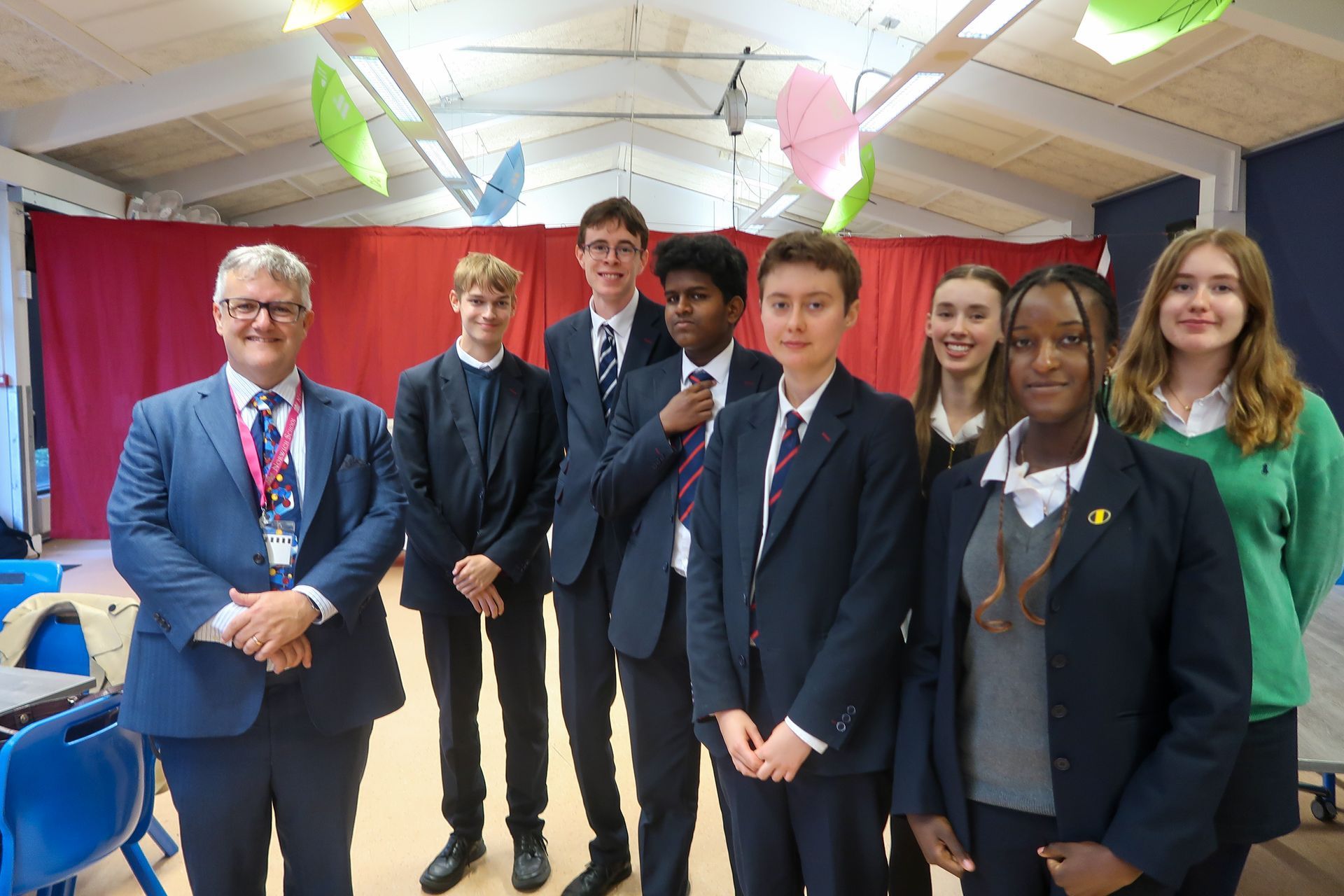
An Eye-Opening Assembly from Mr Robbins about Friendship

May 20, 2026

One day, someone was walking down the street when they fell in a hole. The walls are so steep they can't get out.

A doctor passes by and the guy shouts up, 'Hey you. Can you help me out?' The doctor writes a prescription, throws it down in the hole and moves on. Then a priest comes along and the guy shouts up, 'Father, I'm down in this hole can you help me out?' The priest writes out a prayer, throws it down in the hole and moves on.


Next, a teacher comes along and the guy shouts up, ‘Miss, I’ve been stuck here so long, can you help me out?’ The teacher gives a quick lecture on how to get out of the hole and moves on. Then a friend walks by, 'Hey, Joe, it's me can you help me out?' And the friend jumps in the hole. Our guy says, 'Are you stupid? Now we're both down here.' The friend says, 'Yes, but I've been down here before and I know the way out.”


Character triumphs over talent.


The concept of friendship appears simple on the surface, they’re just our ‘friends’. But what makes a good friend is hard to define and easy to debate. It’s something human beings have been pondering over not just for centuries but for millennia. Aristotle outlined three kinds of friendship: a friendship of utility, a friendship of pleasure and a friendship of virtue. For the first two, both these types of friendship are dependent on a particular good or pleasure, take that away and the friendship crumbles. Friendships that are built upon virtue take time and energy on both sides, but they last.


Wind the clock forward a couple of thousand years and psychological studies often reveal that the most sought-after trait in a friend is ‘honesty’. People are looking for someone in their lives who is there to co-operate and support, however, this would not be possible if a friend is dishonest, unreliable, and exploitive.


Yes, we seek other qualities in a person such as kindness, availability and just generally being pleasant to be around, but to a large degree, these are objective. Instead, I encourage you to reflect on what your moral values are and see which ones you share with those around you; you might just find a friend.


These moral values are fixed in their nature, but dependable and flexible on the context. For instance, I value people who are good fun to be around and positive in their outlook on everyday life. However, we cannot be this way all the time, life throws up challenges, holes in the street… and at those moments I need that same person to just as easily be empathetic and understanding. Likewise, if you value loyalty in a friend, someone who will be by your side no matter what, then I would also encourage you to allow that same person to challenge you & for you to challenge them. Friendships need to offer us some resistance when our behaviour doesn’t match our shared, unwritten values. These should not be seen as contradictions, merely the importance of adaptability whilst protecting the core strength of our support network.


Recently, a friend reached out to me after a period of little contact, asking how I was. I explained I was finding things tough, overwhelming, scary. The very next evening, he and two other friends were on a train to come and see me. To listen, to support, to give me some small respite from a darkening world. Simply being present was a small act that went a long way to helping me out of a hole.


So, the next time you find yourself unfortunate enough to be walking down a street and you fall into a hole, hopefully you can be reassured that you won’t be down there alone or for too long.
By Sonja Mitchell • October 7, 2026
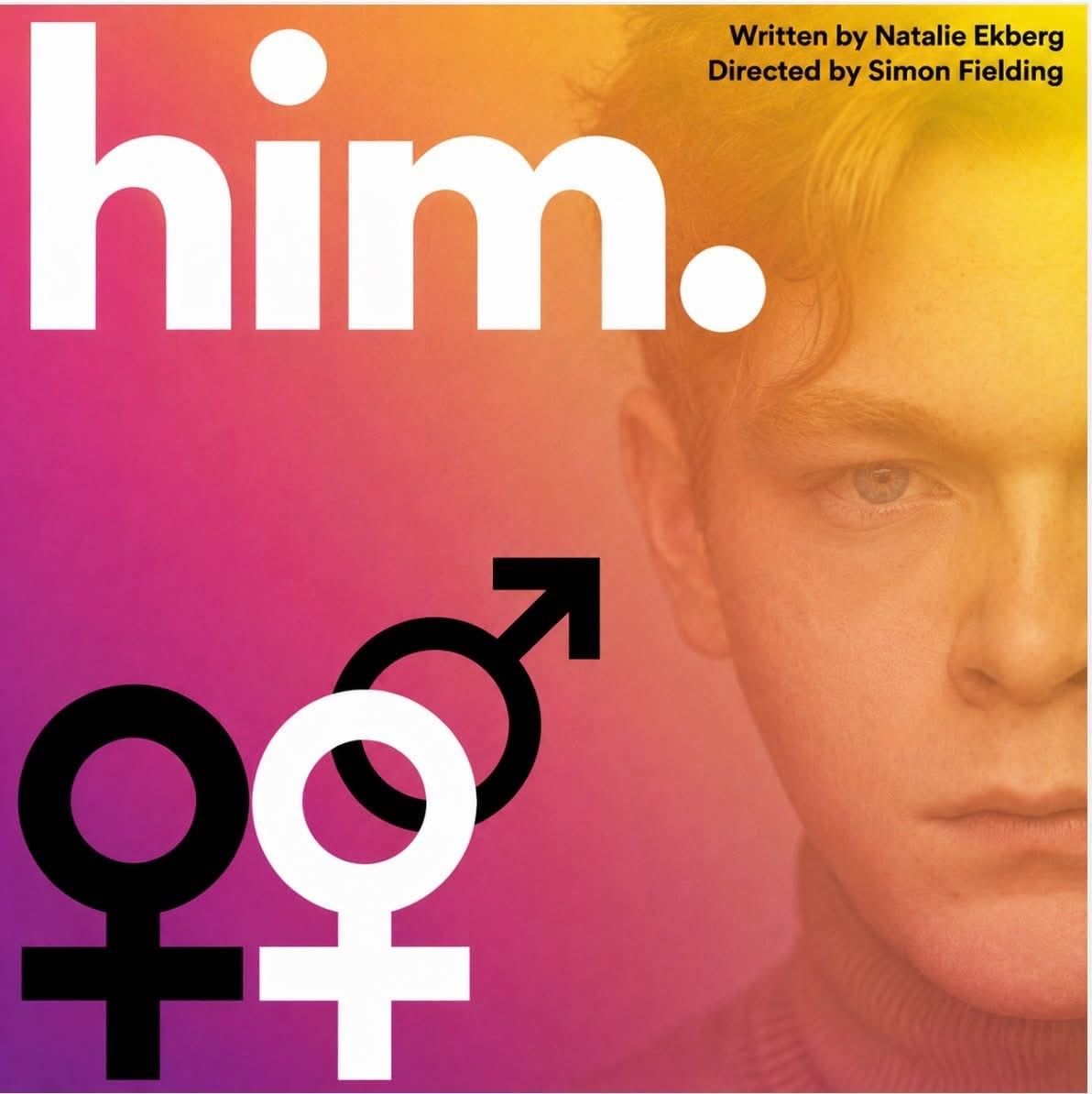
Head to the Union Theatre in Southwark from 19 - 30 October.
By Libby Cringle • October 7, 2026
This year’s World Mental Health Day theme is ‘ Lived experiences heard; real voices, real change ’. This means creating opportunities for people to influence decisions, co-design services, strengthen peer-led approaches, and challenge stigma. The World Health Organization is highlighting the move towards community-based, person-centered mental health care. In light of this, we decided to play a game and see what you all think when it comes to statistics surrounding mental health. Swimming and cycling are scientifically proven to be the best sports for your mental health, but which do you think is more beneficial overall? Swimming Why is talking out loud about your emotions so good for your mental health? Lowers activity in the brain’s fear and stress center (amygdala) Maintaining a balanced diet is key to positive mental health, but which fruit is considered best for mental wellbeing? Blueberries What bedtime does the NHS recommend for adults to achieve the best possible wellbeing? 10pm-11pm Why is getting a good amount of sleep so important for your emotional wellbeing? Allows the brain to process emotional experiences Singing is a great stress relief as it allows the brain to release endorphins and serotonin; this is why we do it so often. How many times does the average person sing a day without even realising? 6-10 What instrument has been shown through experiments to be the most soothing to people? Human voices Your brain is in constant communication with your body, but what body part does your brain talk the most to? Your Gut Thank you for playing! As you can see, there are many factors that affect your mental health, and many are easy to implement in your day-to-day life.  For example, staying active is vital in maintaining personal wellbeing. We’ve already established swimming is great for you, but other sports such as cycling, running, dancing, martial arts and walking are all wonderful (less wet) ways of releasing endorphins, lowering stress hormones and regulating sleep patterns. Furthermore, team sports create a powerful sense of community that teaches us how to lower personal pressure and share responsibility. Pairing this with a balanced diet allows us to stabilize our moods, fuel our brain, and strengthen our ability to retain memories. Sleep is integral to so many aspects of mental health. It processes feelings, acting like a natural therapy session for your mind. It also controls reactions, as rest calms the brain's emotional centre, so small problems do not feel huge. Sleep even saves your memories by moving important facts and events from short-term to long-term storage. With House Shout coming up, let's highlight some of the ways singing is beneficial to mental wellbeing: Singing releases happy chemicals that improve your mood and lower stress The deep breathing required for singing helps reduce cortisol, a hormone linked to stress and anxiety Focusing on the lyrics, pitch, and breathing pulls your mind away from worries and keeps you in the present moment As well as the fantastic pastoral network within school, there is also a wellbeing infrastructure throughout Norfolk and Suffolk that is accessible to all. Local wellbeing hubs are there as a safe space to both receive and offer support to your community. The Reading Well Scheme at Norfolk Libraries offers mood-boosting books and quiet spaces, that give you time to read on how to better support yourself and others. Menscraft is another local charity that focuses on men's mental health through hands-on projects that aim to bring the community together. This term, the charity we are supporting is Finnbar’s Force. They are a dedicated children’s cancer charity focused on empowering children and their families across Norfolk, Suffolk, and Cambridgeshire. Support extends throughout these regions and beyond, providing crucial information, free therapies, emotional care, and practical assistance. Reflecting on this years theme of ‘ Lived experiences heard; real voices, real change ’, let’s think about the lived experiences for these children and their families and support this cause by donating to home clothes day, which is being held this Friday. Come in home clothes and please donate to this worthy charity. American writer D. Elton Trueblood once said, ‘A man has made a good start... when he plants shade trees under which he knows full well he may never sit.’ The message of our assembly today echoes this sentiment. Like trees, the positive habits we plant in our day-to-day lives creates real change to a better environment not only for ourselves, but all those around us. So remember that the small things we do, for ourselves and for others, can grow into something much bigger. By taking care of our wellbeing and supporting those around us, we can create the positive lived experiences that the World Health Organization is promoting.
By Eleanor Lewis • October 6, 2026
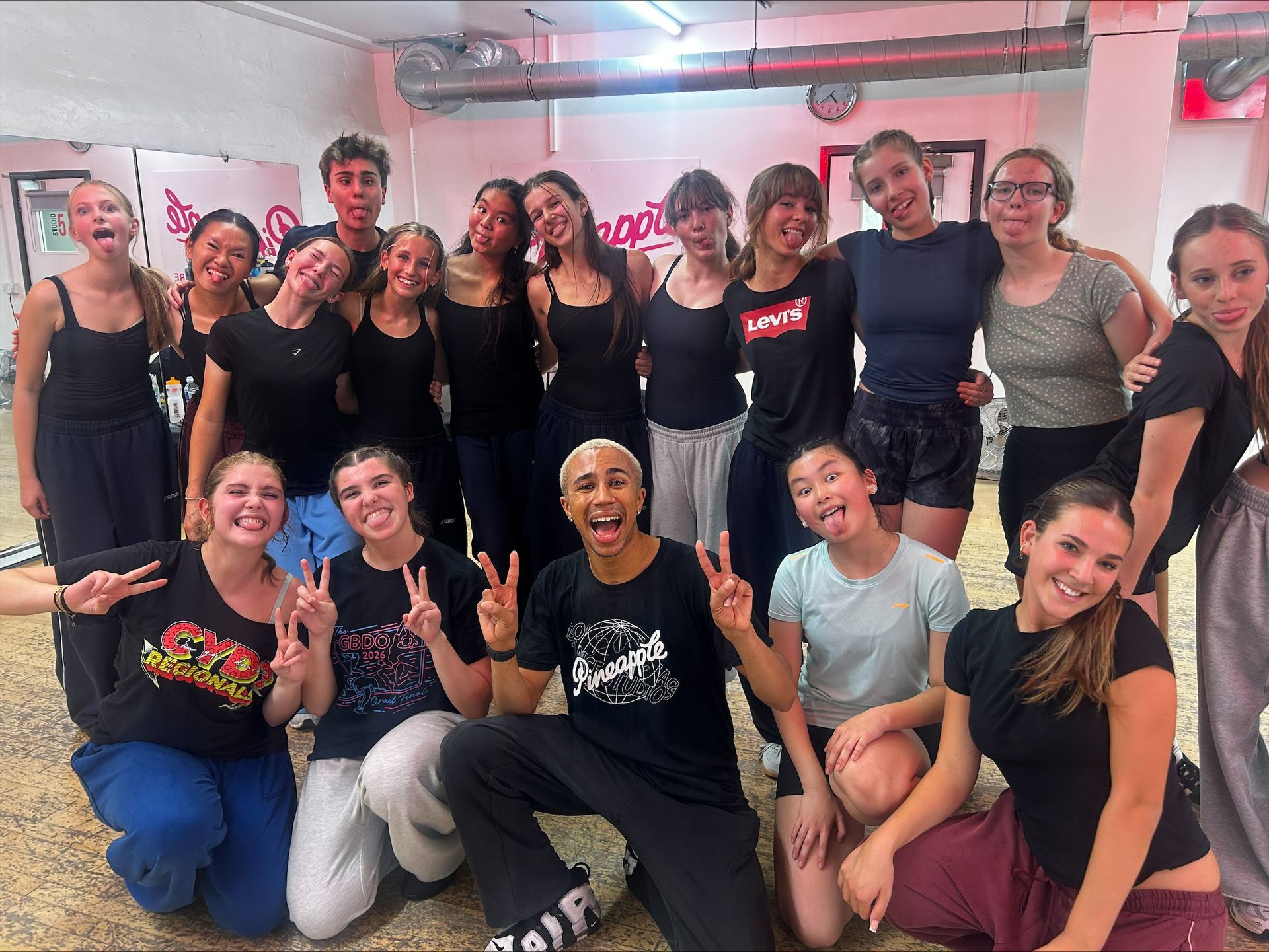
Our GCSE Dance pupils had an amazing day in London, taking part in exciting Commercial and Musical Theatre workshops, followed by tours of leading dance conservatoires, giving them a valuable insight into future opportunities in dance and the performing arts.  To finish an action-packed day, pupils enjoyed an incredible evening watching SIX the Musical in the West End! A fantastic experience filled with inspiration, learning and plenty of dancing!
By Eleanor Lewis • October 5, 2026
On Friday 2 October, we held our largest and most successful Academic Scholars’ Dinner to date. Nearly 90 Academic Scholars from Middle 5 to Upper 6 gathered in the Blake Studio to hear a fascinating talk by scientist and educator Crawford Kingsnorth, intriguingly titled Death, Dinner or Doolally. What followed was a captivating journey into the world of mushrooms and fungi. Pupils were introduced to the remarkable scale, complexity and apparent ‘intelligence’ of fungal networks, discovering a wealth of intriguing facts, exciting scientific developments on the horizon, and the potentially deadly consequences of some species. Crawford also spoke about his current research, which is currently patent-pending. While understandably unable to reveal too much at this stage, he gave us a tantalising glimpse into work that we look forward to hearing more about in the future. The talk concluded with a wide range of thoughtful and insightful questions from pupils before everyone moved to the Refectory for an excellent meal. This provided a valuable opportunity for scholars to continue conversations with our speaker and with one another in a relaxed and convivial setting. We are extremely grateful to Crawford for joining us as this year’s speaker. His presentation gave pupils an insight into a fascinating and often overlooked area of science, while also drawing connections to history, geology, medicine and law. It was a perfect example of the intellectual curiosity and cross-curricular thinking that our Academic Scholars programme seeks to encourage and celebrate. Thank you to Alice Y and Iris B for their photos of the evening.
By Eleanor Lewis • October 1, 2026
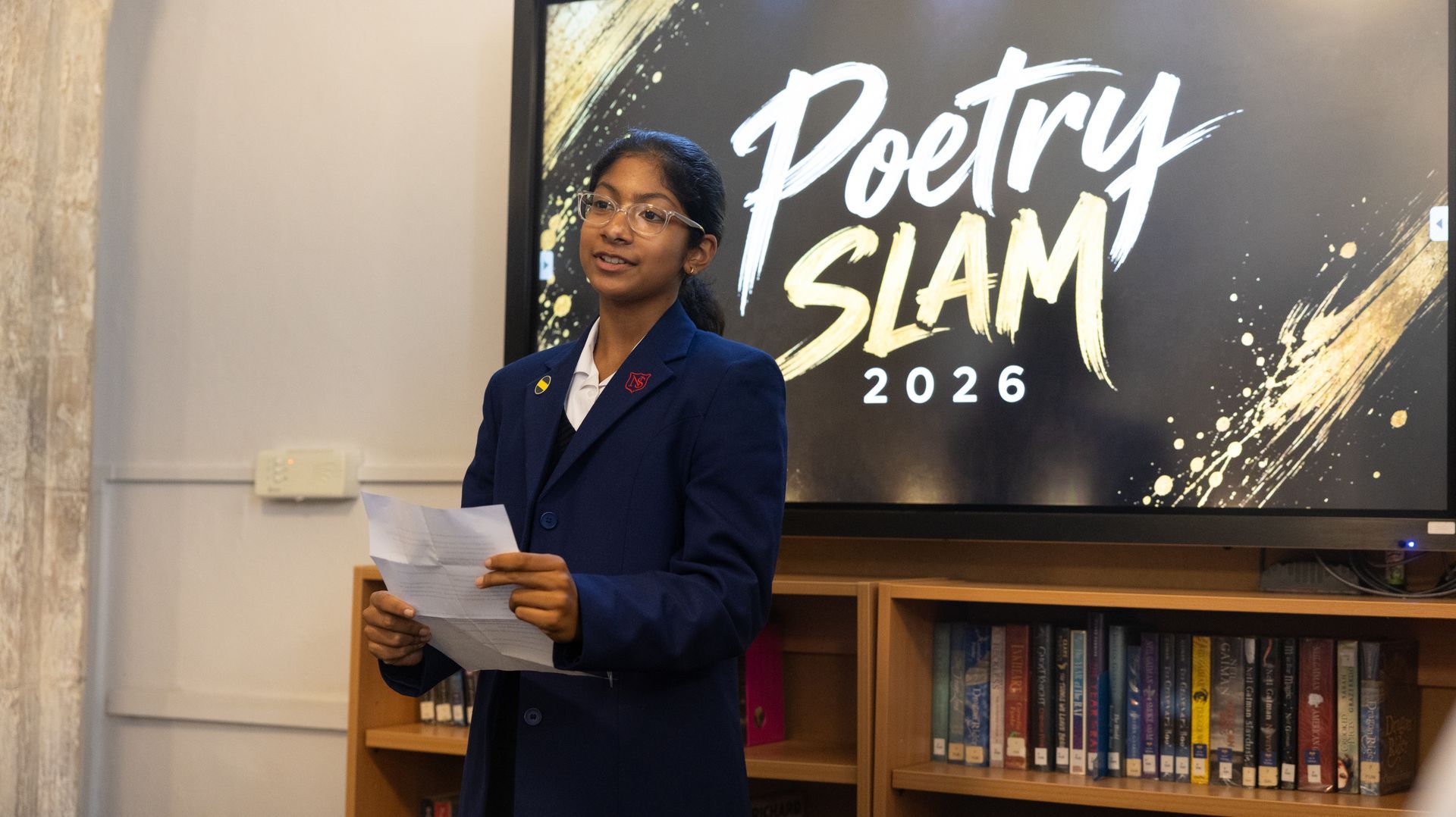
On Thursday 1 October, the Library Department celebrated National Poetry Day with its annual Poetry Slam. A number of pupils took to the stage to perform, sharing both original poems and works by established poets and writers. The event provided a platform for pupils to express themselves through the spoken word, with performances covering a wide range of themes and styles. Those in attendance were highly supportive, creating a warm and encouraging atmosphere throughout. It was a wonderful celebration of literature, creativity and pupil voice, and a fitting way to mark National Poetry Day.
By Eleanor Lewis • September 29, 2026
My experience with languages ~ Belek M Reflecting on a memorable week at the Goethe-Institut London
By Sonja Mitchell • September 29, 2026
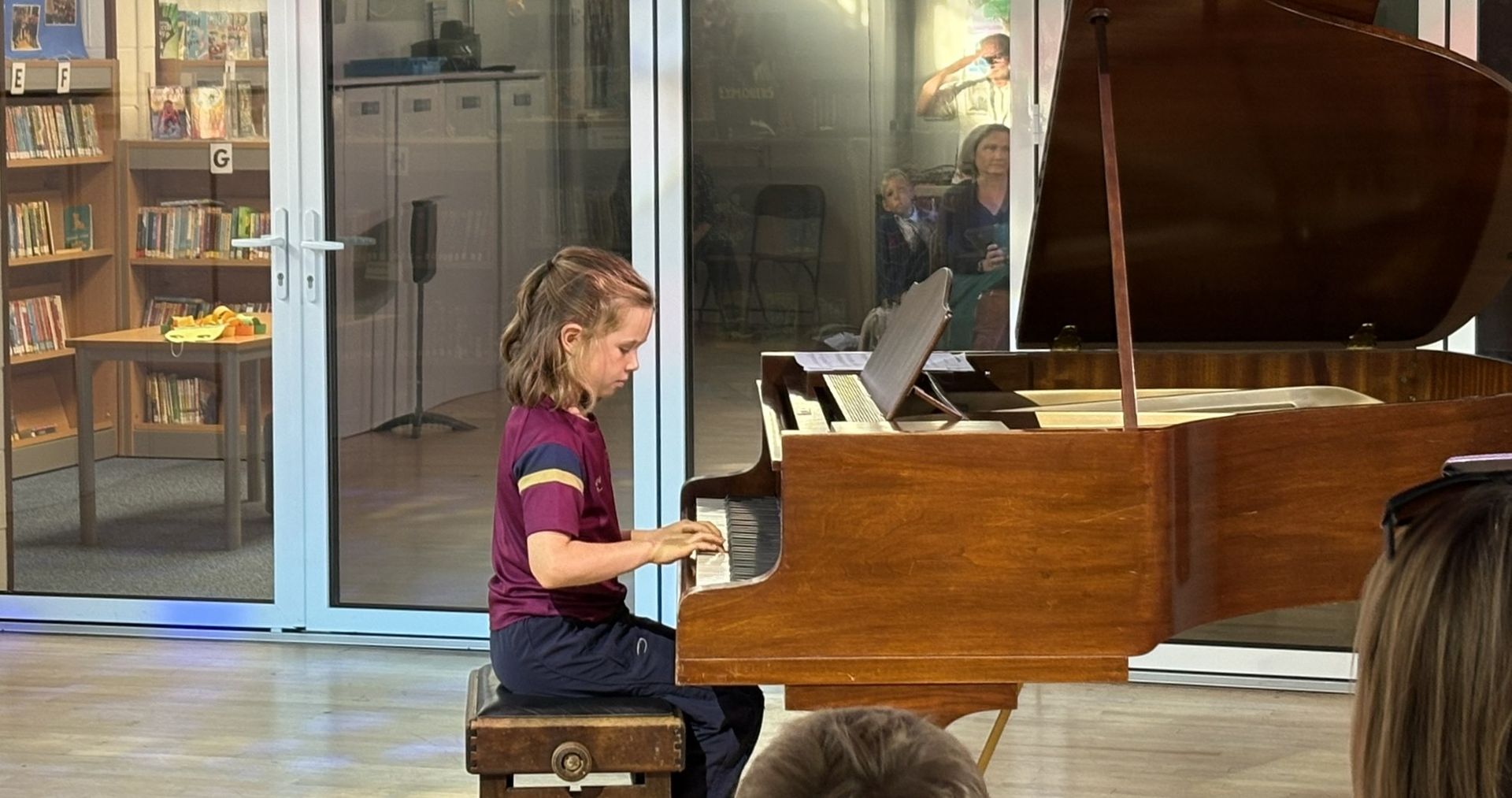
Our Lower 3 pupils took to the concert platform in style with a fantastic Lower 3 Informal Concert , showcasing an impressive range of instruments, musical styles and performances. The programme had something for everyone, from the cheerful piano bounce of Pauline Hall’s Merry Go Round and Beach Calypso , to the elegant Gavotte by Jean Baptiste Lully on cello. We also heard a beautiful Allegro from Violin Concerto by Rieding, alongside Barbara Arens’ playful Hug a Pug . There was plenty of musical character too! The trumpet brought some wonderfully dragon-like drama to Jaap Kastelein’s March of the Drunken Dragon , while the cello took us into the magical world of Zelda’s Lullaby by Koji Kondo. The violin also had its moment with the lively Fiddle Faddle , and the concert took a festive turn with Carol of the Bell s. And, proving that it is never too early for Christmas, we even had a spirited performance of Jingle Bells on the piano! Director of Music for the Lower School Mr Vine said "what a brilliant evening of music making, lots of fun and brimming with confidence. Bravo to our Lower 3 performers" Our next Informal Concert is on the 8 October and will feature pupils from Lower 2 and Upper 2.
By Sonja Mitchell • September 28, 2026
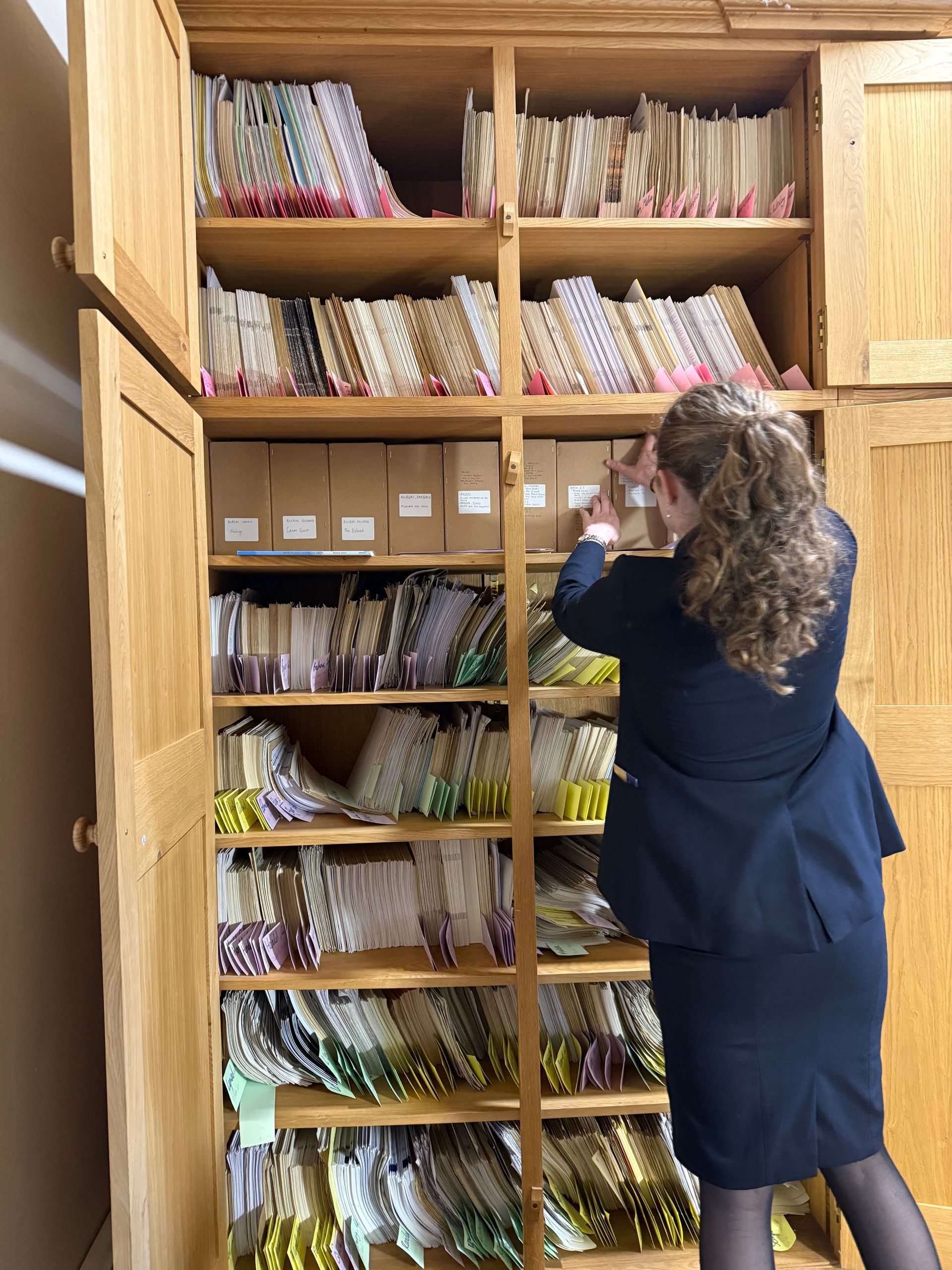
With funding from the Friends of Norwich School, thousands of music sheets can be stored and managed more effectively.
By Sonja Mitchell • September 28, 2026
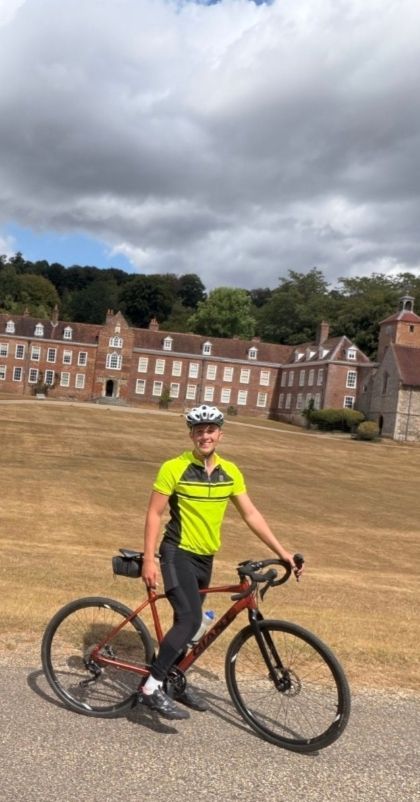
This November, Tom is taking part in Ride25, raising money for 1moreChild.
By Eleanor Lewis • September 25, 2026
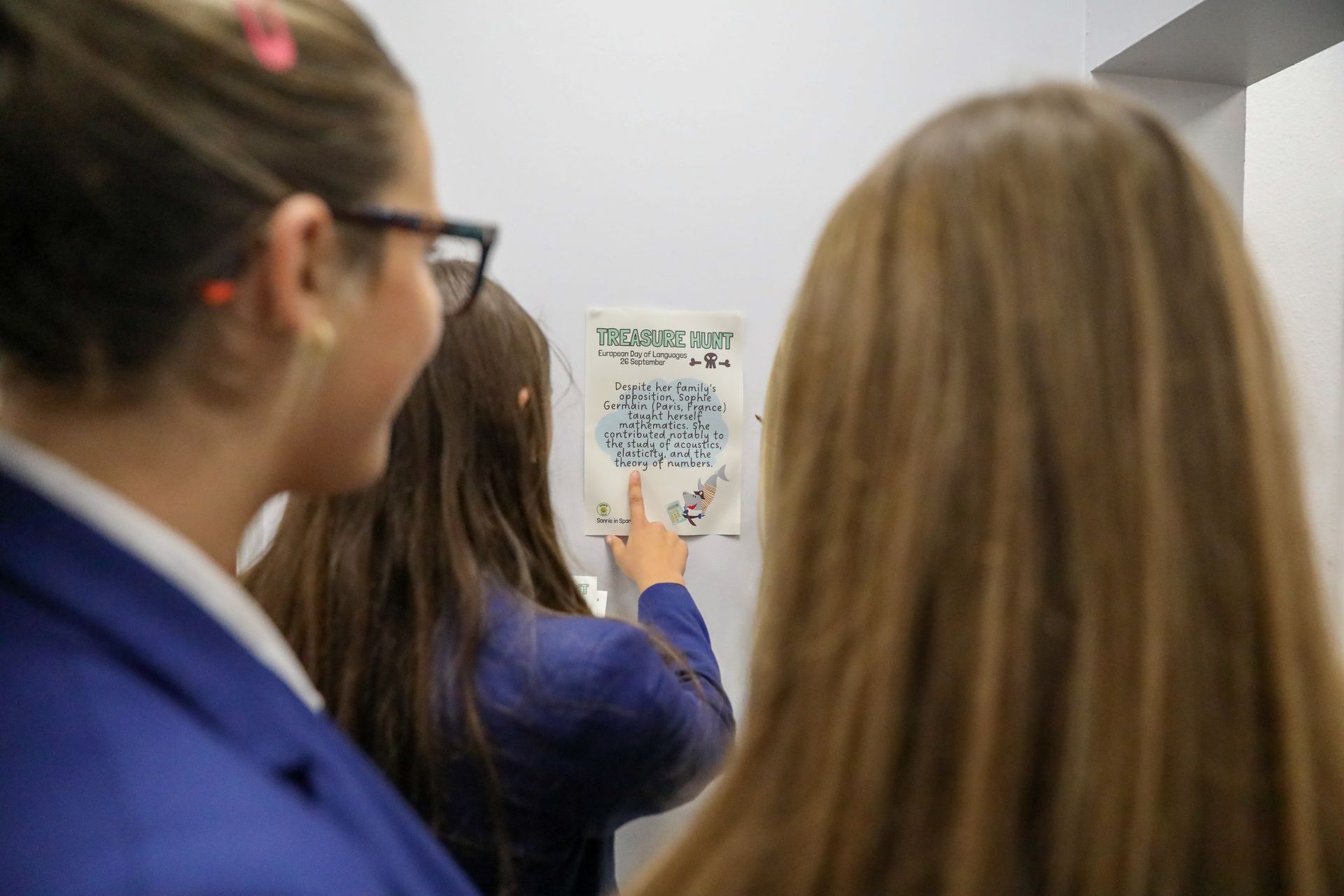
On Friday 25 November, Norwich School celebrated the European Day of Languages throughout the Senior School! This year, a treasure hunt was held in tutorial which sent the the whole school running around to find the answers. At breaktime, pupils enjoyed playing a range of boardgames in the Blake Studio and the refectory served an amazing lunch with three types of German sausages with sauerkraut or a very authentic paella!
More Posts