Start of Trinity 2026 - Head's Address

April 23, 2026

Welcome back – I hope you have a good break and are feeling energized for the final term of the year ahead. As ever, the weeks that lie before us fall into two distinct categories: first there is the rigour and discipline of drawing course material together as we prepare for assessments, whether external or internal; second is the joy of exploring opportunities in the post-exam period towards the end of term. 


My main advice as you approach the term is to make a connection between the two parts of term by establishing a routine that allows you make the most of both. Creating habits or behaviours that work for you are crucial. Keep balancing your academic focus with time to relax, particularly through physical activity and a strong sleep routine. Keep a sense of purpose in each activity; certainly be clear on what you are trying to achieve when you sit down for a session of revision and how it fits into your overall plans, but also be clear on the times when you want to get away from work, whether by organized co-curricular activities here at school or your own pursuits. Feeling guilty for not working is emotionally draining and should be avoided: either work or give yourself permission to have a break from work. 


Overall, you cannot control outcomes but you can control the process and, if you can be proud of what you have done to prepare, there is every chance that you will achieve your academic goals; even if you do not achieve them, you are likely to be able to accept the outcome because you gave a good account of yourself in the build-up. No short cuts, just solid, honest preparation. If you are struggling with this, let us know so that we can help to get you back on the right path. Good luck to you all! 


Another dimension in this process is perspective; no matter how much you want those grades or that mark, how you conduct yourself during the process and what you are establishing for yourself in terms of personal and shared values will always be more important for me than any particular score. Love, compassion and inclusion are key; nor should they be taken for granted, whether by you as individuals, by us all as a school, or indeed further afield because of the fact that we happen to live in a democratic country. 


The Varieties of Democracy Institute based at the University of Gothenburg in Sweden conducts an annual survey of the state of government around the globe. It found that 72 percent of the world's population now lives in autocracies – the highest level since 1978. In 2024, 45 countries were moving toward more autocratic government across the globe. In these nations, the patterns were similar – erosions in areas such as: freedom of speech, open elections, the rule of law, judicial independence, civil society and academic freedom. Governments expanded their power over institutions and individuals. It didn't happen in the same order or at the same speed, but in the end the destination was the same. 


My point is that people in the United Kingdom should be sensitive to the fact that so many other people on the planet have daily routines in political systems very different from our own. This divergence can be translated into the digital sphere, too, with the proliferation of extreme content making it increasingly possible for adversarial and hostile exchanges to take place because people see the world so differently. 


I am sure many of you have seen or have been made aware of the recent Louis Theroux documentary, Inside the Manosphere. This has brought to the attention of a wider audience the strength and extremity of opinions being expressed by the influencers profiled and others like them. For me, it was not so much what they said, it was their popularity and the implied normalisation of what were undoubtedly extreme views. 


For clarity, at Norwich School I expect the values of love, compassion and inclusion to be applied equally to every single member of our community, regardless of their sex and sexual orientation. Part of this is practical: we are bound in the UK by The Equality Act and it is an offence to discriminate against protected characteristics such as race, religion, age, disability and, for our focus today, sex. If we as a school and you as individuals get this wrong, there will be consequences. However, for me respectful treatment of others is more profound than that: whether it is the biblical advice of loving one’s neighbour as oneself, the principle of a PSHE classroom to have unconditional positive regard, or our school’s values of love, compassion and inclusion, I want each of you to brighten rather than undermine the day of those around you through your conduct. 


There are a number of possible challenges to the views espoused in the Theroux documentary, but one is the general “othering” and alienation of one sex by the other: men like this; women don’t like that. It has always been a staple of prejudice to establish dislike of a group of people through clumsy and inaccurate stereotypes which preclude a need for greater understanding. Indeed, one of the most chilling aspects of the documentary was the increasing use of antisemitism used by manosphere influencers to explain global financial inequities. 


That sort of stereotyping is harder to do when “the other” are real individuals alongside you in the same school community. As soon as someone tries to say, “Girls are like this and boys are like that,” it would be easy to identify members of our community who differ from such stereotypes: “That’s not what she likes and that’s not what he is like”. When you talk to any one of our pupils, whether male or female, you will get an individual with their own talents, interests and aspirations. For me, the manosphere influencers are wrong and I feel lucky that I work in a community every day that can show why. 


If anybody wants to talk to me about these issues in our community’s context, I am more than happy to do so. As you know, I am available to see any pupil from 8.15am on any morning except Tuesdays. I believe it is one of the great privileges of being in a co-educational setting that boys and girls get to practise appropriate behaviour with and around each other every day, reflecting on what works and learning from less successful interactions. I am determined that this community uses its privilege to create an appropriately safe environment to discuss these challenging issues in positive fashion. 


As you get started on this term, remember to establish routines that can cope equally with periods of academic revision, other activities and rest. And in all of this, remain true to the values that are at the heart of what we do here: be kind and positive to those around you, noting the injunction of our bible reading: “Let us consider how we may spur one another on toward love and good deeds, not giving up meeting together…but encouraging one another…” Have a great Summer Term! 



By Sonja Mitchell • November 12, 2026
Congratulations to Paul on his new film The Christmas Dream - out now!
By Eleanor Lewis • November 11, 2026
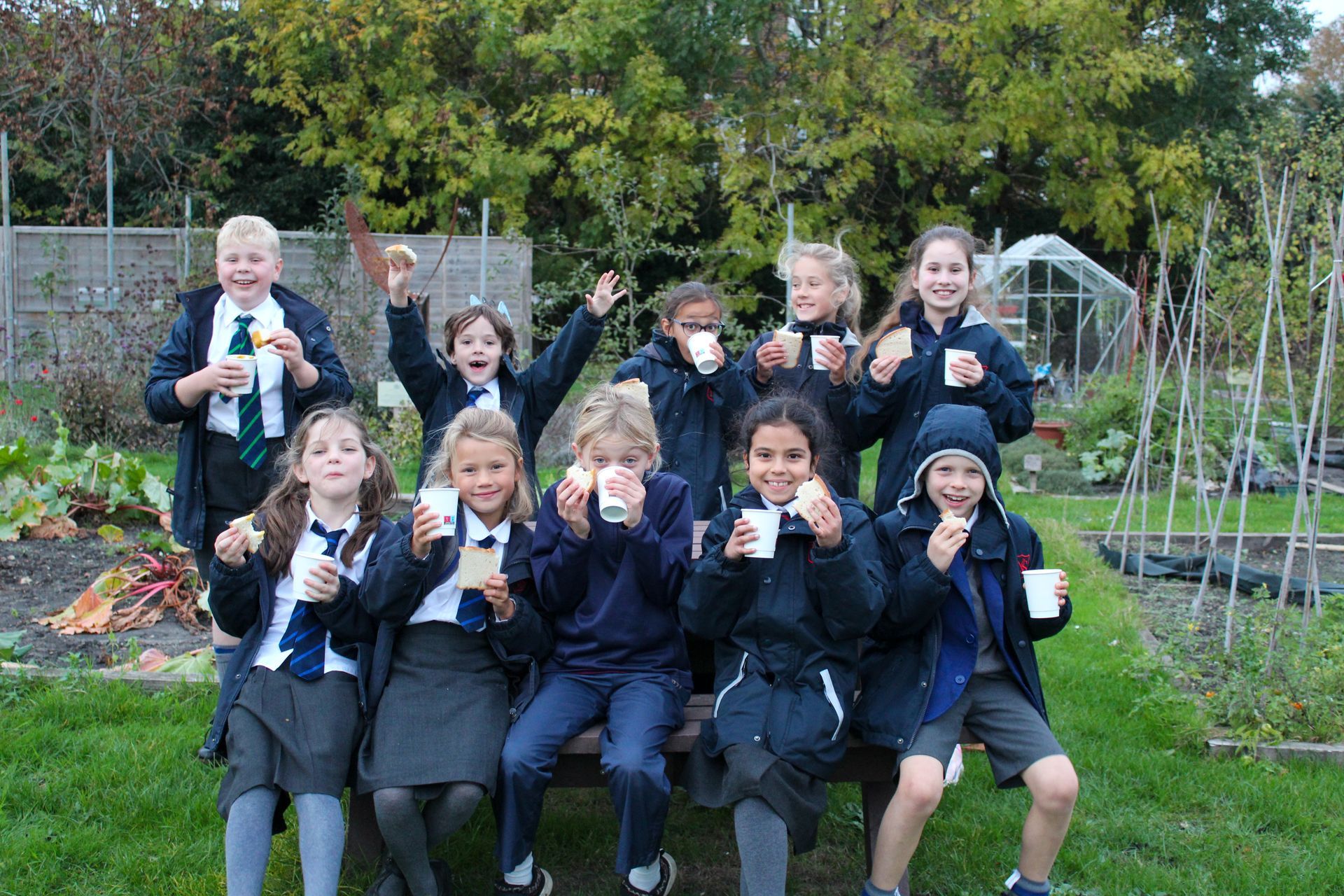
Pupils celebrated the wonderful range of vegetables that have been grown in Little Roots this year with a special 'From Seed to Soup' event in the outdoor classroom. The highlight for many pupils was tasting a delicious homemade soup made from vegetables grown in the allotment, including pumpkin, carrot and parsnip . It was fantastic to see so many children willing to try the soup and discover just how tasty freshly grown vegetables can be. The celebrations continued with a range of seasonal activities. Pupils enjoyed a lively game of Pass the Pumpkin , which brought plenty of laughter, before heading off on an autumn scavenger hunt . Armed with keen eyes and plenty of enthusiasm, they explored the area looking for signs of the changing season, spotting colourful leaves, seeds, berries and other treasures of autumn. To bring the event to a cosy close, everyone gathered around the fire to toast a marshmallow and enjoy a warming cup of hot chocolate. The 'From Seed to Soup' celebration was a wonderful reminder of the rewards of growing our own food and spending time learning in the natural environment.
By Eleanor Lewis • November 5, 2026
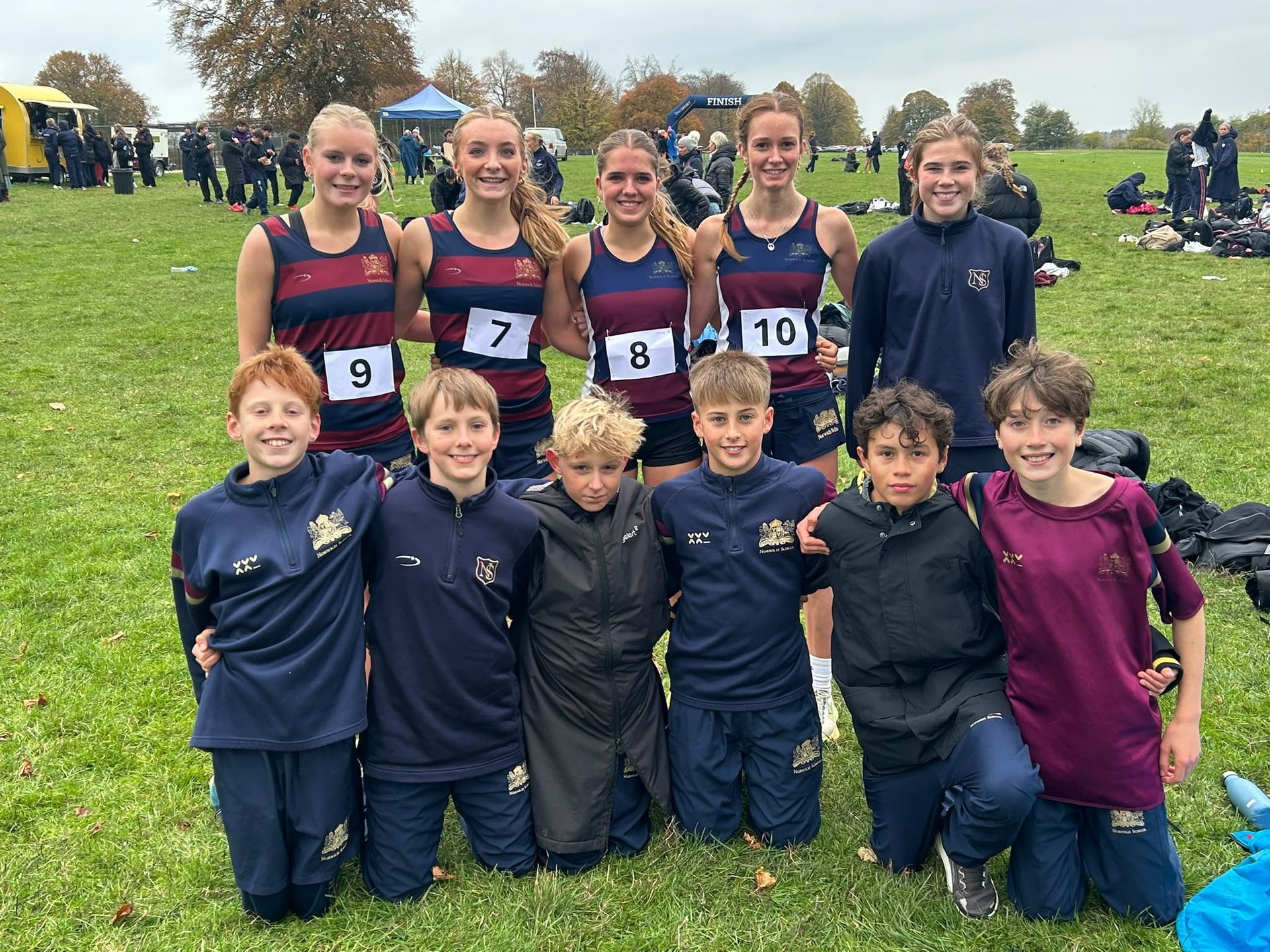
On Thursday 5 November, Junior Boys and Senior Girls cross country teams made the trip to Stowe School in Buckingham for the Regional Final of the English Schools' Cross-Country Cup. The course included short sharp hills, as well as long, gradual climbs and even roaming flocks of sheep to contend with, all within the spacious, rolling grounds of the Stowe School. 104 runners competed in the Junior Boys race over 2.4km. First home for Norwich was Beetle D, coming 18 th overall in a time of 11:37. Sebastian T and Jesse M, both racing up a year, finished in 26 th and 36 th positions respectively. Also successively dodging the marauding sheep were Jonty C in 64th, Max K in 73 rd and Tom MC in 96th. The team finish in an impressive 6 th place out of the 19 competing schools. Emi M was our only runner in the Intermediate Girls' race, over a 3km course. She had the best finishing position of the day, coming 7 th out of 86 runners in a time of 13:13. The Senior Girls all battled strongly on the uphills and picked off runners on the downhills over their 3.4km course. First to finish was Minnie A who came 14 th in a time of 14:46. She was closely followed by Amelie I in 21st, Olivia A 28 th and Bea G 35th. With all 4 finishing in the top half of the field, the Girls came 5 th out of the 12 competing schools. Well done to all who ran so strongly.
By Eleanor Lewis • November 5, 2026
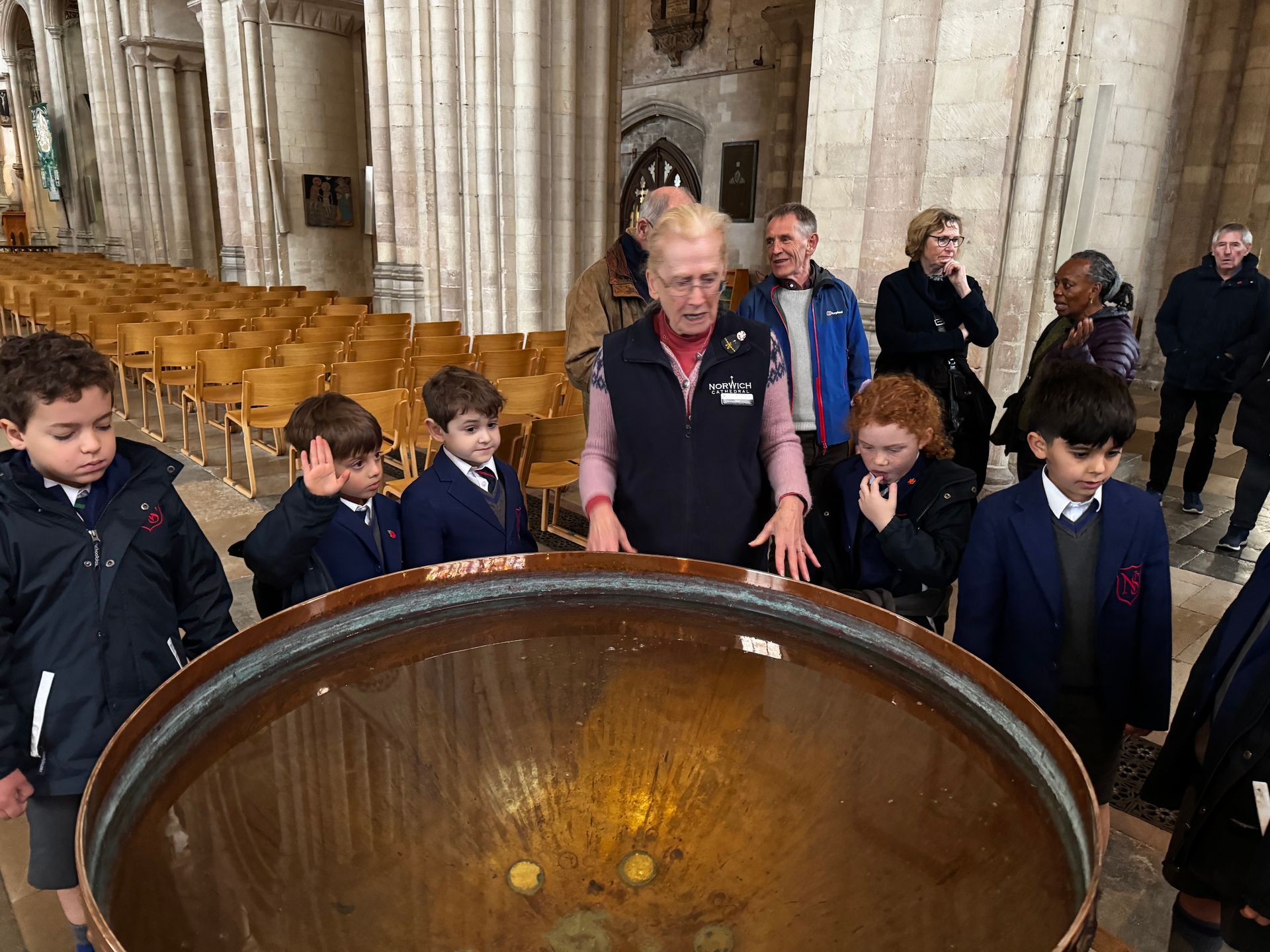
Upper 1 had a fantastic time visiting Norwich Cathedral for ‘The Big Bible Story’! We explored lots of different parts of the Bible, discovering some of its best-known stories. The children loved the chance to dress up as a bishop and learn all about their role as a shepherd, linking this to the wonderful story of the Good Shepherd. We became story detectives, searching the Cathedral’s beautiful stained-glass windows and ceiling bosses for clues about the stories from the Old and New Testaments. We also found out more about two important Christian traditions – Baptism and Holy Communion (Eucharist). There was so much to see, discover and talk about, and we had a brilliant time bringing our Religious Education learning to life! "I liked learning about baptism and looking at the font." - Yuvraj "My favourite bit was the Good Shepherd story." - Roshy
By Eleanor Lewis • November 5, 2026
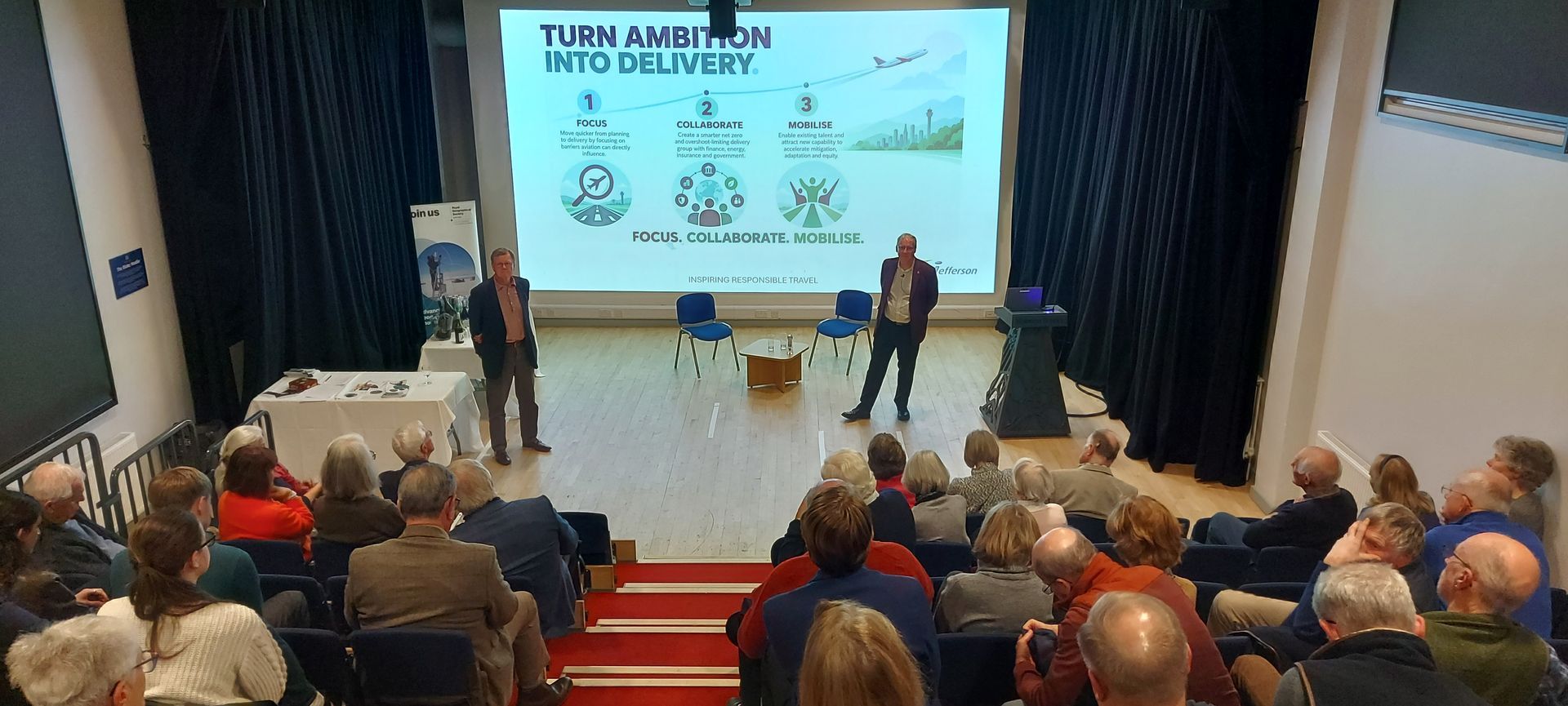
Our series of external lectures hosted by the school continued on 05 November, when we welcomed back on site the illustrious Royal Geographical Society (RGS) eastern region branch for their latest public lecture. A large audience of pupils, ONs, parents, staff, academic staff from UEA and Members/Fellows of the RGS heard from national expert Dr Andy Jefferson on the very topical subject of Sustainable Aviation. Andy is an international expert in this field, having worked for decades with the likes of Rolls Royce, Boeing, BA, plus national governments and agencies. See: A&G Jefferson Ltd . With the help of a beautiful slide deck of meticulously researched and clear slides, Andy took the audience on global aviation’s long journey, in which the UK has played a prominent role in technical and operational advances. His gaze inevitably dwelt on the period from the 1950’s explosion in frequent, low-cost air travel to the huge increase forecasted for coming decades. Acknowledging the substantial contribution the aviation industry plays in CO₂ impacts, and against a backdrop of August 2026 being the warmest month in global history, he shared the industry’s plans to address calls for greater sustainability. This includes initiatives such as flight path planning efficiency, aircraft design improvements, sustainable fuel, and carbon trading. The impact of the Iran war and fuel blockades, coming on the back of the unprecedented upheaval during Covid have only imposed further headwinds. Nevertheless, Andy presented a spirited exposition of technical advances that will lead towards greater sustainability in aviation, especially in propulsion methods (jet fuels from waste products, hydrogen power), aerodynamics (wing airflow modelling, carbon fibre materials, even ‘slick’ paint) and AI to optimise air traffic control. Andy faced intense, and at times frankly sceptical, questioning from climate scientists and chemists in the audience. There was some consensus afterwards over refreshments regarding the need to accelerate technical advances to deliver greater sustainability, as well as a pragmatic acknowledgement that the days of easy, cheap, unlimited flights might be numbered. With a cohort of pupils and students in the audience, all could agree that their generation would require energy, purpose and focus to find equitable and urgent solutions to the issue of sustainable aviation. The final word goes to Head of School Immy C (U6) who commented afterwards: “I really enjoyed the talk and found it fascinating to explore the challenges facing the aviation industry in achieving net zero, particularly the potential and limitations of sustainable aviation fuels. It was thought-provoking to consider how technological innovation, economic pressures and global cooperation intersect, and I’m sure the discussion will be valuable to my Geography studies and future aspirations in this field.” The voice of young people will also be the focus of the next RGS event held on Monday 23 November in the Blake Studio. Back by popular demand for its fifth year, you are invited to hear from pupils from various Norfolk Schools each presenting a 15-minute presentation to a Royal Geographical Society audience showcasing a broad range of subjects in human, physical and environmental geography. It is a valuable educational opportunity for them and a wonderful opportunity for our audience to learn from our youth leaders on important global topics. Speaker come from Hethersett Academy, Notre Dame School, University Technical College, Framlingham Earl and pupil Oscar L. (U5) from Norwich School. A rich spread of topics includes the Sahara Desert, China’s economic policies, the costs of AI, shark finning, biodiversity in agriculture, and the London’s design issues. The evening will be chaired by the ever-brilliant Professor Michael O’Riordan OBE DL FBA, and our very own Dr Anthony Speca FRGS. This is a free event suitable for all senior school pupils and parents, starting at the earlier time of 17:00. All are welcome.
By Eleanor Lewis • November 1, 2026
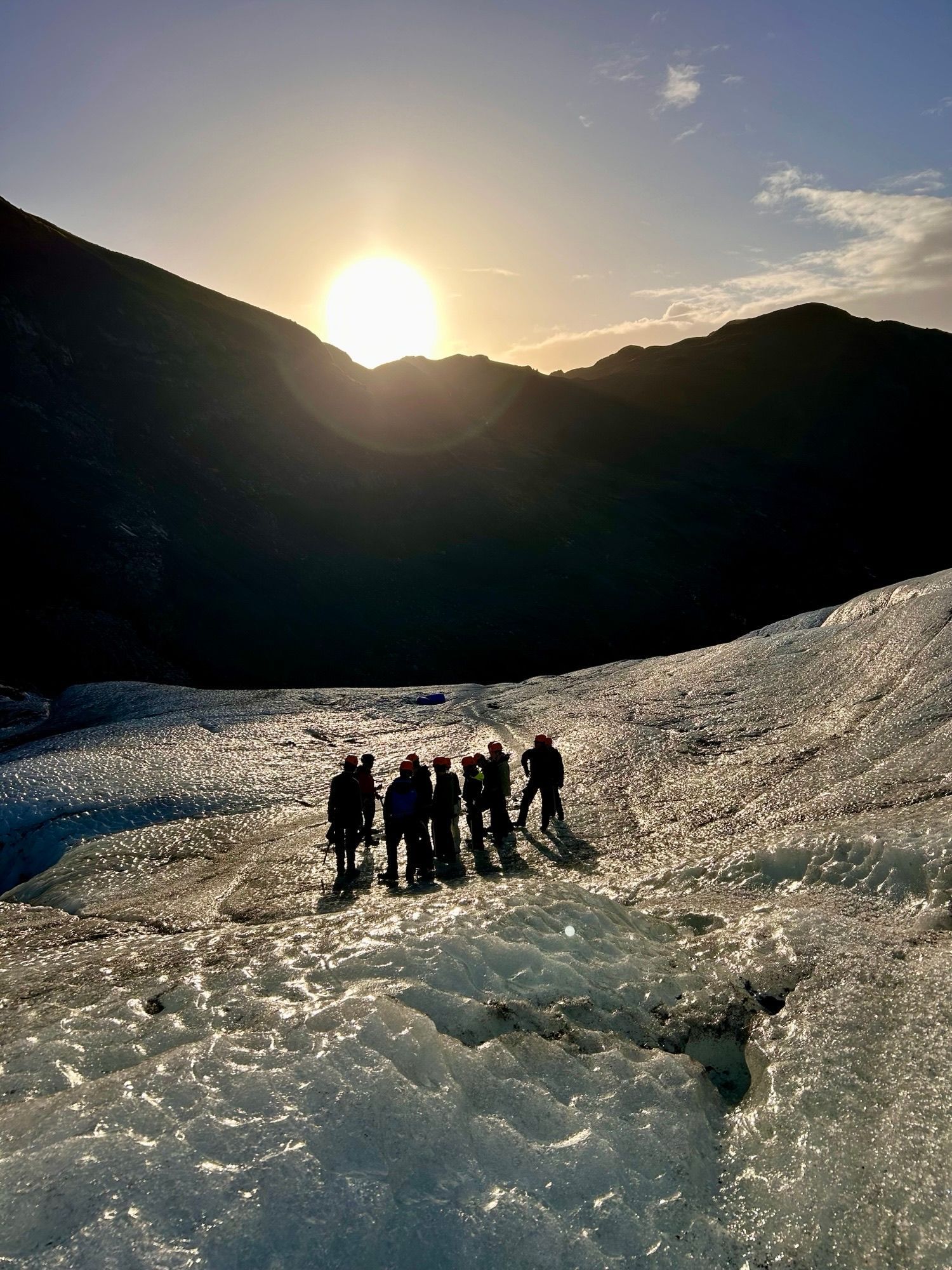
Over half term, 29 pupils and 4 staff spent 5 unforgettable days in a land of fire and ice. Our adventure began, as soon as we landed, at the Bridge between the Continents on the Reykjanes Peninsula, where we stood astride the Eurasian and North American plates as they slowly drift apart. The next day, at Þingvellir National Park, we saw the same rift on a grander scale, in the very place where Iceland's first parliament met in 930. We watched Strokkur erupt every few minutes at the Geysir geothermal area, admired the thunder, spray and rainbows of Gullfoss, and then went underground into the Raufarhólshellir lava tunnel, formed over 5,000 years ago. Day 3 took us along the south coast, past the waterfalls of Seljalandsfoss and Skógafoss, where we saw the falls from different angles, both above and behind! We then travelled to the black sand and basalt columns of Reynisfjara, where the power of the Atlantic was plain to see. In the afternoon, pupils strapped on crampons and helmets and walked on Sólheimajökull glacier. Standing on ice that has been there for centuries, and seeing for ourselves how quickly it is retreating, made climate change feel personal in a way no textbook can. That night, we saw the northern lights! Ribbons of green light danced overhead, as the entire hotel descended into the car park to watch. It is something none of us will ever forget. On our last full day, the Lava Centre explained the forces behind everything we had seen, and we then visited the steaming fumaroles and bubbling mud pools of Hveradalir. After exploring Reykjavík, we watched molten lava flow at the Lava Show and soared over the whole country at FlyOver Iceland, which left us all wanting to come back. On our final morning, we stood beside the still-steaming lava fields of Nátthagi, formed by the recent Fagradalsfjall eruptions, before a well-earned soak in the Blue Lagoon! None of it would have been the same without our amazing guide, Karen. Her knowledge was extraordinary and her passion for Iceland was infectious. She answered every question, however many we asked, and made every landscape feel like a story we were part of.
By Eleanor Lewis • October 23, 2026
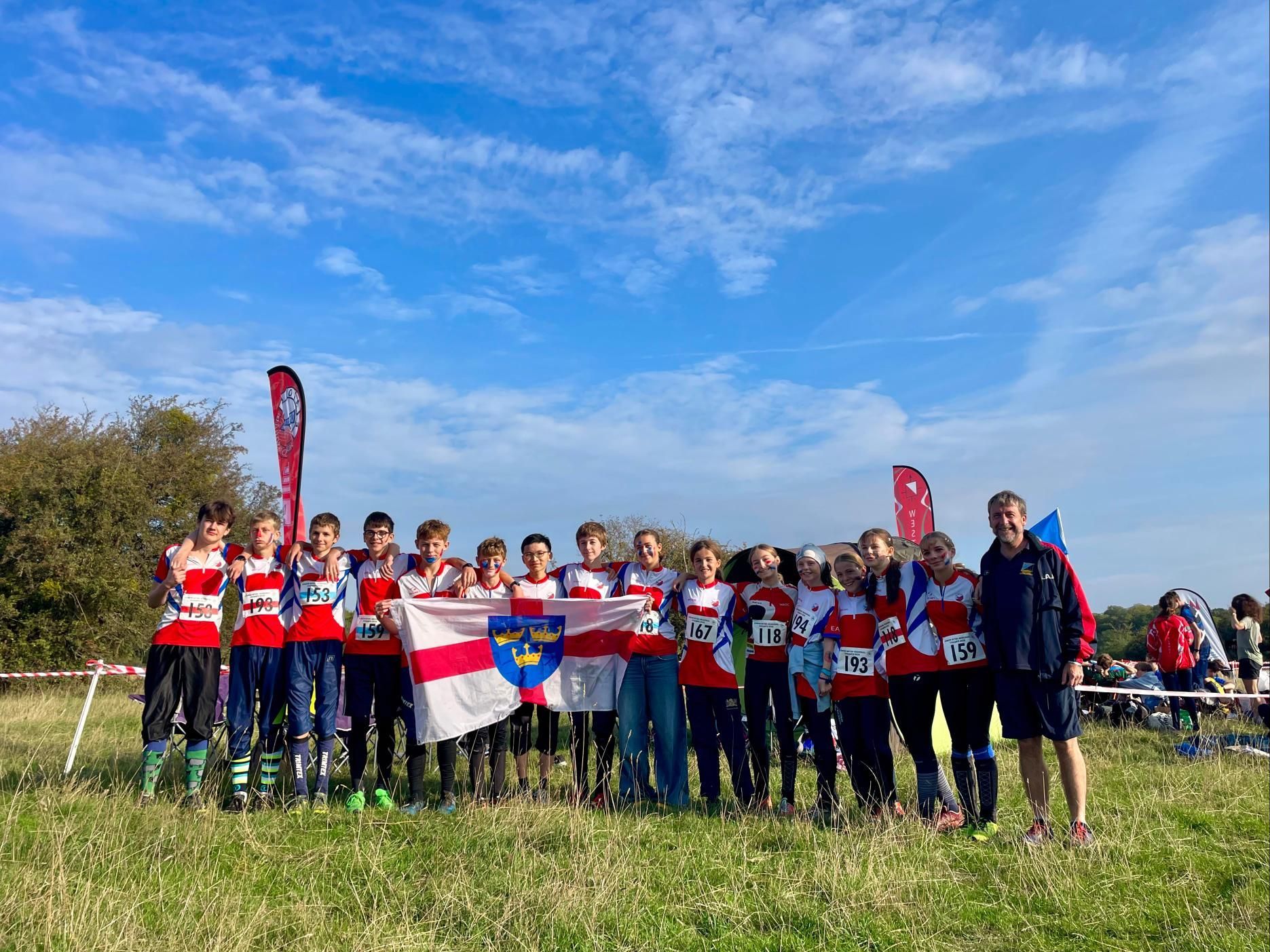
Oscar PW, and Marcus R, competed as part of the East Anglia team at the British Orienteering Junior East Anglia came 7th overall, a fantastic achievement! Here is what Oscar and Marcus said about the event; "This was my first time competing for East Anglia, and I was running up an age category against runners two years older than me. I found the location for the first day quite challenging as there was very little to navigate by in places, which threw me off on some of the controls. I placed in the upper middle of the pack, which was a good result, although I felt I could have done better on another day. The venue for the relays on the second day felt easier to me, and I found the course less challenging. The runner before me in my team had put us in about 18th place, and I think I made a small improvement, taking us to 17th, and our final runner took us to 16th. Across the whole event, EAJS came 7th out of all the teams there, which was a great result considering we were one of the teams with the fewest runners." - Oscar "On the whole it was a very successful weekend for myself and east Anglia. with my individual performance I broke expectations as I was running up an age class, managing to earn an impressive 12th place. As east Anglia were the hosts, we had a good number of runners and a large number of relay teams. I ran the first leg for my team finishing 3 minutes behind the leader meaning we were right at the front of the race after my leg. Overall east Anglia once again performed better than predicted finishing 7th as a team, a very impressive weekend." - Marcus
By Eleanor Lewis • October 23, 2026
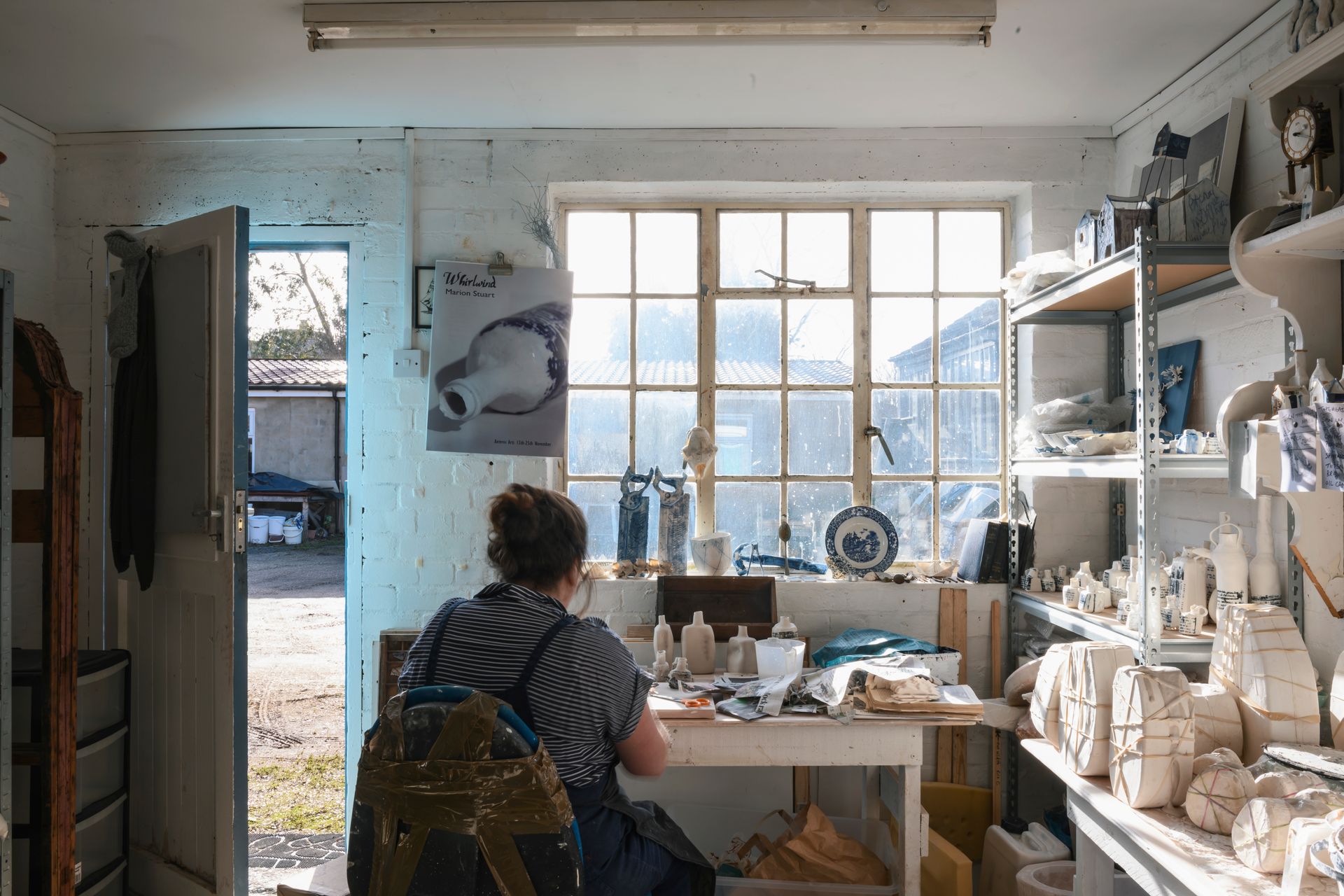
The Crypt Gallery, Norwich, presents Unspoken , a joint exhibition by artists Sophie Eade and Marion Stuart , bringing together new paintings and ceramics shaped by their shared interest in text, transcription, and the quiet charge of language. Working from a thematic starting point of writing , both artists explore how words shift when they move across materials — from page to clay, from conversation to surface, from the spoken to the withheld. Their works carry fragments of text that are often difficult to read, partially obscured or embedded within layers of slip, glaze, paint, and mark‑making. Meaning sits in plain sight, but not always immediately accessible. The viewer is invited to look closely, to navigate the tension between what is said and what is left unsaid. The ceramics in Unspoken hold words pressed, carved, or transcribed into stoneware and wild clays. Some phrases emerge clearly; others dissolve into surface. The paintings echo this approach, using text, gesture, repetition, and erasure to test how language behaves with canvas and colour. Together, the works form a conversation about communication — its failures, its hesitations, and its quiet insistence. Eade and Stuart both work at StudioDo a ceramics space in Norwich , where their studio practice is shaped by discussion, shared problem‑solving, and a mutual interest in how materials carry thought. This exhibition reflects that ongoing dialogue: two distinct practices meeting at the point where text becomes form. Unspoken invites audiences to consider how language is held, altered, and sometimes lost — and how meaning can remain even when words slip out of reach. Exhibition Dates: 24 November - 29 November, 10:00 - 17:00 Private View: 27 November, 17:30 - 20:00
By Sonja Mitchell • October 19, 2026
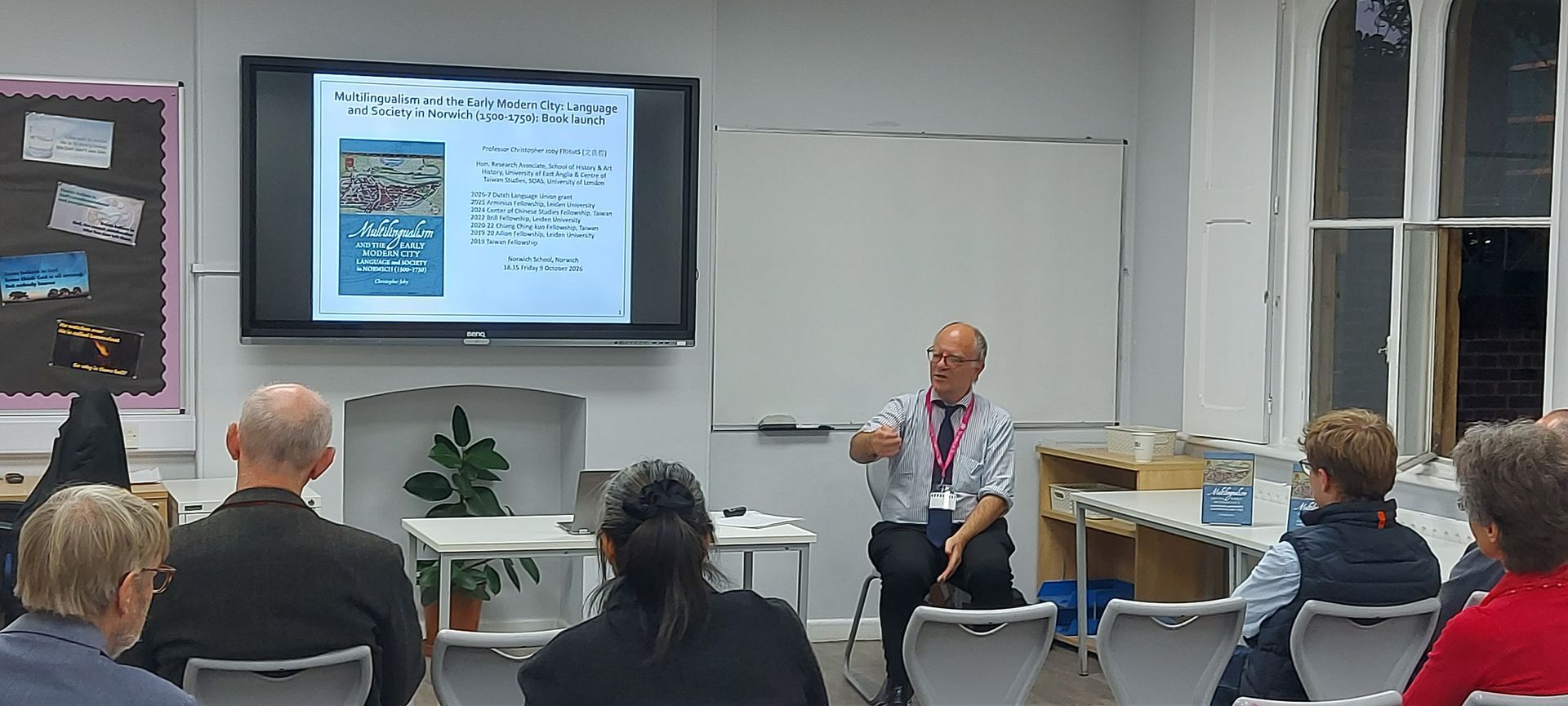
Entitled 'Multilingualism and the Early Modern City: Language and Society in Norwich (1500-1750)', it is a fascinating read.
By Eleanor Lewis • October 17, 2026
We enjoyed another successful residential trip to London with 27 U4/L5 Academic Scholars. The aims of our trip were: To enjoy each other’s company outside of school. To learn more about our capital city- key sites of societal, historical and cultural significance and important works of art. To create links between curricular areas of interest and personal interest and develop new areas of interest. To spend time discussing what we encounter. To use this trip as an opportunity to gather information and exchange thoughts in preparation for sharing project work. Our programme was full and suitably varied with an eclectic mix of visits which included the Bank of England Museum, Dr Johnson’s House, Bow Street Museum of Crime and Justice, Tate Modern and the Foundling Museum. We also spent time completing a treasure hunt in teams around Bloomsbury which enabled us to discover all sorts of hidden gems away from the hubbub of central London. This programme allowed us to consider London from a broad variety of angles- historical, linguistic and societal as well as exploring local policing, the changing role of women and the phenomenal, yet challenging, world of contemporary art. It certainly gave us lots of talk about and reflect on. Project Work this year centres around linking all of the places we visited, whether thematically, through curriculum links or even chronologically. We are really looking forward to seeing what pupils come up with and enjoyed spending time with such an interested group of young people.
More Posts