Spotlight on STEMM: Our Clubs & Societies
March 10, 2026
At Norwich School, learning doesn’t stop when a lesson is over! Our co-curricular programme empowers pupils to explore and experiment – and nowhere is this more evident than in our vibrant STEMM (Science, Technology, Engineering, Mathematics, Medicine) opportunities.
Whether your child dreams of designing the cities of the future, racing an electric car, coding competition-ready robots or pursuing a career in medicine, our clubs and societies provide the platform to turn curiosity into capability!
Hands-On Innovation: Engineering in Action
Greenpower Electric Car Team (L5-L6)
What better way to learn engineering than by building and racing a real electric car?
Our Greenpower Electric Car Team maintains and improves a competition vehicle, racing in heats twice a year. Pupils apply for roles across design, mechanics, electronics, sponsorship and project management – mirroring real-world engineering teams. Lower 6 pupils mentor younger pupils, fostering leadership alongside technical expertise.
Engineering Education Project (L6)
Sixth Form pupils can take part in a six-month professional engineering project, working alongside an industry mentor to solve a real company challenge. The experience culminates in a formal presentation and submission for a CREST Gold Award – a nationally recognised achievement that strengthens university and apprenticeship applications.
CityZen – Civil Engineering Challenge (L6)
Run by in Institution of Civil Engineers, CityZen invites teams to design solutions to complex infrastructure problems in a simulated city. Pupils research, collaborate and present their ideas before tackling a real local civil engineering issue.
From sustainability to urban planning, CityZen encourages pupils to think critically about how engineering shapes society.
Engineering Society – (L4-U6)
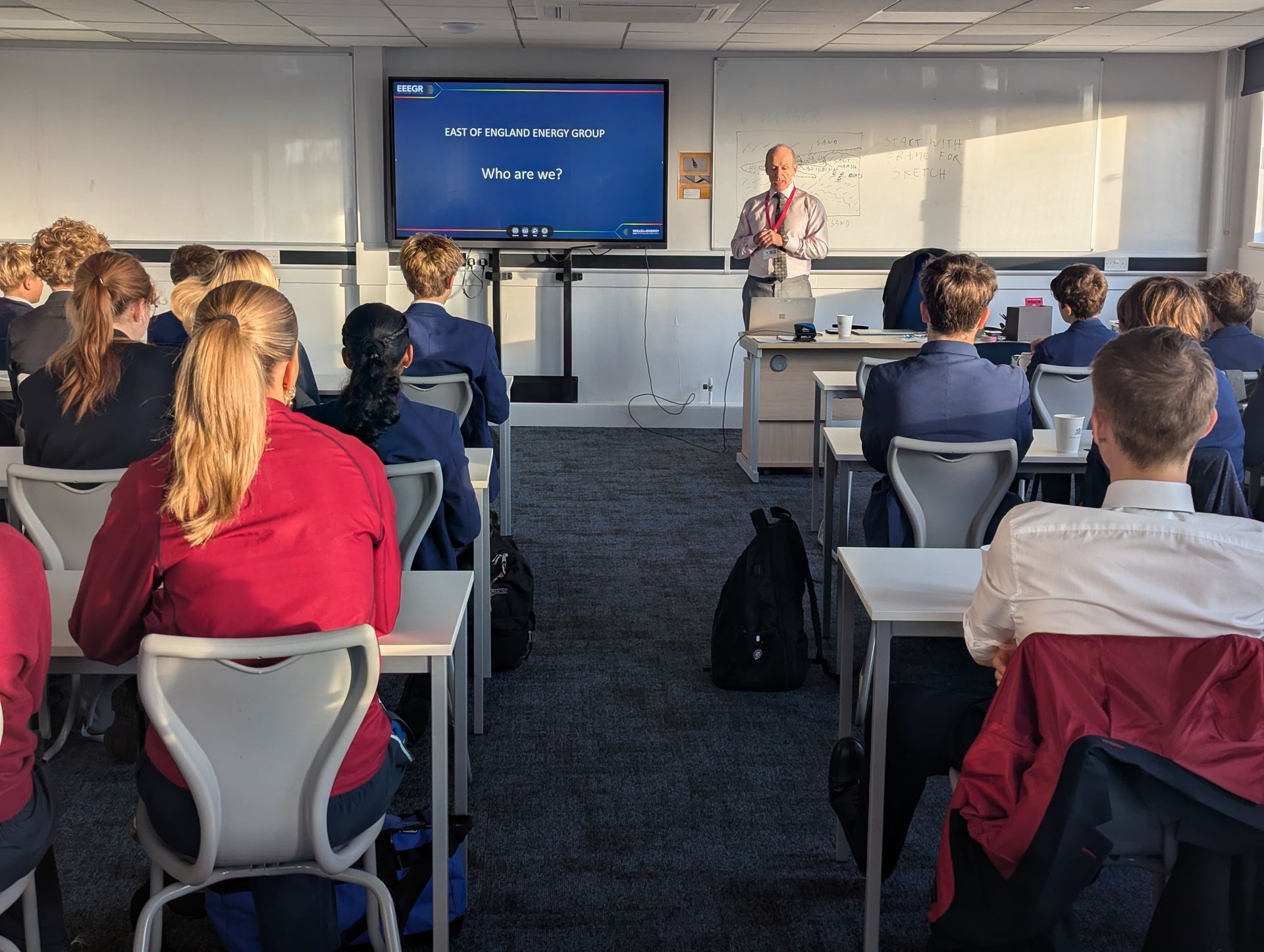
The aim of the Engineering Society is to hear first-hand from engineering professionals, in both academia and industry, about their paths into engineering and specialities. This provides an exciting opportunity for pupils to hear first hand from professionals in the field, allowing them to draw inspiration for their own careers.
Coding, Robotics & Computational Thinking
VEX Robotics (L4-L5)
In VEX Robotics, teams of 4 or 5 design, build and code robots before entering the National Robotic Competition. Pupils develop programming skills, mechanical design understanding and strategic thinking – all while working as part of a high-performing team.
Linguistics & Code Cracking Club (L4-U6)
Combining logic, pattern recognition and analytical thinking, this club explore the fascinating intersection of language and mathematics, Pupils prepare for competitions such as the UK Linguistics Olympiad and tackle code-breaking challenges that stretch the mind.
Maths Club (L4-U6)
From Junior Maths Challenge preparation to STEP and MAT support, out tiered Maths Clubs provide stretch and challenge at every level. Pupils explore mathematical ideas beyond the syllabus, developing resilience and intellectual confidence.
Medicine, Science & the Bigger Questions
STEMM Society (U4-U6)
Our dedicated STEMM Society explore science, technology, engineering, mathematics and medicine beyond the curriculum. Through practical challenges and discussion, pupils broaden their understanding while working towards a credited Youth STEMM Award.
Vet Society (L4-U6)
For pupils considering veterinary medicine, the society invites expert speakers and offers insight into the realities of animal healthcare careers – providing early professional exposure and inspiration.
Intellectual Curiosity & Academic Exploration
STEMM at Norwich School also thrives in our pupil-led academic societies:
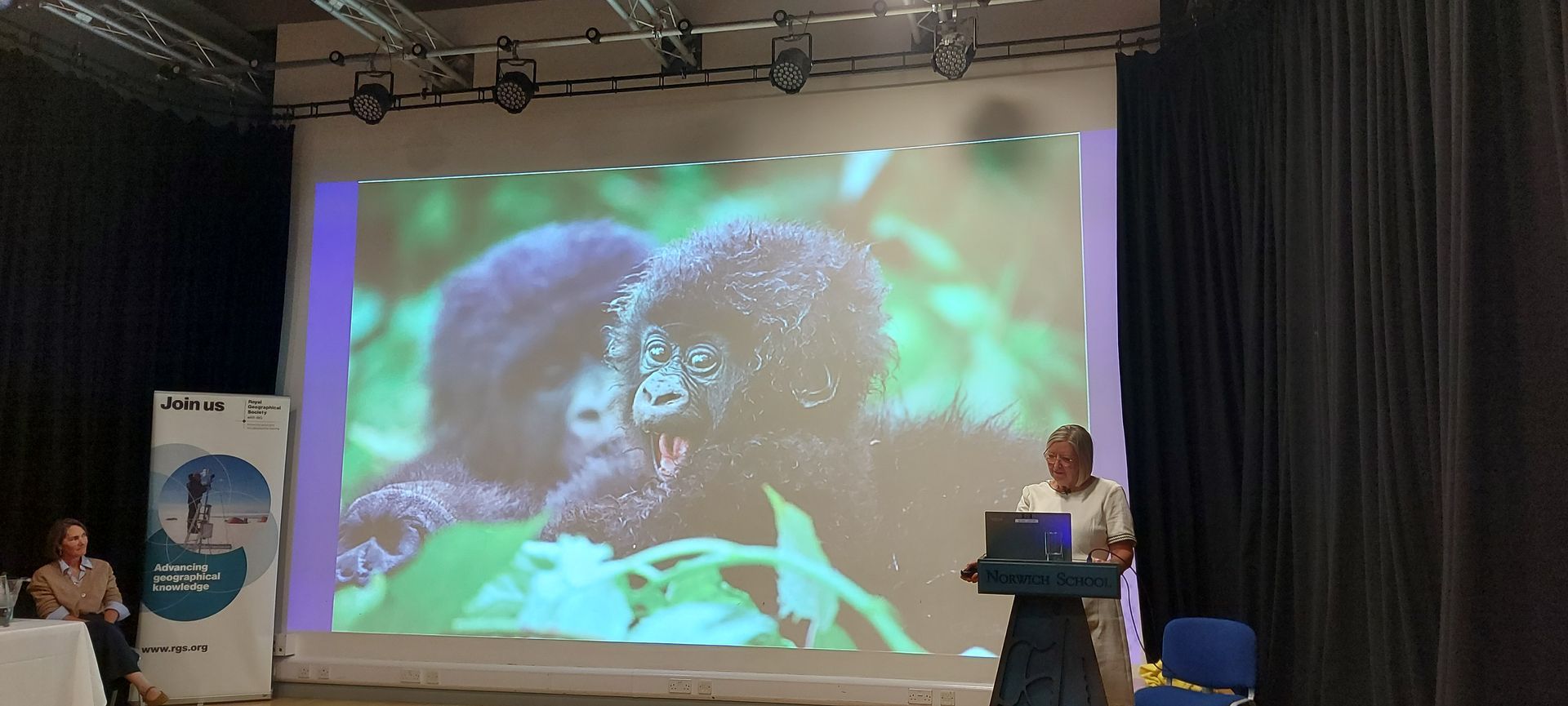
- Erpingham Society (M5–U6) – interdisciplinary lectures spanning STEMM, humanities and the arts.
- Ethelbert Society (L4–L5) – a junior lecture society encouraging scholarly exploration.
- Inters and Senior Maths Clubs – extending mathematical understanding beyond the classroom.
These forums develop confidence in research, presentation and debate — essential skills for future scientists, engineers and medics.