Onward Routes for Our Upper 6 Cohort - Girls in STEM

March 27, 2025

Here at Norwich School we are delighted to celebrate the talented diversity of our Upper Sixth cohort as UCAS (Universities and Colleges Admissions Service) offers continue to roll in. 


Following on from Norwich School successfully hosting several Norwich Science Festival events during the February half term, we have chosen to focus on case study STEM (Science, Technology, Engineering and Medicine) offers in this blog post. STEM is very strong at Norwich School with consistently large numbers of both girls and boys choosing Sciences, Maths and Further Maths for A level: 73 of last year’s Upper Sixth cohort took Maths A level with an average of 47 taking each of the three Sciences. 


Many Upper 6 boys and girls have received exciting offers from highly competitive universities to study STEM courses. Nationally only 26% of STEM graduates are female, yet at Norwich School the gender split continuing STEM post-18 is much more even. We have therefore chosen to celebrate the achievements of girls in STEM in this blog post. The Med Soc (Medical Society) that recently arranged for Chair of the NNUH, Tom Spink, to speak is run by two Lower 6 girls, the Vet Society that meets each week was started up and is led by two other Lower 6 girls. Two Upper 6 girls (Amelia Braidwood and Freya Osborne) have recently been selected to take part in the selection process for the UK’s team at the International Biology Olympiad following their gold awards in the British Biology Olympiad. With so many girls gain STEM offers ranging from Automotive Engineering, Biomedical Sciences and Computer Science to Zoology, it was difficult to choose a few pupils to hear from, but we hope younger pupils will be inspired by the application journeys and successes of Georgia, Freya, Lily and Lily. 
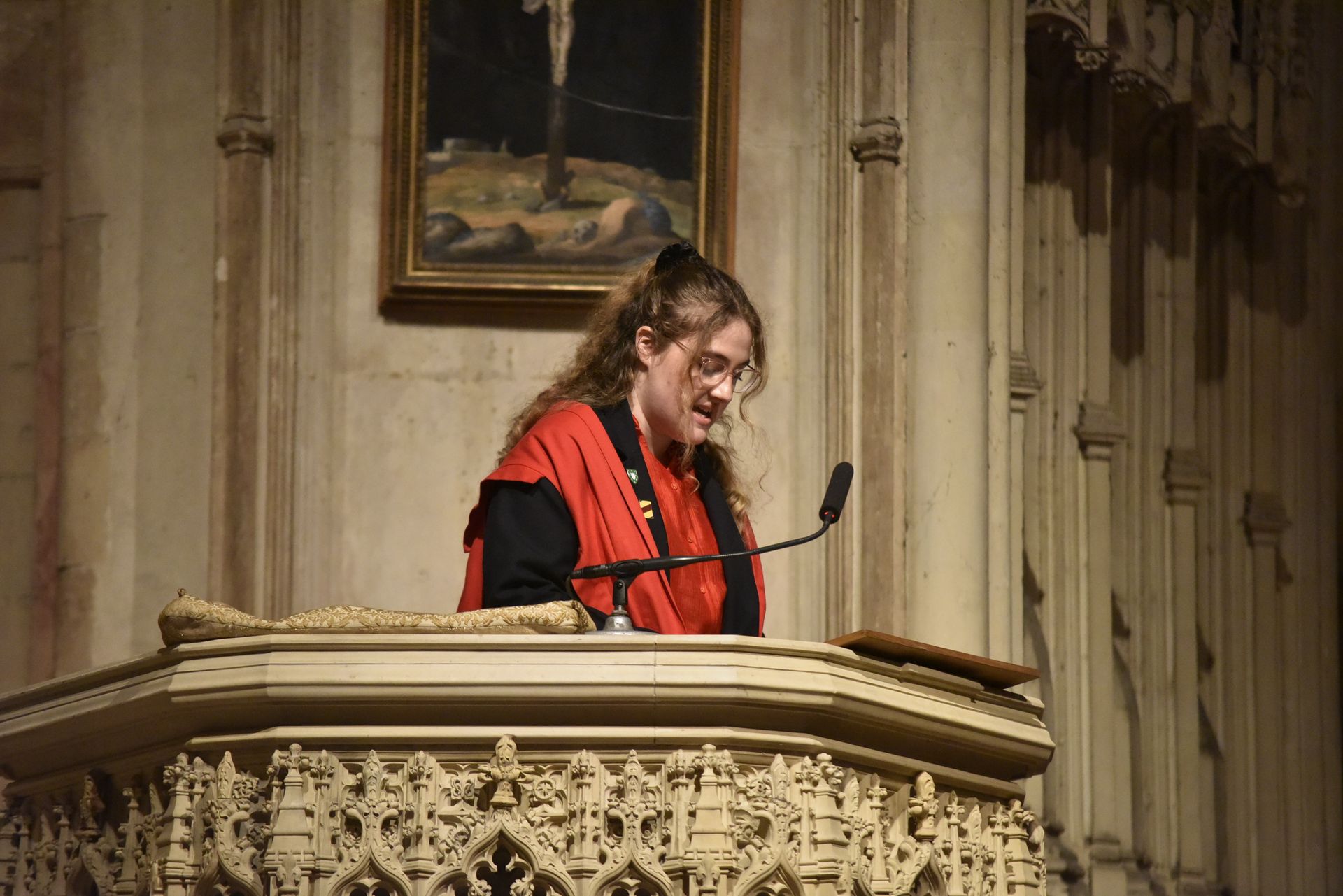


Georgia Hodgson


Can you tell us about the university offers that you've received so far? i.e. what course(s) at which unis. 


Currently, I’ve received offers from Cambridge, Imperial, UCL and UEA for Medicine and Warwick for Biomedical Sciences!  


On top of the usual UCAS application form, what else have you had to do as part of the admissions process to be considered for these highly competitive courses? 


For my medicine applications, I’ve had to take the University Clinical Aptitude Test (UCAT) entrance exam, which happened over the summer (between Lower 6 and Upper 6), and complete interviews at all four universities. These interviews involved learning about current NHS affairs, exploring skills from work experience/volunteer work and, for Cambridge, applying scientific knowledge from A Levels. 
 

How did Norwich School help you during the university application process? 


Norwich School provided support during Lower 6 in the form of Apply Plus sessions, in which we were encouraged to think ahead about work experience, volunteering and super-curriculars; I found these sessions very insightful as I learnt a lot about the application process pre-emptively and was able to tackle my UCAS application a lot better as a result! During Upper 6, there was also support for interview preparation for medicine, dentistry and veterinary medicine applicants as we were able to take part in a mock interview, which helped me to identify my weaker areas and gave me an idea of how to prepare and what’s involved.  
 

Which other activities in sixth form helped strengthen your application? 


Volunteering was a key experience that supported my application; I had undertaken some volunteering at Able2B, as well as partaking in community service through school. These experiences provided valuable learning opportunities that I was able to reflect on in my application and discuss at the interview. I also shadowed doctors in a hospital, which gave me a realistic view of what medicine entails that I could tie into my personal statement and interview answers, and excited and motivated me about the prospects of entering a career in medicine! On top of these, I completed and presented an 8000-word research project on the link between depression and cardiac health, entered several STEMM Olympiads and completed the Youth STEMM Award. 


Outside of medicine-related activities, what have you been involved in at Norwich School during sixth form? 


During sixth form at Norwich School, I’ve led the Debating and Erpingham Societies, as well as taken up my new role in Upper 6 as Head of School and EDI. These have helped me develop other skills, especially those in communication and organisation, and have been a lot of fun! A particular highlight was being part of a team ranked 26th internationally at a debating competition! 
 

Which offer do you think you will pick as your CF (conditional firm) and what most excites you about that course? 


I’m hoping to CF Cambridge’s medicine course! I find a lot of aspects of the course exciting; however, a particular aspect is the opportunity to intercalate in the 3rd year! I think this will help to broaden my knowledge and understanding of medicine and science as a whole, and the chance to research is an exciting prospect! I also look forward to participating in supervisions and discussing the subject with incredible scientists and researchers! 
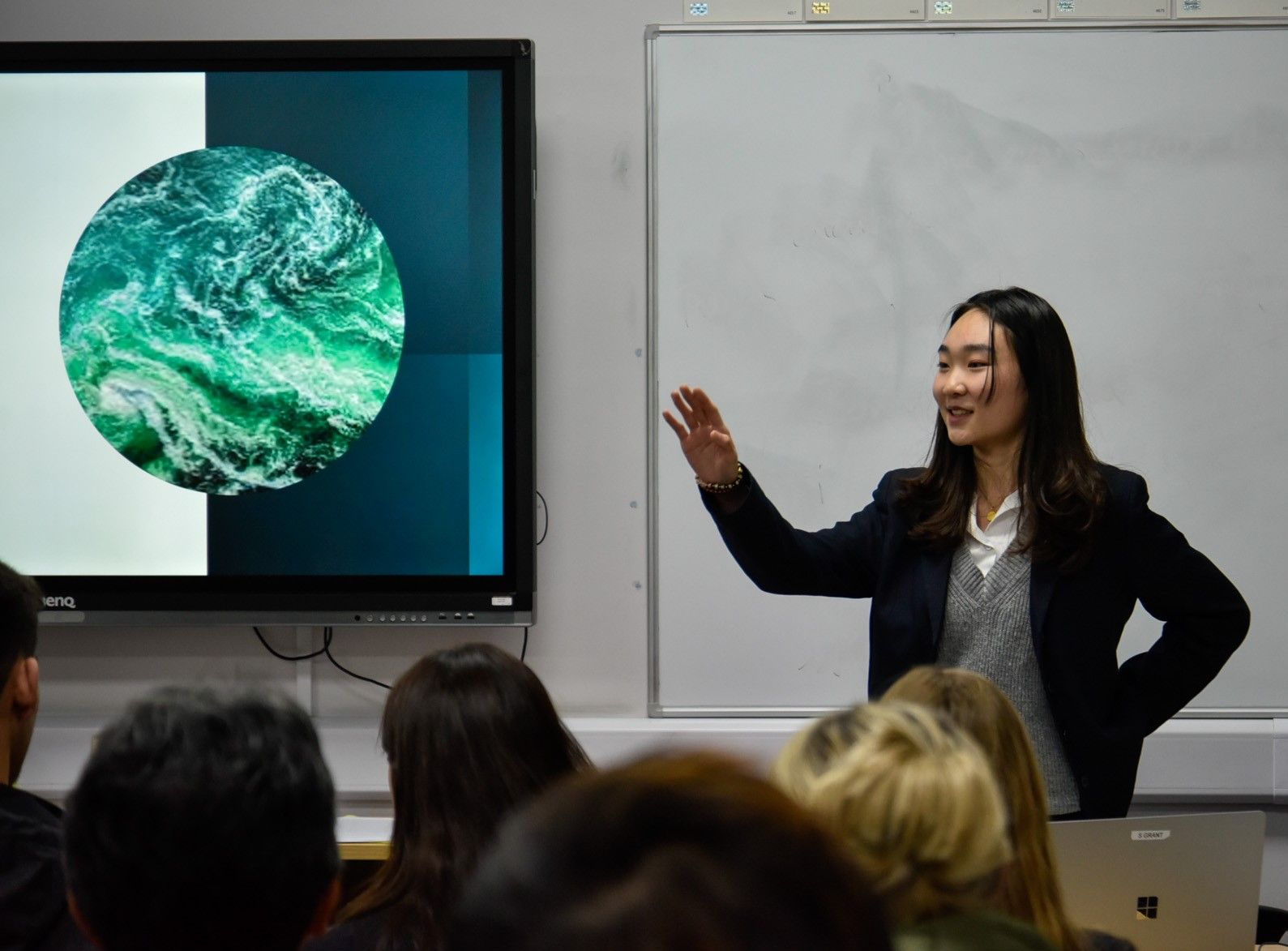

 Lily Yu


Can you tell us about the university offers that you've received so far? i.e. what course(s) at which unis.


I have had offers from UCL and Durham to study Earth Science and from Imperial College London and Bristol to read Geology. 


On top of the usual UCAS application form, what else have you had to do as part of the admissions process to be considered for these highly competitive universities?  


I volunteered in Sedgwick Museum for two months during summer holidays which was fantastic experience. To study the history of the geological landscape in the area, I also attended a geology & geography camp in the Lake District which proved to be great experience which also looked great on my personal statement. In Lower 6, I also completed the Gold Independent Project ‘To what Extent does Ocean Acidification Influence the Colour of the Ocean?’. Researching this area furthered my knowledge in the field. 


How did Norwich School help you during the university application process? 


The school were really helpful in managing and supporting my application as well as answering any questions that I had. Mrs Warren and Mr Pearce were both helpful, as well as Mr Croston who specialises in helping international students and Old Norvicensians. 


Which other activities in sixth form helped strengthen your application? 


I think going to a range of talks and lectures proved to really help my application, as well as getting a strong set of predicted grades. Reading around the subject was also particularly academically enriching, and it also gives you a selection of things to talk about at interview as well as on your personal statement. 


Outside of academic activities, what have you been involved in at Norwich School during sixth form? 


Outside of academic activities, I have been involved in the Amnesty Group, where we have organised fundraising for a plethora of charities and events such as the Amnesty Variety Evening, which is always great fun. I also love to be in nature, so I recently completed the expedition for DofE Gold and looking forward to going to Buckingham Palace to receive my award! In Sixth Form, I have also really enjoyed rowing at Whittingham, in the week as well as on Saturdays. I typically row in a single but also enjoy rowing as part of a double, quad or eight. 


Which offer do you think you will pick as your CF (conditional firm) and what most excites you about that course?


For my conditional firm, I will accept UCL, on account of its excellent learning environment, course structure and work-life balance. Studying in London is particularly nice, and I’m looking forward to starting in September. 
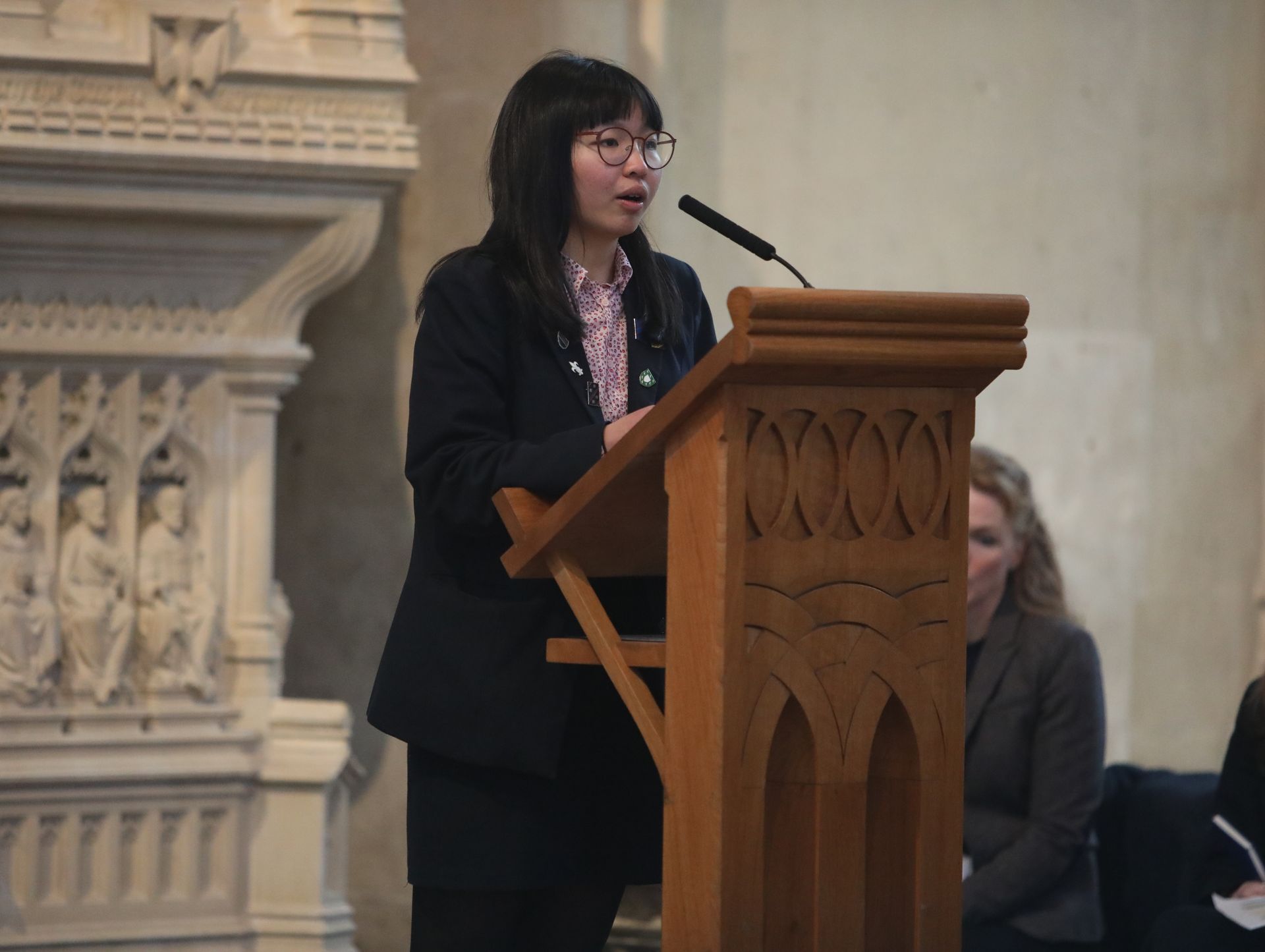


 Lily Nguyen


Can you tell us about the university offers that you've received so far? i.e. what course(s) at which unis.


I've applied for Electrical and Electronic Engineering. I've received offers from Bristol, Newcastle, Nottingham and Sheffield, and I'm interviewing for Loughborough in early April.  


How did Norwich School help you during the university application process? 


My teachers were very helpful with editing and making changes to my personal statement. I also had support from staff on where to strategically apply to get the most out of the five university options. And my teachers wrote strong references to support my application.  


Which other activities in sixth form helped strengthen your application? 


I have participated in and gained Silver Industrial Cadets Qualification, involving me attending talks, watching lectures, and culminating in a research project on the UK's transition to green energy. I've also been able to present this research project at Erpingham and turn it into a Longbow article. I've also participated in the Cityzen Competition and Engineering Education Project. I've also done two research projects, my Independent Project was on safety systems in Formula 1, and I also did a research project as part of my physics practical qualification, looking into the drivetrains of Formula 1 and Formula E cars, and looking at their similarities and differences. 


Outside of academic activities, what have you been involved in at Norwich School during sixth form? 


I've been involved in Chapel Choir, and a bit of Gateway Players. I've also been an active member of the school boat club, having competed in major races, such as National Schools and Henley Women's and currently being in the process of doing GB trials.  


Which offer do you think you will pick as your CF (conditional firm) and what most excites you about that course? 


Bristol will be my conditional firm. They continually update their modules (one of my year 1 modules will be new for my entry cohort), and I like the wide range of topics that my degree covers, covering both the hardware and software side of electronics. I enjoy programming, but not enough to do a degree in it! I also like the final year individual research project, allowing you to research any topic that interests you.  

Freya Osborne


Can you tell us about the university offers that you've received so far? i.e. what course(s) at which unis. 


I have received offers to study Veterinary Medicine at the University of Liverpool, the Royal Veterinary College, the University of Edinburgh, and the University of Surrey. 


On top of the usual UCAS application form, what else have you had to do as part of the admissions process to be considered for these highly competitive universities?  


I had to complete numerous extra forms to document the work experience that I had completed, as well as doing a Situational Judgment test for Surrey and an interview for each vet school I applied. I had two virtual interviews and two in person interviews. 


How did Norwich School help you during the university application process? 


Norwich School has subject specialists who are there to give you advice and feedback on your applications to university, for example improving your personal statement. They also are great people to speak to if you need ideas on how to make your application more competitive. Norwich School held a mock MMI (multiple mini interview) for each of the veterinary medicine/medicine/dentistry applicants which gave us a chance to practise our interview skills in front of unknown people. Some of the questions they asked me were really similar to some of the ones I was asked in my real interviews! 


I was lucky to have an interview invitation in the October half term, way before anyone was expected to give them out so I had a chance to complete an online mock interview with our Head of UCAS. This was great as it gave me the opportunity to have a go at an interview in the same style as my real one. 


Which other activities in sixth form helped strengthen your application? 


I spent a lot of my holidays completing work experience in vet practices as well as gaining experience in a stables, dairy farm and a doggy day care. I was fortunate to get a part time job at Wroxham Barns which gave me over 300 hours of experience with a range of species of animals. This is also a customer facing role which helped me gain skills in interacting with the public - a vital skill for a veterinary surgeon. 


In Lower 6, we were given an opportunity to complete an independent research project. I chose to research brachycephalic (flat faced) dogs and the ethics surrounding them. This also gave me the opportunity to present my project to an audience and it also gave me a great thing to discuss during my interviews. 
 

Outside of academic activities, what have you been involved in at Norwich School during sixth form? 


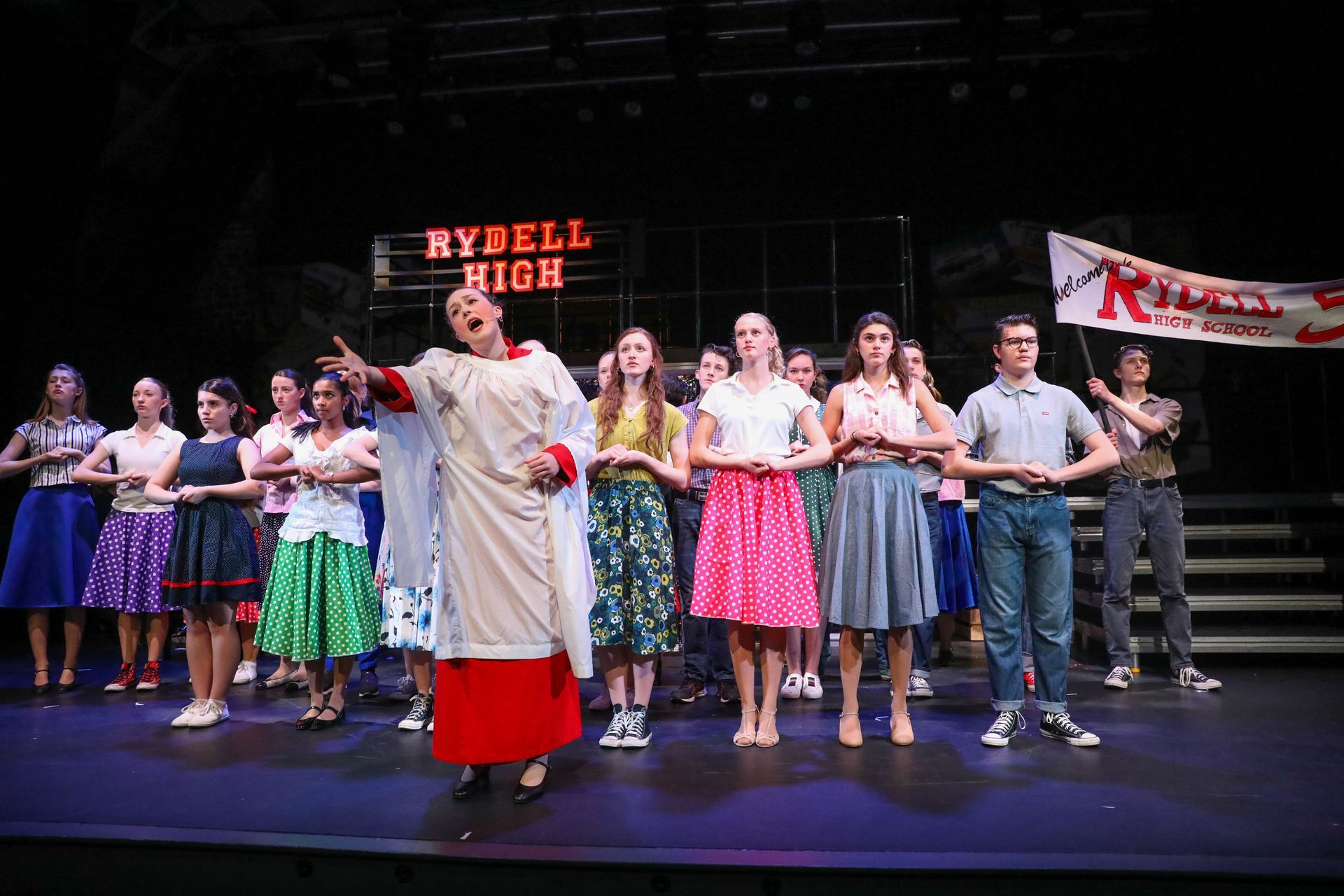
During my time in sixth form, I've been involved in many extra-curricular activities such as performing in the senior musicals and plays, singing in three school choirs, and volunteering with the 8th Norwich Sea Scouts as a Young Leader. These give me a great break from my applications and studies and provide me with transferable skills which I can use in my university career such as teamwork and communication.  
 

Which offer do you think you will pick as your CF (conditional firm) and what most excites you about that course? 


I am going to pick the University of Liverpool as my firm choice because I really like the vet community that they have there, as well as the other societies that the university has, for example their musical theatre society. The course really excites me as it has a focus on practical, clinical skills from day 1 and the vet school has great facilities for all disciplines of veterinary medicine. I like how they have an equal focus on small animal, equine and production animal medicine as I am not too sure of which type of veterinary medicine I want to go into. 
By Sonja Mitchell April 16, 2026
FONS have generously funded two new lights as part of a planned upgrade.
By Sonja Mitchell April 13, 2026
Thanks to the Friends of Norwich School, our BSL offering has grown with even more pupils involved and closer relationships with the Deaf community.
By Eleanor Lewis April 13, 2026
"Music has always had the power to bring people together, to comfort, and to inspire action. This project is Dave’s way of doing exactly that — using his extraordinary talent to create something positive, meaningful, and potentially life-saving." Accomplished musician, Dave Land, has completed a new project of a brass performance of ‘O MAGNUM MYSTERIUM’ - Morten Lauridsen, in aid of Prostate Cancer UK, a cause very close to him. Having taught Trumpet and Cornet at Norwich School for over twenty years, this performance was filmed in Norwich School's atmospheric Barborelli Room. Prostate cancer is one of the most common cancers affecting men with more than 64,000 men being diagnosed with prostate cancer every year. Early detection can make a huge difference, PSA (Prostate Specific Antigen) test is quick, straightforward. With this poignant piece and sharing his story, Dave Land hopes to encourage more men to have that conversation with their doctor and consider getting tested, it could potentially save lives. Acclaimed British musician and composer Jools Holland commented, "I'd like to congratulate and support Dave in the excellent job he's doing to promote awareness of prostate cancer and to encourage men to get checked with a simple test." Dave is one of those musicians whose career reads like a highlight reel of the music world. He began playing trumpet in the Band of HM Coldstream Guards before moving into an extraordinary freelance career. Over the years, he has performed in some of the greatest West End shows, including Andrew Lloyd Webber’s Starlight Express, Annie Get Your Gun, and Movin’ Out, and has recorded with artists such as Katrina and the Waves, The Four Tops, The Temptations, Smokey Robinson, and Shirley Bassey. His playing can also be heard on numerous film soundtracks, including Walt Disney’s Herbie Fully Loaded, Mr Bean, Look Who’s Talking, and, more recently, Paddington in Peru. Beyond that, his recordings have featured across a wide range of television programmes, films, documentaries, and adverts — from Jamie Oliver and A Place in the Sun to countless campaigns for brands such as Tropicana, Halifax, Shredded Wheat, MG Cars and Budweiser. Over the years, he has also enjoyed chart success with artists including Nik Kershaw, Leo Sayer, Breathe, Tracey Ullman, and, of course, Katrina & the Waves. Dave has spent over 25 years working in London’s West End and has toured worldwide with an incredible list of artists, including The Four Tops, the original Elvis Presley TCB Band, The Temptations, Smokey Robinson, Shirley Bassey, Ben E. King, The Supremes, Suzi Quatro, Frankie Valli & The Four Seasons, Deniece Williams, Belinda Carlisle and Mari Wilson & The New Wilsations. His experience and musicianship are truly remarkable Dave Land is a dedicated teacher and valued member of our community, having previously performed two brass videos in the chapel. 'Pupils and Staff of Norwich School perform Charpentier's Prelude to the Te Deum' which you can watch by clicking here. This video has had a staggering 226 thousand views – a first for Norwich school video views! Ladies in Lavender by Nigel Hess arranged & directed by David Land, Norwich School Brass Ensemble plus guests, pupils from local Norfolk schools . You can watch this by clicking here. Dave Land commented, "I am incredibly proud of our Norwich school brass students for these two outstanding video performances!" Dave's mission has received a lot of traction from the BBC in both writing and broadcast. With the more people he reaches, the more people who may be encouraged to get tested. You can watch Dave Land's powerful performance below;
By Sonja Mitchell April 7, 2026
Thank you to Friends of Norwich School for funding £1,000 towards new costumes.
By Eleanor Lewis April 2, 2026
I’ve volunteered for over 10 years now, from the PTA at Ava’s Primary and Prep schools, to Disability Swim Coaching, to Chair of Governors at a local school; with the Care & Inclusion Team at work and now with The Norwich School as a parent volunteer supporting sixth formers doing their own community service with Norfolk Special Olympics, a charity focused on bringing sport to adults with intellectual disabilities. I also volunteered as a Sixth Former, way back when, and maybe that’s where the bug came from, remerging in later life. There’s something life affirming about volunteering that’s hard to describe, but the adage that volunteering gives you more than you ever put in is true. It ticks all the boxes on the Wellness Form: It’s proven to be good for mental health, it’s a powerful way to hone new skills and support career development, it provides social connection and it absolutely adjusts your perception of life and gratitude. It just makes you feel better! So, when Norwich School put out a call for parents to support their Community Service program by volunteering alongside students, it was a natural and easy step for me to offer to help. Getting to choose a service that fits your timetable, lifestyle and interests was a bonus. So many different opportunities from creative and media (definitely not me!), to English Support for refugees (that would have meant working alongside my own Mother – so no!) to event committees and a multitude of sporting options. Something for everyone, a time for everyone, and for me an easy choice to make, continuing work I’d done years before with Teenagers with disabilities. And so, every Friday lunchtime, during a “meeting” booked out in my work diary (with the full support of my manager of course!), I spend an hour at UEA Sportspark helping the inclusion team from UEA and Special Olympics, alongside three sixth formers, bring sport to around 35 Adults with varying levels of disability. Some are wheelchair bound, some non-verbal, some with mild intellectual disabilities, many with Down Syndrome. What they all have in common is a shared joy in physical activity at whatever level suits them. They are fiercely competitive, many compete, always keen to do that little bit more, full of joy, full of conversation and sometimes as cheeky and difficult as teenagers. I leave lighter in the shoulders and happier in the heart every single week. Aswell as the joy of volunteering myself, I also have the privilege of watching sixth formers learn, embrace the same joy, realise how fortunate they are and develop skills they mostly won’t have had before. It’s not always easy, there are challenges, especially working with adults to navigate, but what great lessons to learn in a safe place, and what great skills to take forward in life. Three girls who started slightly quietly and not quite sure of themselves, are now helping to run sessions themselves, know every attendee by name, are inspiring other young women in the group and look like they’ve been doing this for years. One of those girls is my daughter. How lucky I am to spend an hour a week with her, not talking about UCAS, or homework, or sports coaching or how much sleep she got or didn’t. Just an hour a week enjoying bringing joy to others, together without having to talk about anything. Watching her learn new skills, and navigate new challenges, and above all, seeing her finally get it. Why I volunteer, why I give up time, because it gives me back more… tenfold. And of course, I hope that bug, the one that lay dormant in me for 20 years, is well and truly instilled in Norwich School’s young people, because they, like me, might not realise yet just how much they are already learning, and how much they might get in the future from doing something for others. Skills, friendship, joy, gratitude and opportunities they didn’t see coming. It’s often surprising the people you meet and the connections you make through this kind of ‘work’. Amazing, interesting people with all sorts of connections that might just open a new door or a new passion, both for the sixth formers and for us as adults.  So, if you have an hour a week free, if your company supports volunteering in the community, if you’re looking to develop new skills or make new connections, I cannot recommend supporting the Community Service program at Norwich School highly enough, there really is something for everyone to get involved in. Lighter shoulders, happier hearts and helping our own children grow and develop skills for life... it doesn’t get much better than that for an hour a week!
By Eleanor Lewis April 1, 2026
This week we are spotlighting STEMM at Norwich School and caught up with some inspiring ON’s who discussed where studying a STEMM subject at the school has taken them in their careers! Wian Stipp – (11-18) Wian attended Norwich School between 2011-2018 and studied both Maths and Further Maths during his A-Levels. Did you study Maths, Further Maths or both? I studied both! What did you go on to do when you left Norwich School? Where? I pursued a BSc in Mathematics and Economics at the London School of Economics. During my time there, I learned how to program and became involved with AI start-ups – initially with Lanterne, based in London, and subsequently with Evidium, based in San Francisco. Where in the world are you based? I’m currently based in San Francisco, USA. Where has your career taken you so far? I joined Evidium in 2020 as a Founding Engineer, just as the company was getting of the ground. The following year, we raised see funding in San Francisco. At Evidium, I focus on research and engineering, building machine learner systems for healthcare applications. Where do you want your career to go? I aim to continue developing machine learning systems that push forward innovation in health care and contribute significantly to improving patient outcomes. Why should pupils study Maths beyond GCSE? Maths builds the ability to think clearly and reason rigorously – skills that are valuable no matter what path you pursue. If you’re curious about fields like AI and machine learning, Maths simply is the foundation. How has Maths been beneficial to you outside of Norwich School? Maths continues to be central to my daily work, Maths has shaped how I think, solve problems, and engage with the world, and it remains the foundation of everything I build in my career. Jennifer Williamson – (09-16) Jennifer is an incredibly inspiring woman in the world of STEMM; having attended Norwich School between 2009 and 2016, she kicked started her engineering career studying both Maths and Further Maths. Did you study Maths, Further Maths or both? Both! What did you go on to do when you left Norwich School? Where? I did a 4-year Integrated masters in Aeronautical Engineering at Imperial College London! In my third year I did an internship at Sainsbury’s writing their 30 year “path to zero carbon” plan. Where in the world are you based? I’m currently working in London, I spent a couple of years working in Edinburgh, and before that I was in Australia! I carried out my final year university project on exchange in Melbourne, creating a model to estimate the emissions of different journeys, to compare public and private transport in the suburbs. Where has your career taken you so far? I’ve been working as a Building Sustainability Engineer for four years. I work with architects to improve the design of buildings by carrying out dynamic simulations which look at things such as if occupants will overheat, based on how many windows there are, any external shading, how much natural ventilation there is and more. I really enjoy it, and I love having a genuine impact on the design of buildings that are going up in my city. Where do you want your career to go? I had a catch up with my boss recently, and he’s keen for my future career to involve going into architectural firms to give workshops on how to really achieve sustainable buildings, which sounds amazing to me. There are a lot of methodologies at the moment for designing sustainable buildings, but a lot of them are just “tick box” exercises, whereas good design changes from building to building. Why should pupils study a STEMM beyond GCSE, such as Maths? I think if you might want to study something like Engineering at University, A-Level Maths is really important and would probably be a requirement, so if that’s on the cards then it’s good to keep that door open. It doesn’t necessarily mean you’ll be doing maths for the rest of your life - my job doesn’t involve much Maths now. A lot of my Engineering degree was basically just maths in different contexts, and I wouldn’t have been able to get my job without the degree. How has Maths been beneficial to you outside of Norwich School? The main thing is being able to do a job I enjoy now. Another bonus was that some of the content we did at university in first year I’d already learnt in Further Maths, which was really helpful when everything else was new and difficult. My job doesn’t involve a lot of Maths now, but I do still pull out trigonometry quite often for calculating shading angles. Steven Gopaul - (07-15) Steven attended Norwich School from 2007-2015, and studied four STEMM subjects at A Level. Now working at the Norfolk and Norwich Hospital, his career in medicine is nothing short of inspirational. What subjects did you study at A-Level? Maths, Chemistry, Biology (All A2) and Physics (AS). What did you go on to do when you left Norwich School? Where? I studied Medicine, rather unconventionally in Europe, in Prague, Czech Republic. Where in the world are you based? I am currently based in Norwich and work at the Norfolk and Norwich Hospital. Where has your career taken you so far? After finishing school in 2015, I went to medical school and graduated in 2021. I completed 2 years of general medical training in the East of England which is known as foundation training in 2023, with a good experience in both medical and surgical specialities. I took a year out of clinical medicine after foundation training to teach at UEA - Norwich Medical school. I taught all years of medical students in various clinical subjects, procedural skills as well as in laboratory-based sessions of Anatomy (which was my favourite subject). Alongside my teaching duties, I examined final year exams and contributed to creating questions for written exams and clinical stations for use in OSCE exams. Since 2024, I have been working as a trainee surgeon and am due to finish my 2 years Core Surgical Training in August 2026 before moving onto higher specialty training in General Surgery. Throughout my medical training thus far, I have attended and presented at conferences both nationally and internationally, and undertaken post-graduate courses and exams. I have passed my initial surgical exams (the final exams will be closer to becoming a consultant) and am a member of the Royal College of Surgeons of England and Fellow of the Higher Education Academy after completing my post-graduate certificate in clinical education. Where do you want your career to go? I am training to be a General Surgeon with the aim of becoming a Consultant Colorectal Surgeon in the NHS. Why should pupils study a science beyond GCSE? Studying a science beyond GCSE gives you much more than knowledge — it teaches you how to think. A-level sciences push you to analyse information, solve problems, and understand why things happen, rather than just memorising facts. You learn to deal with complex ideas and interpret evidence. Another benefit of studying science, is that it creates a structure for learning new information which many other subjects unfortunately don’t provide. Science also isn't always straightforward — it stretches you. However, working through complex problems develops many of life’s important traits such as resilience and a logical way of thinking that once again can be applied to anything in life. How has Science been beneficial to you outside of Norwich School? Studying science beyond school was more than a gateway into medicine for me; it fundamentally shaped how I approach learning and clinical practice. Advanced study in biology and chemistry meant that when I reached medical school, I wasn’t encountering concepts in isolation. Subjects like physiology, pathology and pharmacology felt like logical extensions of principles I already understood. Beyond this, it has provided me with many rich experiences of collaboration where I’ve got to work with many different medical and scientific professionals which has helped me develop new skills and allowed me to travel, which I thoroughly enjoy! Lastly, studying sciences at school developed intellectual discipline and professional curiosity. It trained me to analyse evidence critically and the habit of questioning is central to good medical practice. It drives lifelong learning, which is essential in my profession where knowledge evolves rapidly. Tom Lefever - (91-97) Tom studied both Maths and Physics during his time at Norwich School. He now works in Civil Engineering and continues to travel across the world, mastering his expertise. What subjects did you study at A-Level? Maths, Physics and French. What did you go on to do when you left Norwich School? Where? A degree in Civil Engineering at the University of Nottingham. Where in the world are you based? Norwich! Where has your career taken you so far? All over the UK, designing buildings for many countries including Montenegro and all over Northern Africa. Where do you want your career to go? Continue to build my expertise in historic buildings such as Cathedrals and Castles. Why should pupils study a science beyond GCSE? It helps you understand the world better and build a strong, broad base to pursue your chosen career. How has Science been beneficial to you outside of Norwich School? It is fundamental to my work in assessing how buildings behave and knowing what materials to choose when designing them. It has helped me personally with my health, nutrition, and even DIY of my house and fixing my car! Richard Wade-Martins - (83-91) Richard studied three STEMM subjects at A-Level whilst at Norwich School and now works at the University of Oxford, leading ground-breaking research into Parkinson's and Alzheimer's disease. What subjects did you study at A-Level? Biology, Chemistry and Maths. What did you go on to do when you left Norwich School? Where? I went to study Natural Sciences at the University of Cambridge in 1992, specialising in Genetics in the final year. From there I went to the University of Oxford to do a DPhil (the Oxford PhD) in human molecular genetics. Where in the world are you based? I am at the University of Oxford in the Kavli Institute of Nanoscience Discovery and the Department of Physiology, Anatomy and Genetics. Where has your career taken you so far? After my DPhil I went to work for three years at Massachusetts General Hospital and Harvard Medical School in Boston, Massachusetts. It was a fantastic opportunity to live abroad for a few years and get an international perspective on science and life. I then came back to the UK in 2003 starting my own research group at Oxford and have built up my own research program. Where do you want your career to go? I'm moving towards drug discovery. I work on understanding the cellular and molecular mechanisms of Parkinson’s and Alzheimer’s disease: why do some people get them and how can we prevent or treat the conditions? As the population ages with more people are retired than at school, this will become increasingly common and a major healthcare challenge. My academic lab at the University now works closely with industry and biotech partners to develop translation of new therapies from lab findings to novel treatments for patients. Why should pupils study a science beyond GCSE? Studying science allows you to understand how the world works, whatever you chose to work on. In my area it allows us to dissect the role of genetics and biology in age-related neurodegeneration. We need to use science to understand molecular mechanisms to develop new therapies. How has Science been beneficial to you outside of Norwich School? I read about the discovery of DNA, the molecule which carries our genetic information, when I was at Norwich School aged 14, and from that moment on I wanted to study genetics. I have been lucky enough to follow that through working in three of the best Universities in the world. It has been a fantastic choice of career and if I went back to being aged 14 now I would do exactly the same again.
By Sonja Mitchell April 1, 2026
With thanks to the Friends of Norwich School for funding this dedicated space, which is proving very popular with pupils.
By Sonja Mitchell March 31, 2026
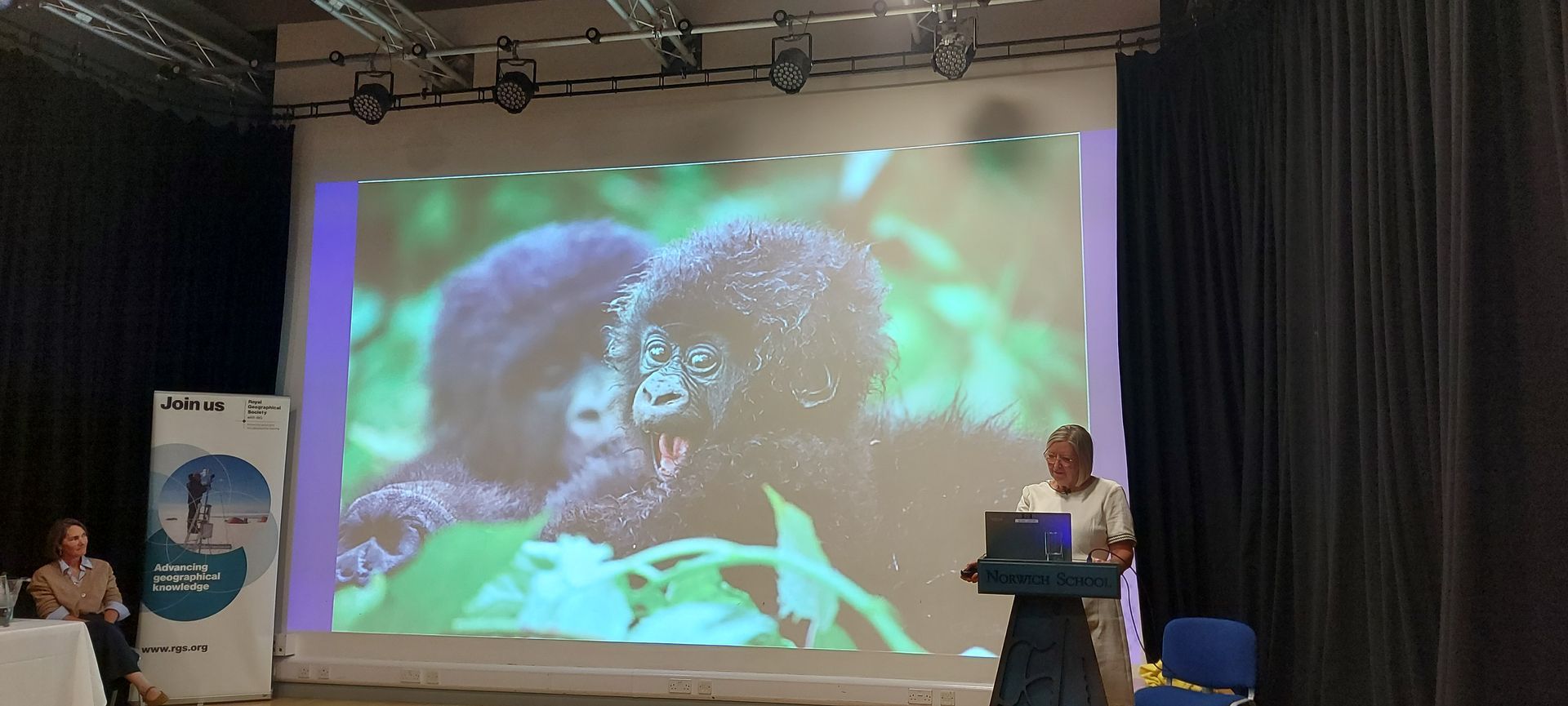
Toby will be at Norwich School with the Royal Geographical Society to talk about his filming adventures from around the world.
By Eleanor Lewis March 31, 2026
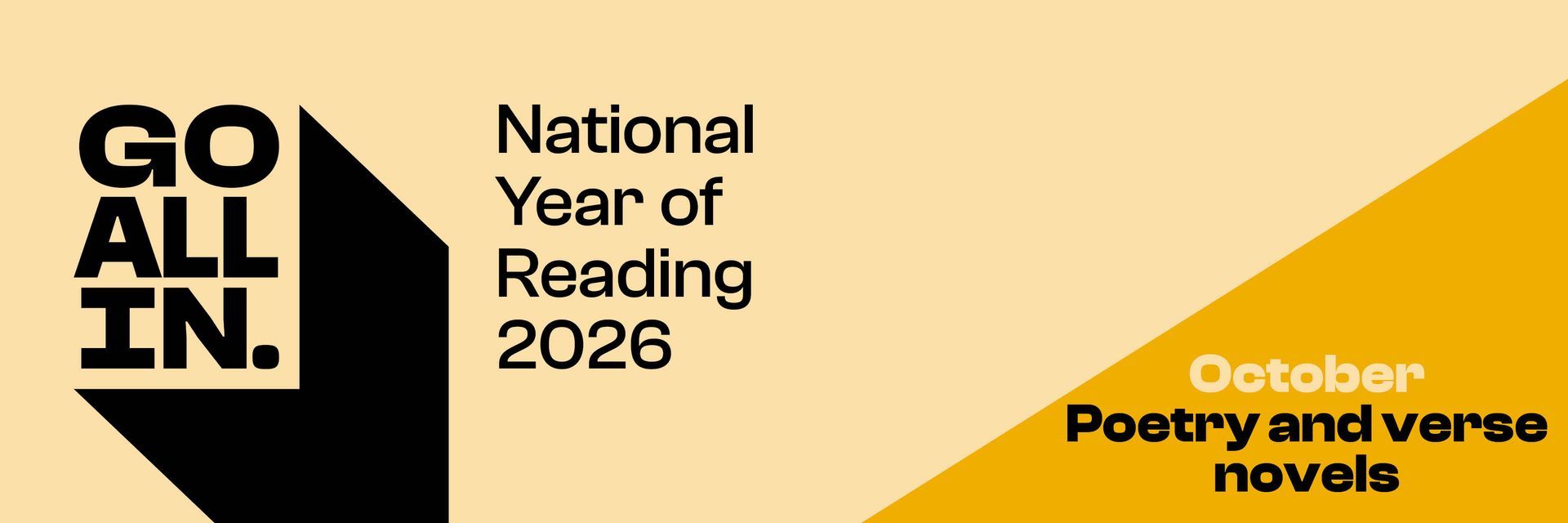
2026 is National Year of Reading and we are going all in here at Norwich School! We know reading expands worlds, sharpens minds, and fuels creativity, so let's get inspired! Every month we are focusing on a different genre and hearing from a member of staff about what they like to read, why, when and where! This March it’s Classics and let’s find out why our Librarian, Deborah Goodwin, loves the classics... Tell us a little bit about the genre; what common themes or elements do you particularly enjoy? The definition of a classic can feel a bit slippery sometimes, but most people would agree on a few things. It needs to be well written, and it needs to have stood the test of time — enjoyed by and relevant to multiple generations, not just a bestseller. They tend to deal with universal themes like love, loss, or just what it means to be human, which is why you can pick up something written hundreds of years ago and still completely relate to it. The term "Modern classic" usually means post-World War II, but even then, a book needs to have proven itself over time before it earns the label. Personally, I'm drawn to epic stories — ones that follow a character over years, watching their life unfold. I love getting engrossed in someone else’s life. What was the book that introduced you to the classics? Was there a particular book or author that made you fall in love with this genre? As a teenager I read things like The Catcher in the Rye , The Great Gatsby , Animal Farm , and The Diary of Anne Frank . There wasn't as much Young Adult fiction around back then, so I'd raid my parents' bookshelves or borrow from the library. The Catcher in the Rye is probably the one that made me fall in love with reading — I've gone back to lots of times since my teens, which is saying something as I'm not usually a re-reader. Has your taste in this genre changed over time? Definitely. I've read a fair bit of war literature — Birdsong , Slaughterhouse-Five , War and Peace , and after that, all the balls and courtships in the classic drawing-room fiction started feeling a bit frivolous in comparison. I still appreciate them, but these days I'm more drawn to big, sweeping epics like Les Misérables , Anna Karenina , or Middlesex by Jeffrey Eugenides. I’m happiest with something that spans generations or continents. Would you recommend this genre to someone who doesn’t usually read it? Why? Absolutely — but I'd choose carefully depending on the person! Fantasy fans might love T he Hitchhiker's Guide to the Galaxy , teens into dystopian fiction would probably enjoy Lord of the Flies , and mystery lovers are almost always won over by Agatha Christie. The language can feel like a barrier at first, especially if you're used to modern fiction, so starting with something accessible really helps shake off the idea that classics are somehow hard work. What do you enjoy most about reading, whether classics or anything else? Honestly? Switching off. Leaving real life behind for a bit and slowing down to the pace of a book. I've experienced so many different lives through reading, put myself in the shoes of people I'd never otherwise have encountered, and I think that's genuinely changed how I see the world. When and where is your favourite time and place to read?/ Do you have a favourite reading spot or routine for diving into books? I'll read anywhere I can grab a few minutes — waiting rooms, trains, park benches, cafés. But if I'm being honest, nothing beats being at home in front of the fire with a book, a cup of tea and a slice of cake. Very unglamorous, but there it is! Which fictional character would you most like to have a cup of tea with? That’s a difficult one! Someone who would make me laugh, I think. Probably Charles Pooter from The Diary of a Nobody ; he’s pompous and accident-prone but he tries hard and means well. I think I’d enjoy his company. The book was published in 1892 and it's still funny. I'd love to have a cup of tea with him and let him tell me all about his latest home improvement disaster. Why do you think reading is important? I think reading builds empathy in a way that's hard to replicate. We're absolutely surrounded by information these days, but there's a big difference between knowing something and truly engaging with it. A book pulls you in completely, whether the world is real or imagined, and somehow makes other people's experiences feel personal in a way that a TikTok never quite can. Click here to see the monthly Reading List!
By Eleanor Lewis March 31, 2026
On Thursday 26 March, the U18 Boys played in the 1 st round of the national Tennis competition, The Glanville Cup, vs Wymondham College. Two very evenly matched teams saw some very close fought games with two of the singles games going to additional tie-break sets, leaving the score after the singles rounds tied on 4 points to each school. Our number one pair Harry Philpott and Charlie George Snelling played some exception tennis and managed to win their games 6-4, 6-4. Our second pair won their first set comfortably but then Wymondham College fought back and took their game to a tie-break set; Charlie Hutchinson and Veron Hung persevered as the light and temperature dropped and won the game to see Norwich School win 8-4 overall and through to the next round. Well done boys!
More Posts