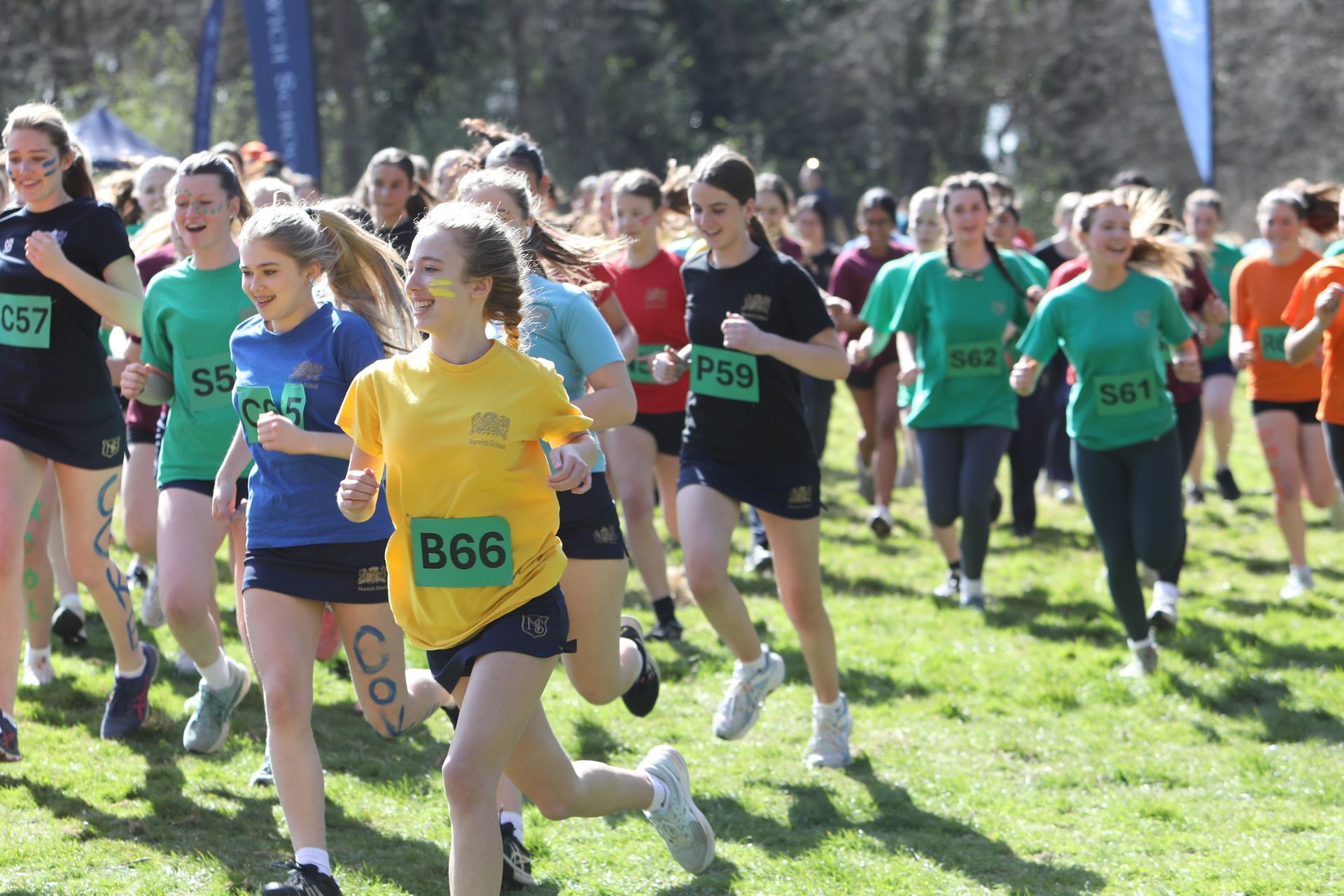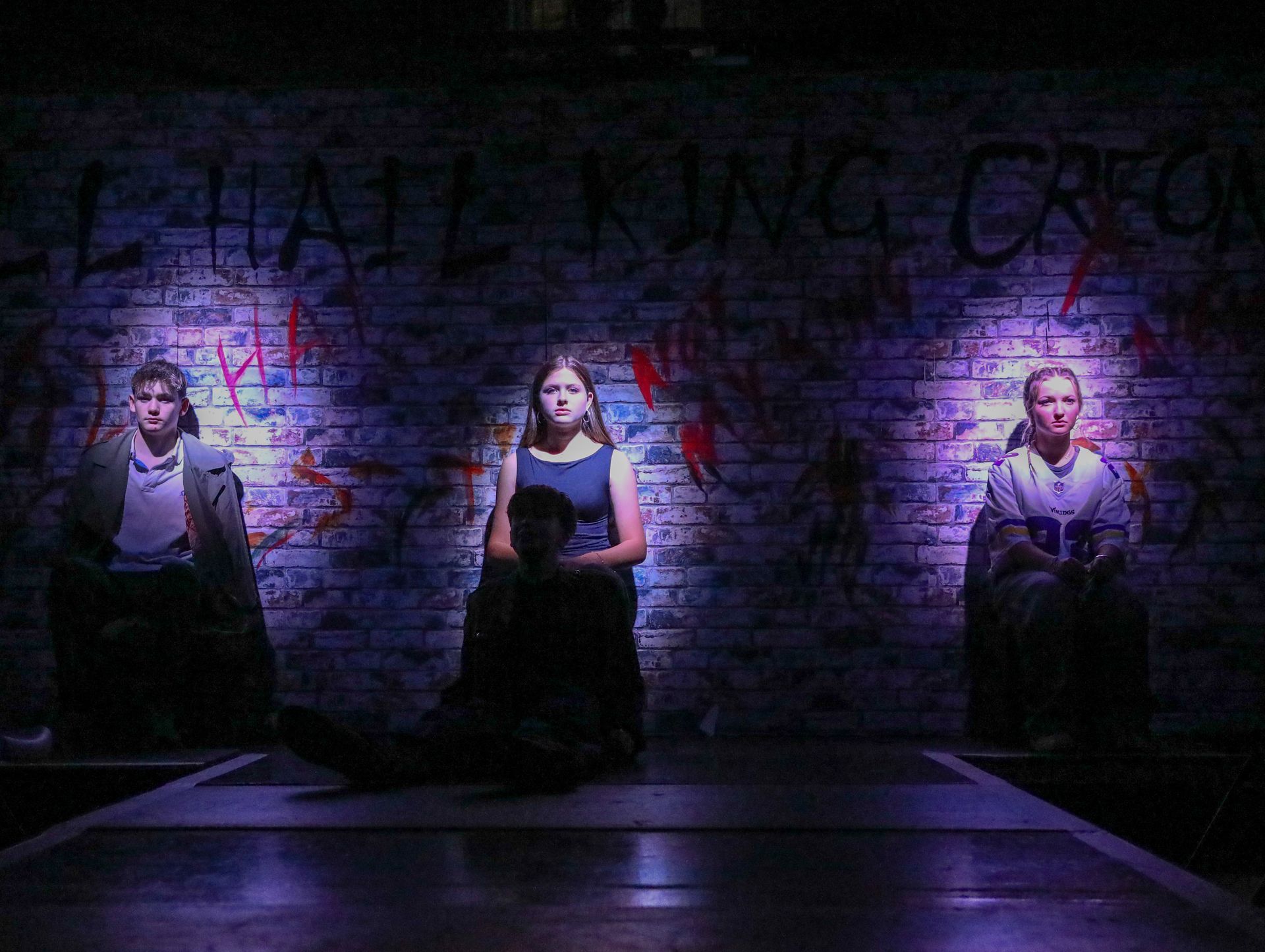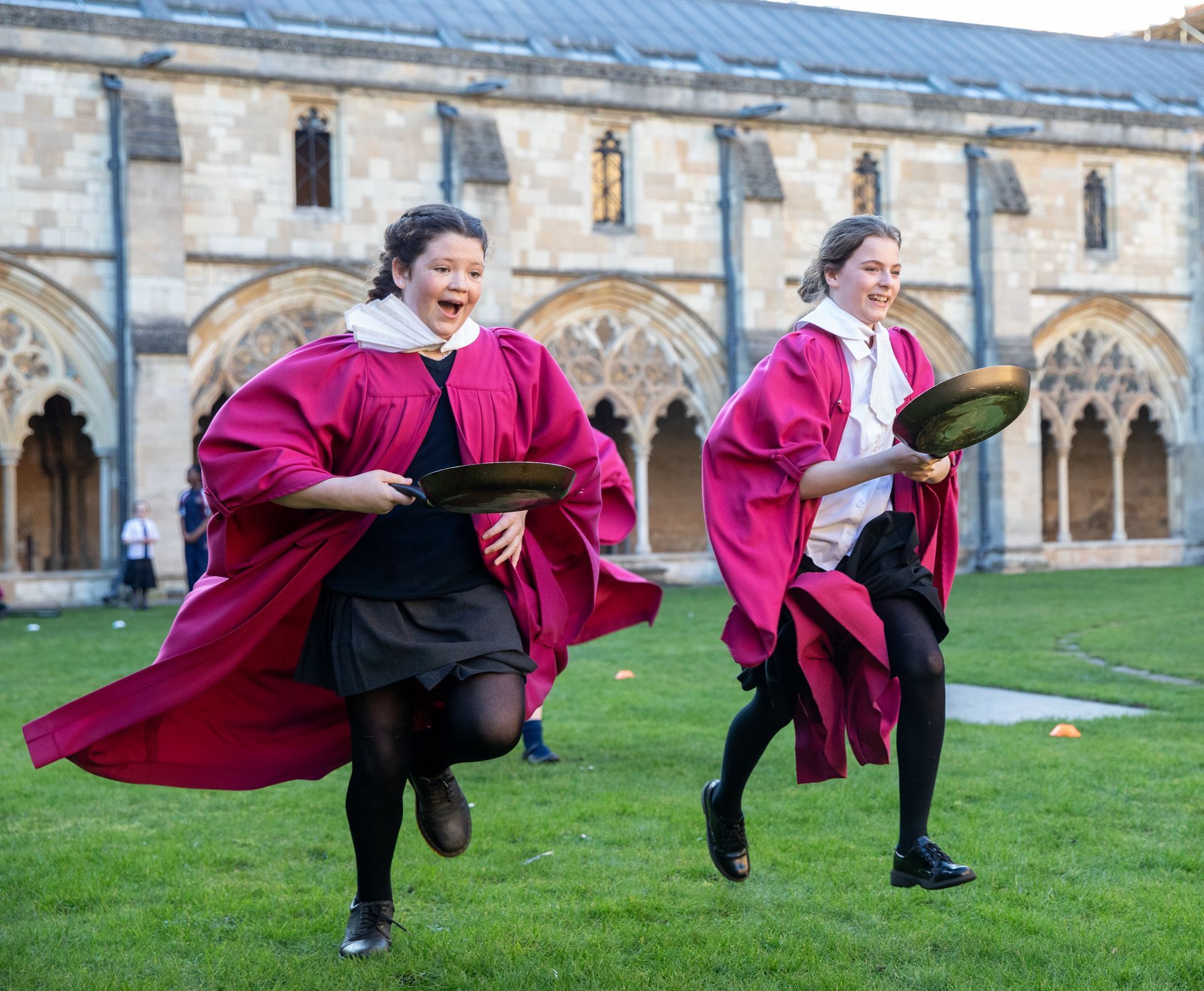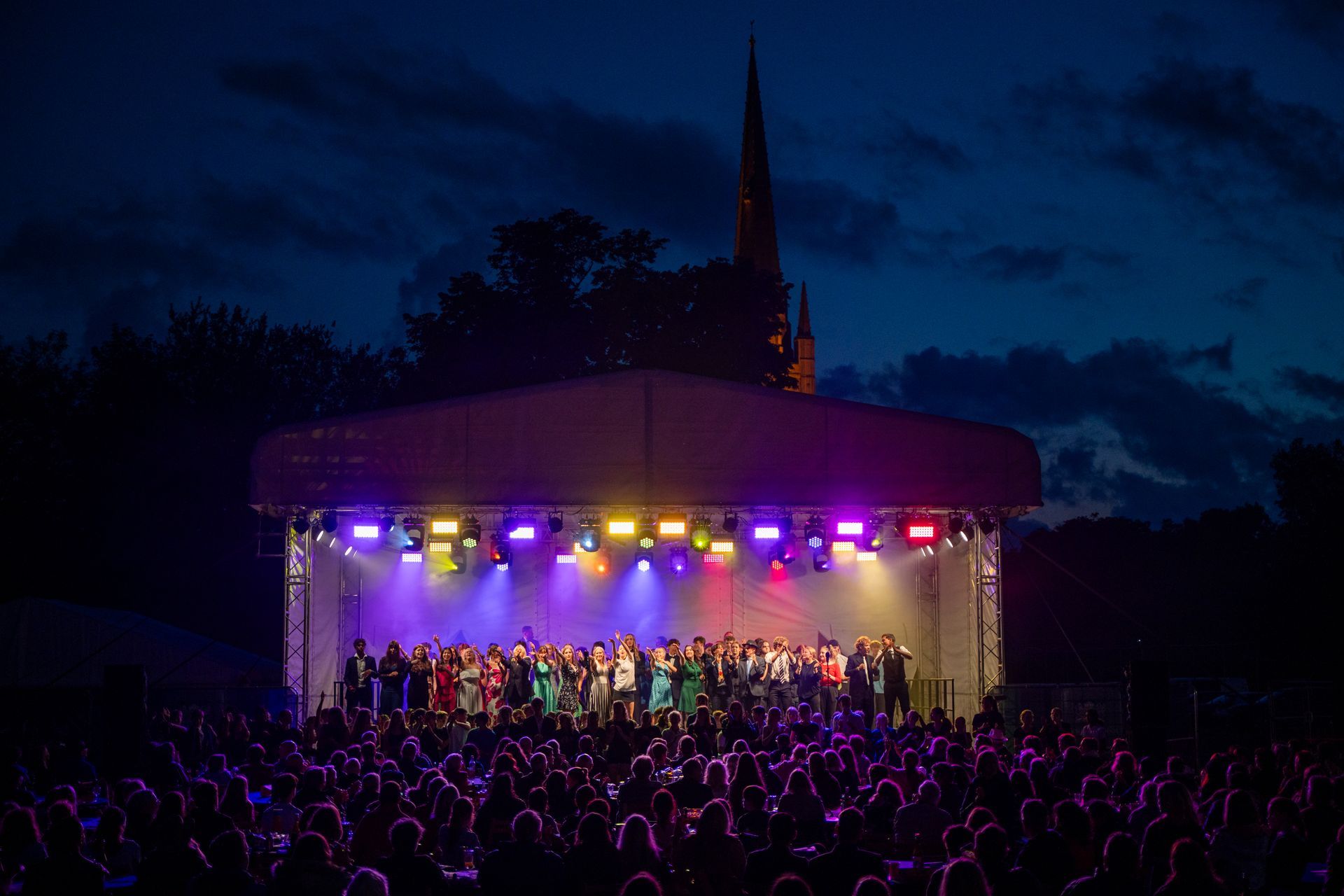
Norwich School is a co-educational, independent day school

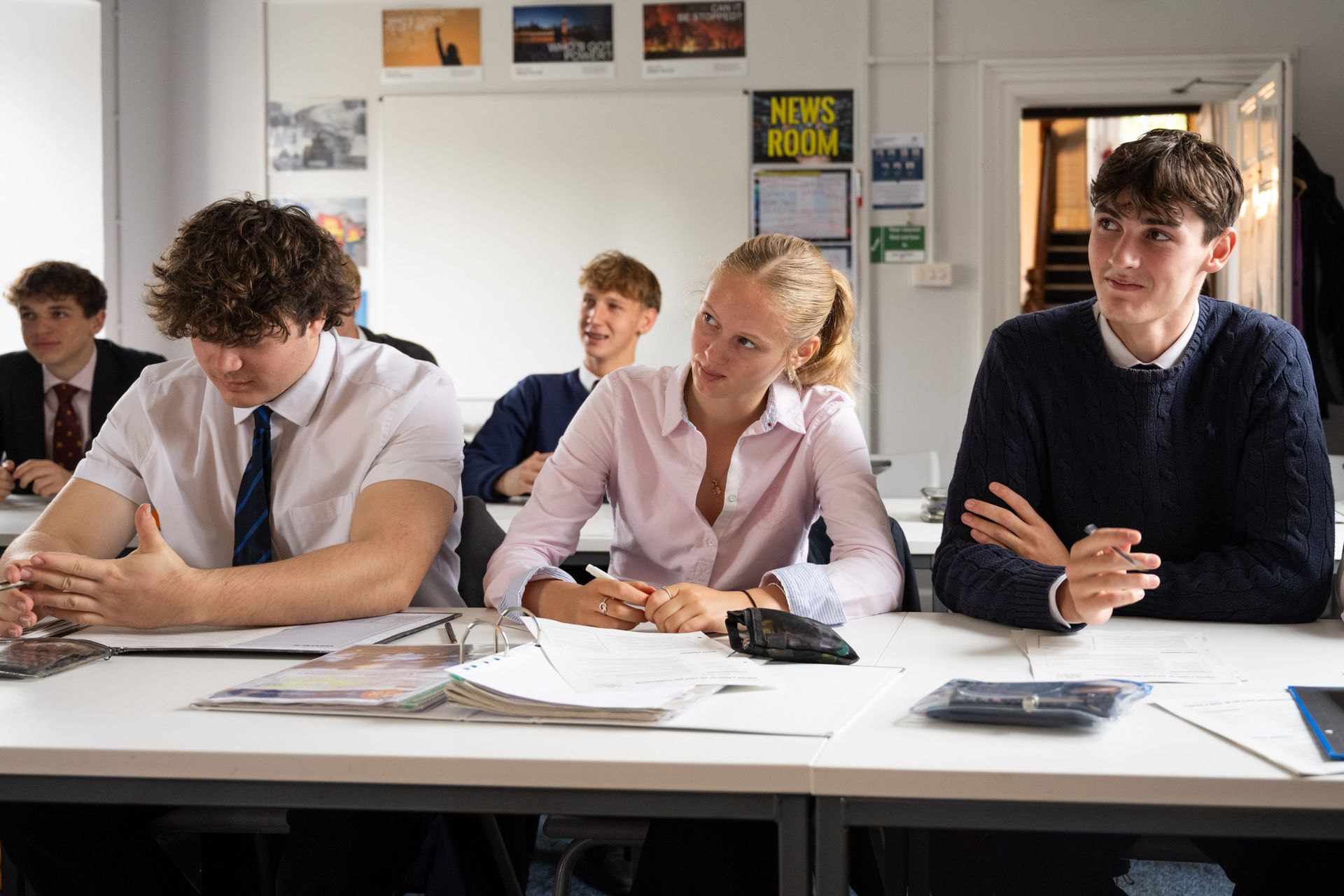
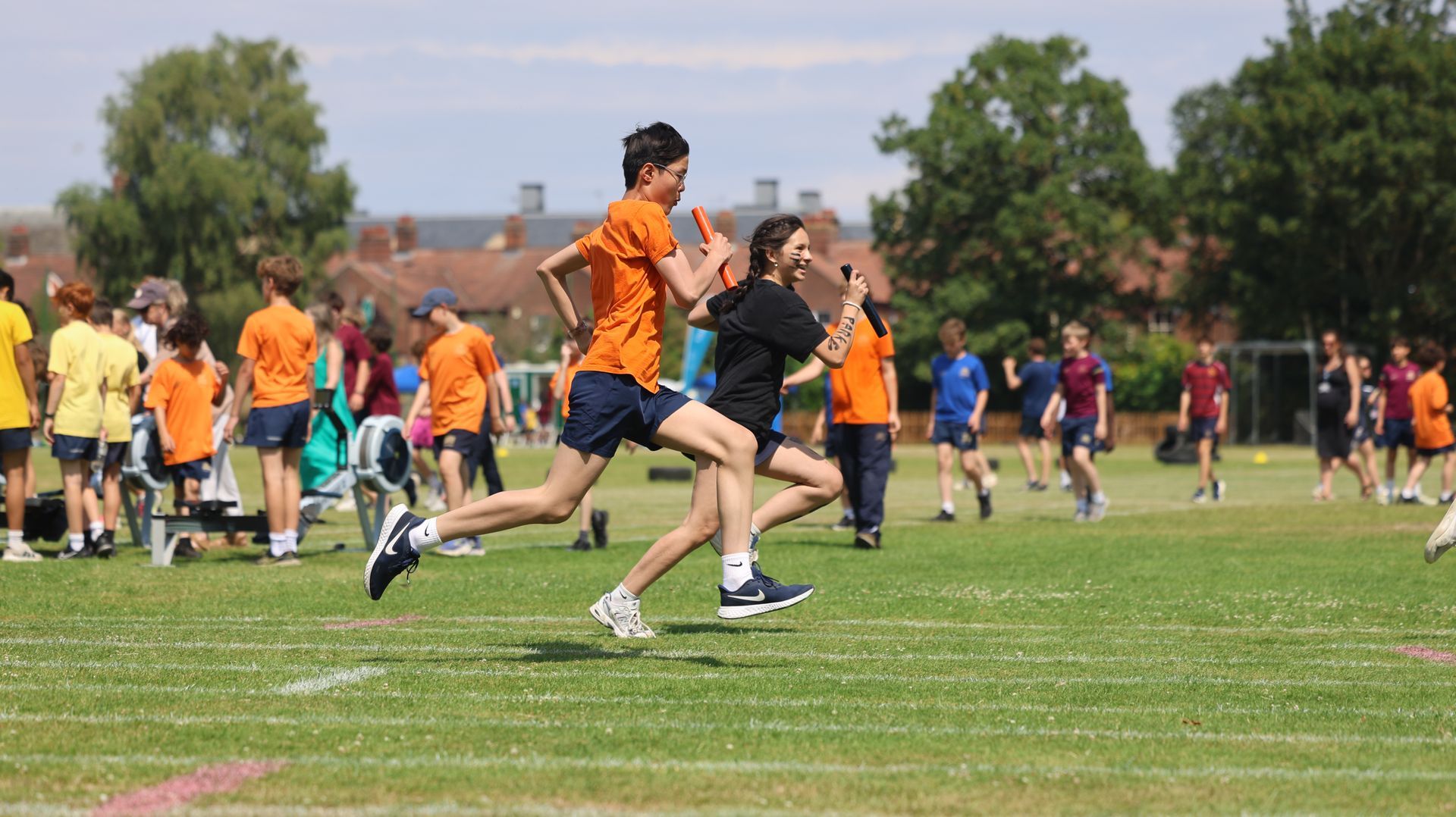
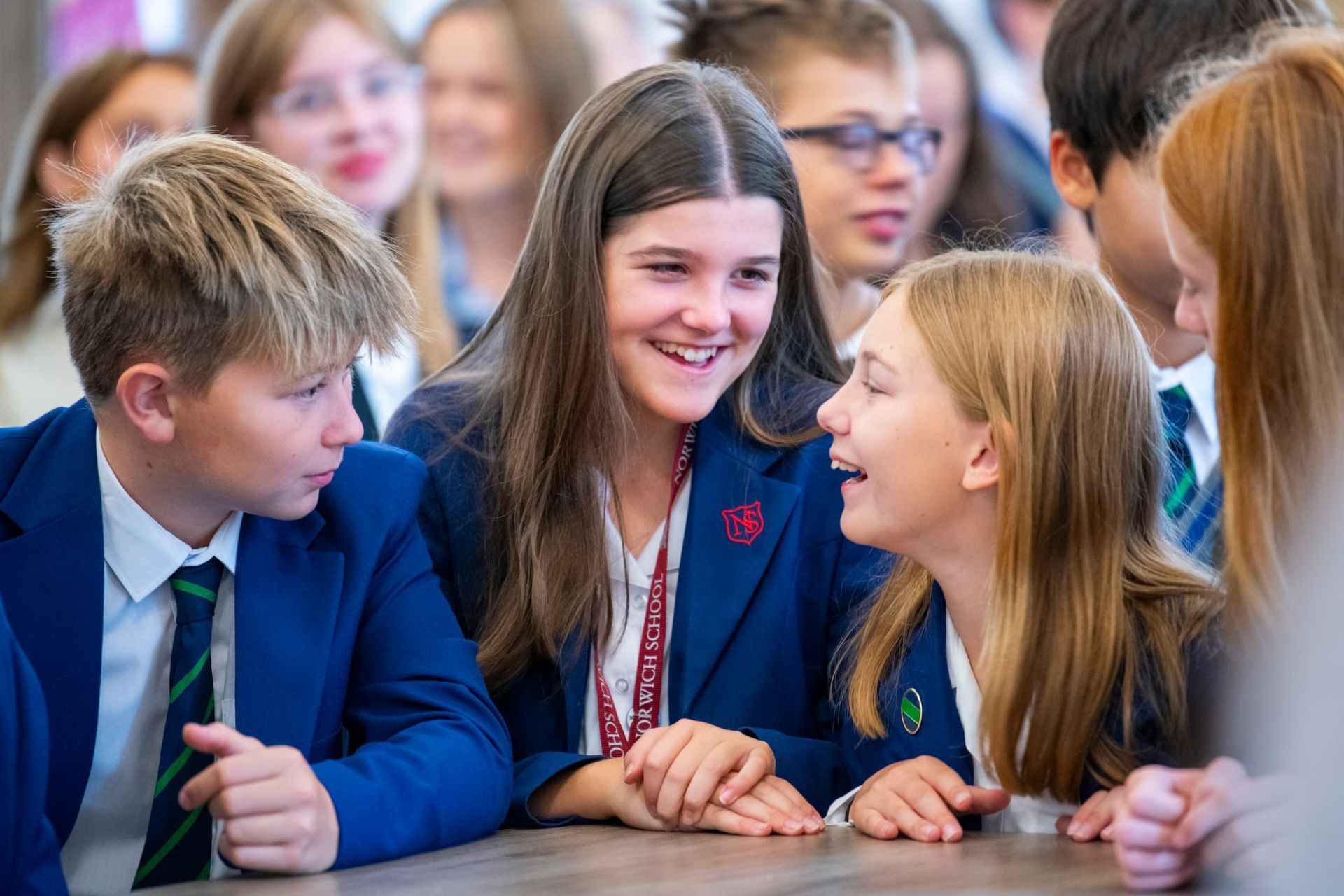
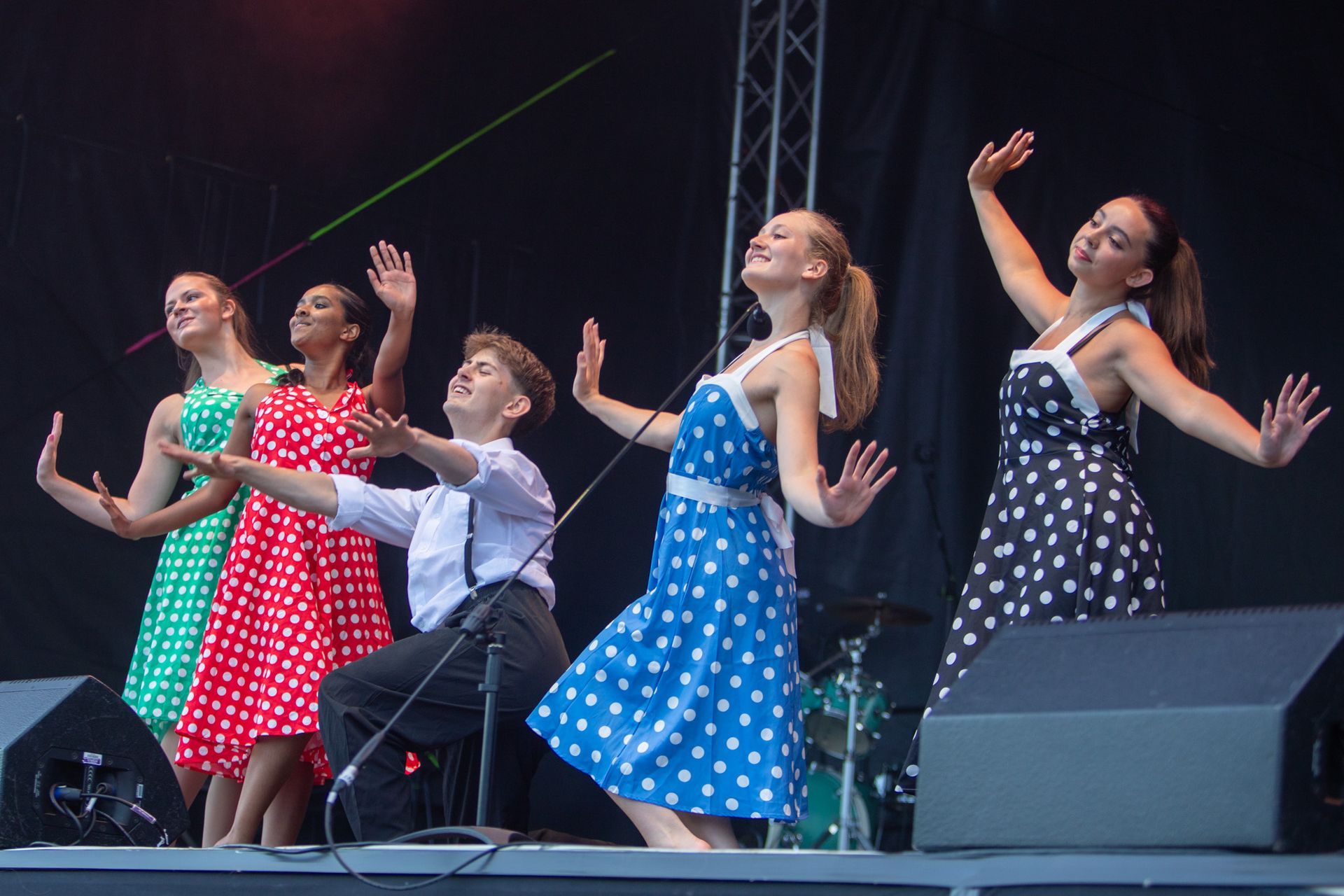
Norwich School is an independent, co-educational day school for pupils aged between three and eighteen.


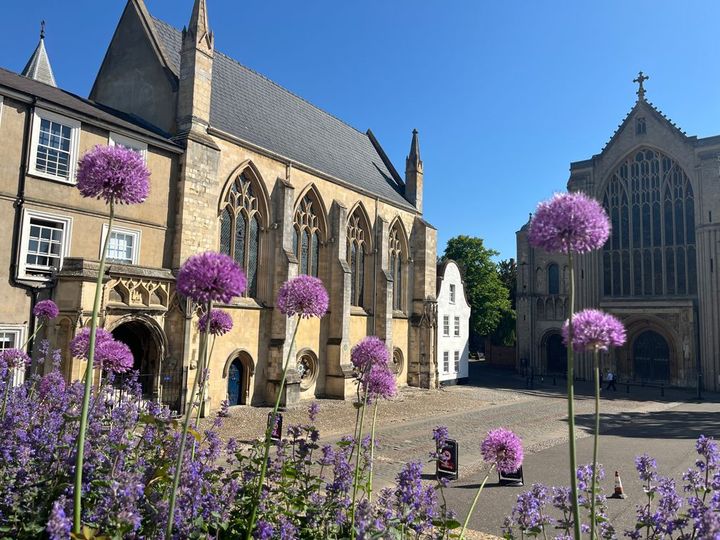
Set in the beautiful grounds of the city’s historic Cathedral Close, the school is a traditional yet lively place to learn and combines a vibrant, imaginative culture with values of scholarship and mutual respect.
Learn more

Discover More

Upcoming Events

Latest News

By Sonja Mitchell September 18, 2026
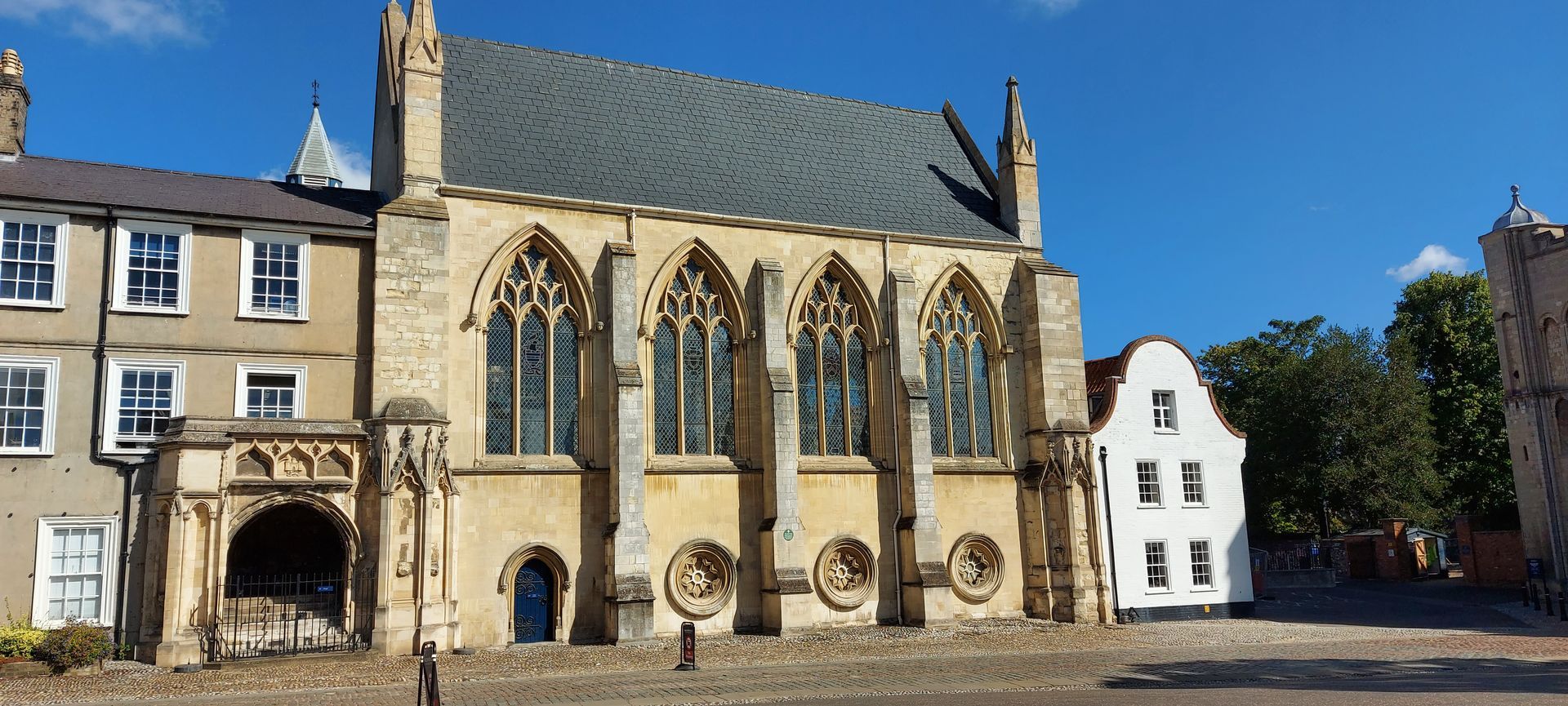
As part of the national Heritage Open Day scheme, Norwich School was delighted to open its Air Raid Shelter, Crypt and school Chapel to visitors this month.
By Eleanor Lewis September 15, 2026
It has been a fantastic summer of cricket, with several strong performances across the Norfolk County age group programme and some notable achievements involving members of the Norwich school community. Our 1st XI captain represented the Norfolk Lions against Suffolk 2nd XI while Lucas B, Max C, Charlie M, Vihaan R, Jaivir A, William J, Freddie P, and Josh B all represented the Norfolk boys age-group squads with success. In the girl’s programme, Isobel S continued her run-scoring form with two more centuries while Charlotte P, Lucy H, Orla B, Georgina D, Rosie B and Bella L alongside On’s India Fox and Niamh Rushton enjoyed excellent season for representing Norfolk. Bella B was selected for an England schools U17 squad that competed in the National school’s competition against Ireland and Scotland where they were crowned eventual winners of the Ebony Rainford-Brent T20 trophy, a fantastic achievement. Our cricket staff also enjoyed an outstanding summer with Mr Alfie Cooper, current Swardeston CC captain, earned his Norfolk County Cricket cap and finished as the leading Minor counties run scorer in the three-day format, that included two centuries. Meanwhile, Mr Richard Sims, our 1st XI Girl’s coach, represented England over-40’s in their Triple Crown competition against Wales, Scotland and Ireland. We wish Mr Sims every success as he travels to Guyana in late October to represent England over-40’s in the World Cup. It has been a memorable summer for the Norwich school cricket programme, and certainly one to celebrate.
By Eleanor Lewis September 11, 2026
I was glad when they said to me, ‘Let us go to the house of the Lord!’ (Psalm 122:1) We’ve been in the cathedral a fair bit since term started. I want to start with a question for you to think about, whether you’re new here or whether you’ve been around for a while: How many different ways into the cathedral do you think there are? When you came in this morning, you had a choice of two doorways – the two west corners at the back. On the first day of term, for a bit of pomp and ceremony, we opened the main west doors to allow a procession in and out. There are other ways in through the gift shop; or through the north or south transepts. All the way up at the east end there’s a door that leads from Edith Cavell’s grave outside to the inside of the military chapel. There used to be a suspended walkway from upstairs in the Bishop’s Palace across to the first floor level in here to save the bishop getting rained on. I’m actually not sure myself how many ways into Norwich Cathedral there are now. If you know the answer – or if at some point you have a spare ten minutes to walk round the building counting the doorways – perhaps you could let me know. Many years ago, before I lived and worked in Norwich, before I was even a priest, I visited Norwich Cathedral with a group of year 6 children from South London. They were in Norfolk on their week-long school journey to experience something different to their usual. I don’t remember which door we came in that day. But I do remember that I was a bit concerned about one of the pupils in the group. His name was Daniel. He was the naughty one. I was worried he was going to find the cathedral boring and start messing around. As it turned out, I was completely wrong. We started our tour in the cloisters – the outdoors space on the south side surrounded by walkways and pillars. Our guide was a retired teacher who guessed that, before we saw the stained glass windows or the bishop’s cathedra, we might like to see a game played by the monks who originally lived here. It was a very simple game – the monks would stand on the ledges in the cloisters and swing round the pillars like apes. (We know that they did this because their feet wore grooves into the stone that you can still see today.) Our guide had already spotted Daniel, and he asked him to demonstrate swinging round the pillars. Sure enough, Daniel’s feet naturally fitted into the grooves as he moved. From that moment, he was fascinated. I think partly because he simply wasn’t expecting there to be fun in the cathedral. But with the help of the guide, Daniel found his own way into this place. Later we were shown some hidden medieval graffiti. Right in the middle of it we happened to find Daniel’s initials, carved by someone centuries ago. It was wonderful to watch Daniel feeling like he belonged here. However many literal doorways there are, I hope you can all find your own figurative way into this cathedral. If you have some kind of a maths brain, the physics and the proportions around us are extraordinary. A while ago Dr Leeder gave an assembly on how many Smarties you can fit in this space. Let the numbers inspire you. If you’re someone who likes Art and Design, there’s no shortage of craftmanship in here that you can get up close to. It’s not all in the past; even today you might see a modern stonemason winching a block of stone up the scaffolding outside to repair centuries of rain and wind erosion. Be inspired by the necessary work of people who are really good at 3D Design. If you’ve just started a course in Psychology, ask yourself why human beings are motivated to begin buildings like this in the first place. The first ever Bishop of Norwich, buried at the east end, was consumed by shame and guilt; he began the construction of this cathedral as a penance. Just about everything we teach is represented: languages, like Latin and a little Anglo-Norman; or poetry, written on the walls; or music, of course; or history, in bucketloads. It’s all here, waiting for you to spot something that catches your interest, and which will take you further in. What is generally true in education is true here: there are many ways in. Just choose your doorway. I want to close by reading part of an email that I got from an ON recently. This is someone who has been away from Norwich School for two decades and now lives in Australia; these are his recollections. Looking back, it is quite remarkable that a load of teenagers meet in the cathedral in the morning… I barely noticed how unusual this was at the time, but the very act of starting the day within an enormous, time-tested cathedral and singing together has by itself a very unifying and edifying effect. When catching up with my peers occasionally, one repeated theme that emerges is how we miss the sense of the transcendent that pervaded school life in the cathedral close. It's so easy to become busied up with urban life and work… longing for meaning and fullness and forgetting where it comes from. You may know that on this date 25 years ago – the 11th September 2001, or 9/11 – there was an attack on the World Trade Center in New York and the Pentagon in Washington which sent shock waves around the globe. We keep this anniversary in mind as we come to our prayer for this morning, which is the Benedictine Prayer for Peace. Benedictine prayer for peace We would like to be people of peace; to walk the paths of peace our whole life long, and to lead others into the ways of peace. May there be peace in our hearts, peace in our homes, peace in our sorely troubled world. May we be peace-makers, ready to take the first step in ending bitterness, being the first to hold out our hands in friendship and forgiveness. May peace, grace and love permeate our daily living. In the fullness of time, may we know the reward of being peacemakers.
By Eleanor Lewis September 9, 2026
I'm wearing my Make America Great Again hats today and you will be forming an opinion of what that represents. Costume is very powerful, and a MAGA hat is almost like a flag. I don't know, I must try to be balanced, and there might be Donald Trump fans in your family. In social situations, I signal my hostility to MAGA with a frown. Can I recommend that to you? When you are part of a conversation that you know is unkind, don't be a bystander. Very often a frown is a powerful and effective response that sends a very clear signal without provoking a bigger argument. It’s called frown power. Maybe we should put the ‘Great’ back into Britain. That’s a gentle joke on the people who say that sort of thing, since it indicates that they don't know what Great Britain means. Excuse me a moment while I explain. There is a large group of about 150 inhabited islands off the coast of northwestern Europe. Collectively they are called the British Isles. There are two big ones: the one on the left(west) is called Ireland. The one on the right is called Great Britain, because it is the biggest of the British Isles. This morning you are resident in a country called the United Kingdom of Great Britain and Northern Ireland. Great Britain isn't going to stop being Great anytime soon. My assembly today aims to encourage you to imagine an even better Britain: not by looking back into an imagined past, but to inspire you to work towards a future version that's even better than the present, or the past. Today I have a dreadful story to tell you about a disaster in Wales that took place almost exactly 60 years ago. Just because quite a lot of things are bad now, it doesn’t mean that everything is getting worse, or that things used to better. Things that are normal today: health and safety, counselling, accountability, litigation, compensation – were almost completely absent 60 years ago. I’m 56, so while 60 years ago sounds like ancient history if you are 12, it isn’t all that long ago in reality. On that dreadful day in October 1966, it had been raining hard for weeks. The 240 pupils of the Aberfan Junior School wound their way through the back lanes of miners’ terrace houses on their way to morning assembly. You probably know that coal mining built industrial Britain. But by 1966, the coal industry had been in long decline and several pits had shut. The mining workforce had fallen from its peak, but pit jobs kept Aberfan going. The National Coal Board had control of UK mining and wielded great power. It had a firm grip on government, and it was held in what now seems uncomfortable reverence. The working man knew his place; authority knew best. Numerous complaints had been made to the Coal Board about the dangers of one of the seven gigantic spoil tips that loomed high above the village. Every mining community had its tips of waste material dug from the mines. The entire south Wales valleys landscape was jagged with them. The one above Aberfan had slipped three years previously when an ominous crater appeared at the top. A bulge had formed at the foot of the tip as a stream that was unable to drain away liquefied the tip into thick, black quicksand. The Coal Board brushed the complaints aside. Everyone knew that if they made a fuss, the mine would be closed. If the disaster had come 20 minutes earlier, the junior school below the tip would have been empty. In the classrooms lights began to flicker and sway before there was an ominous roar. A glistening black avalanche consumed everything in its path and then ruptured a water main, engorging it further and increasing the speed of its descent towards the school. A survivor said later, “one minute we were young innocent children of eight years of age … and then at twenty past nine we were totally different people and would never be the same again.” I have decided to leave most of the witness testimony out of this assembly. One of the first police officers on the scene recalls being rigid with shock. "A huge bank of water was coming directly towards us," she said. "It was like a tsunami, it was terrifying”. The crisis whistle sounded in the colliery and miners, their headlamps still lit, ran to the school where women were clawing at the slurry trying in vain to reach the children. News reports described the site resembling an earthquake or the aftermath of a high explosive bomb. I can’t tell you what the parents went through, but one rescuer recalled: “It goes to show how primitive it all seems; I wrote up a notice and pinned it to the chapel door informing parents that death certificates will be issued at the local fish and chip shop”. The waiting took 15 days to identify 144 bodies. The handful of surviving children did not really have a formal education for many years. Time and again, testimonies from the past describe the same thing – no one talked about what happened. This was an age of a stiff upper lip, embodied by the tough, macho miners themselves. Psychological help was stigmatised and viewed with suspicion. A local GP described the village as consumed with guilt, psychological problems, alcoholism and nervous breakdowns. All of that went untreated. What followed was a saga of cruelty and indignity. Donations to the Aberfan Disaster Fund poured in from all over the world but the money was taken away and the bereaved were initially refused help to pay for their children’s gravestones. The Coal Board initially offered £50 of compensation for each dead child before raising it to the "generous offer" of £500. A more substantial sum, it was advised, would have destroyed the working-class recipients not used to large amounts of money. The NCB chairman insisted to reporters that it was “impossible to know that there was a spring in the heart of this tip” although everyone else seemed to know and Ordnance Survey maps proved it. The tribunal that followed concluded the disaster was “a terrifying tale of bungling ineptitude by many men charged with tasks for which they were totally unfitted, of failure to heed clear warnings, and of a total lack of direction from above”. No one lost their jobs, was demoted or fined. This is obviously a horrible story. I’m telling you because you need to know, and it’s an antidote to thinking that Britain was such a brilliant place in the past. I could have chosen any number of examples. The 70s, 80s and 90s featured behaviour and events that I can scarcely believe are true from today’s perspective. And of course, the main reason I’m telling you is because you represent the Britain of the future. We won’t move forwards by nostalgic memories of some phoney past. As future leaders and people who will serve our communities, it’s your job to present an attractive vision of a better society that we can all work towards. Our speaker at prizegiving, Chanel Contos, was an inspiring example of a youthful changemaker. And the obvious first step is for you to be the change you want to see in the world.