
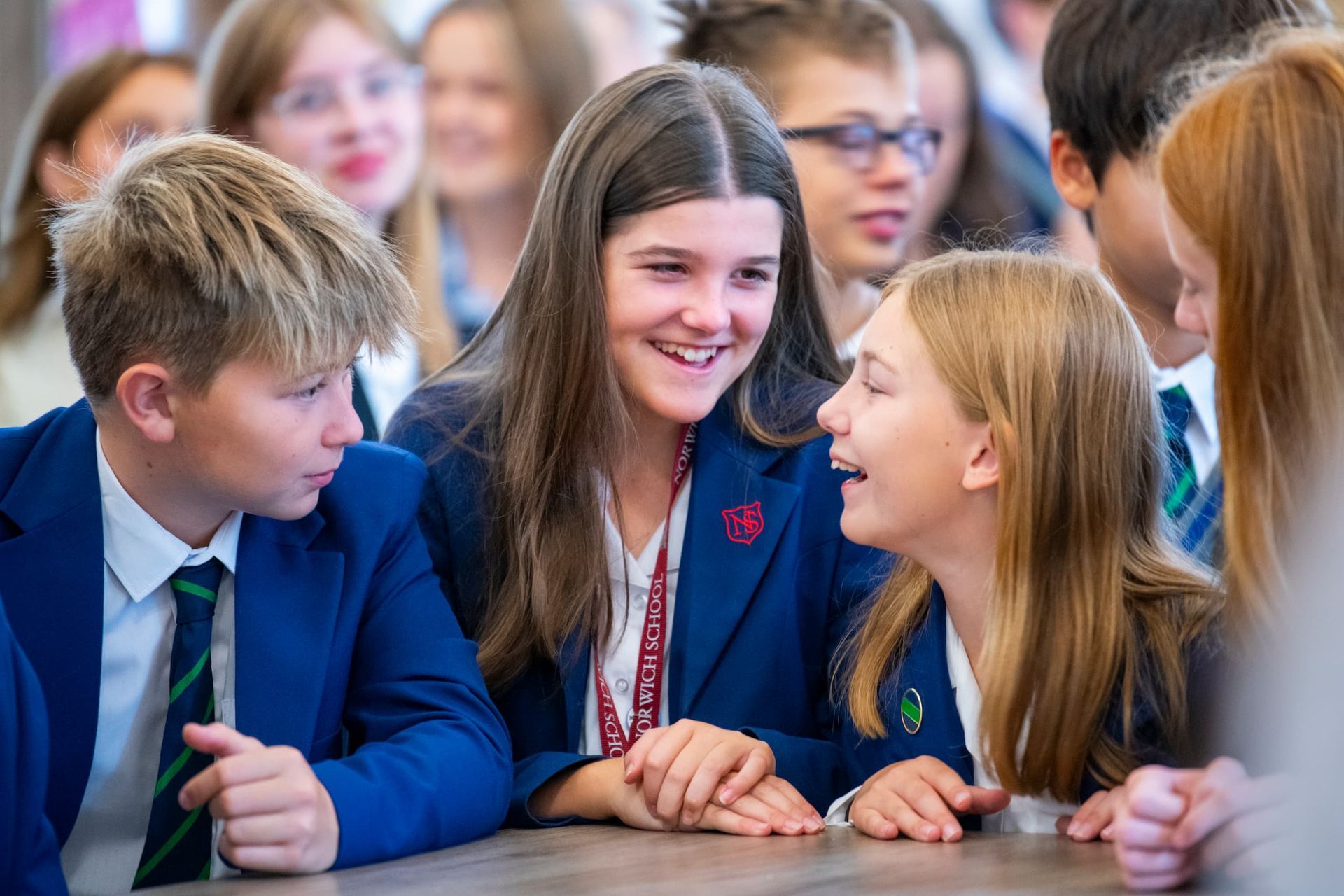

Norwich School is a co-educational, independent day school
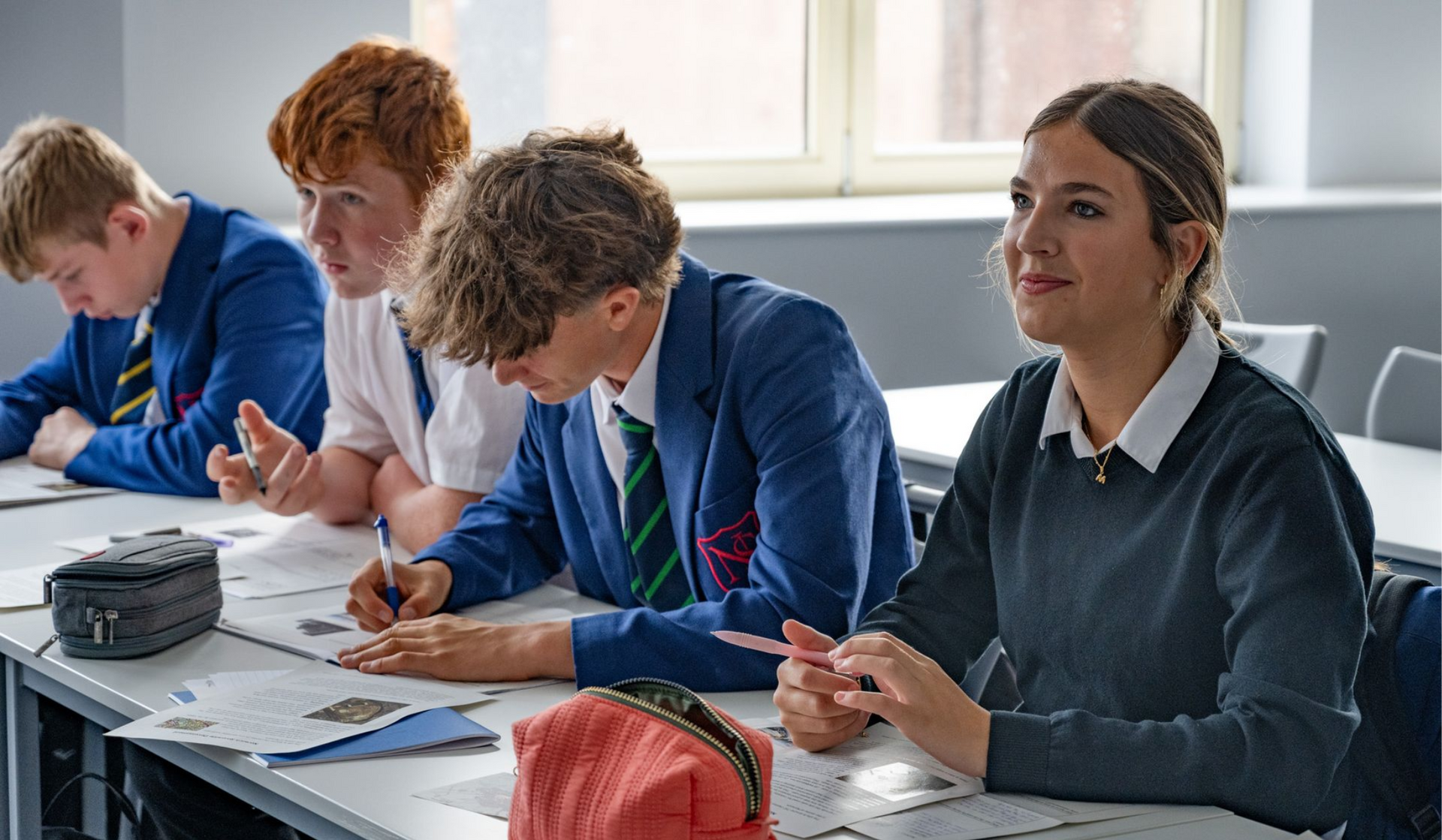
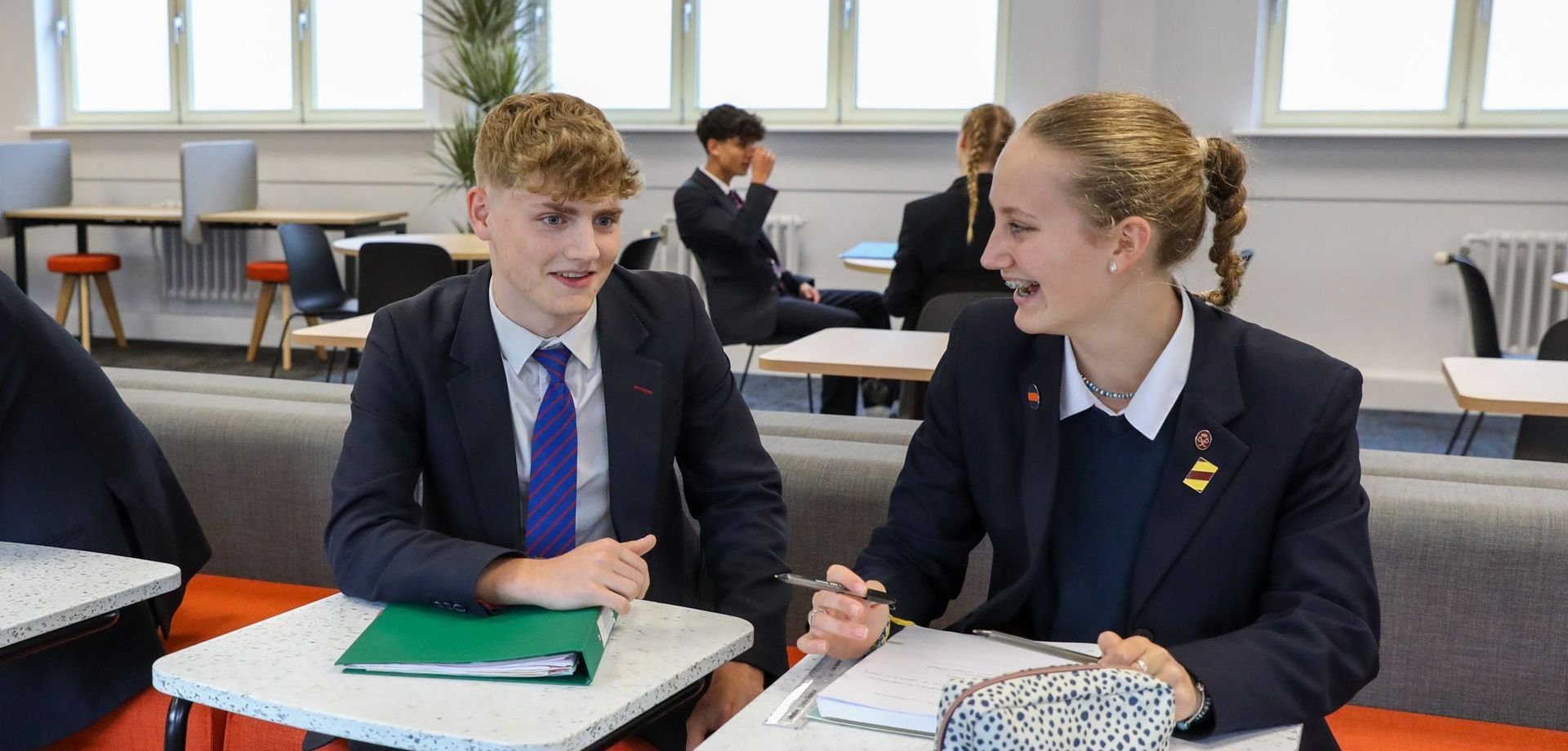
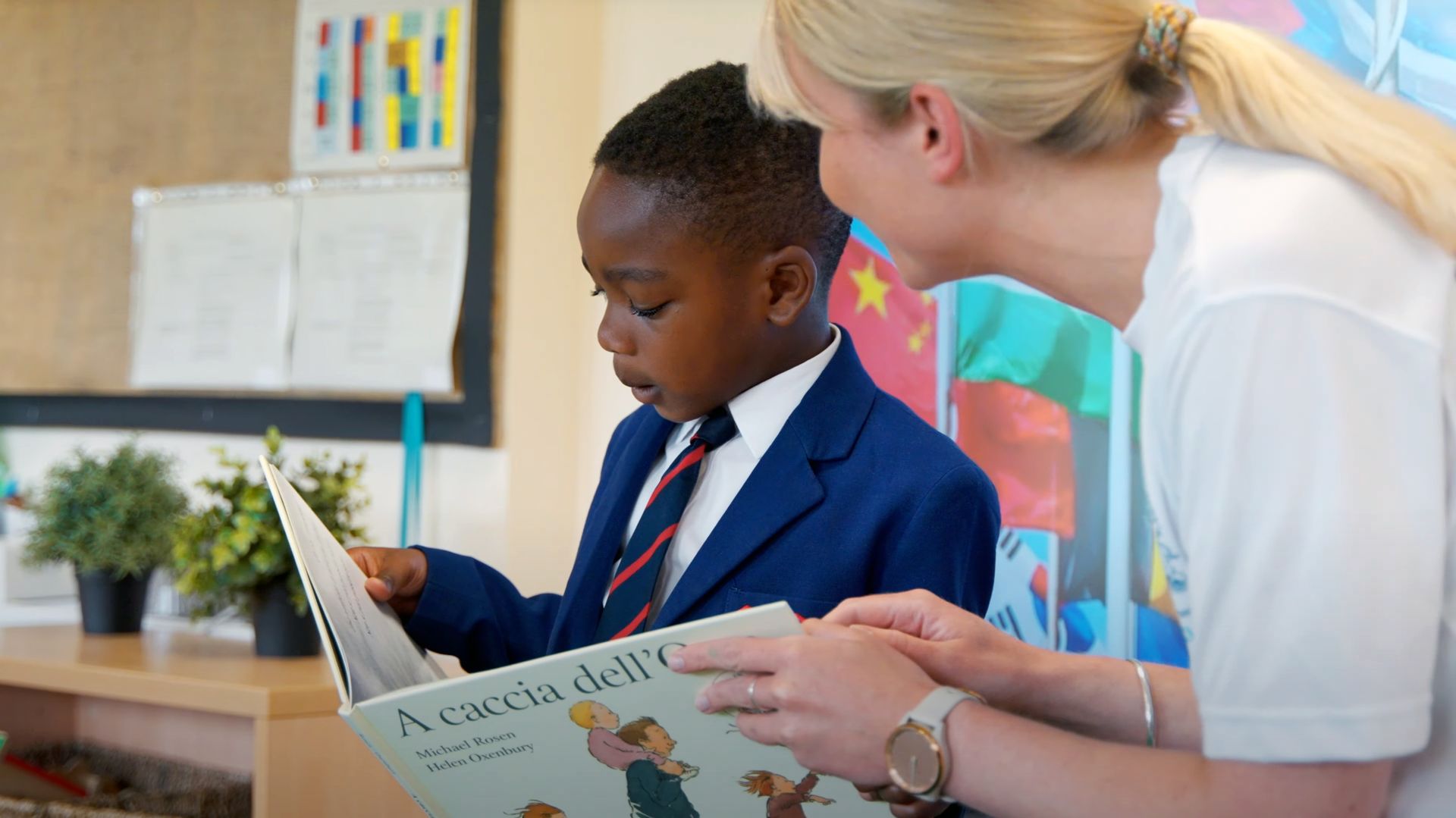
Norwich School is an independent, co-educational day school for pupils aged between three and eighteen.
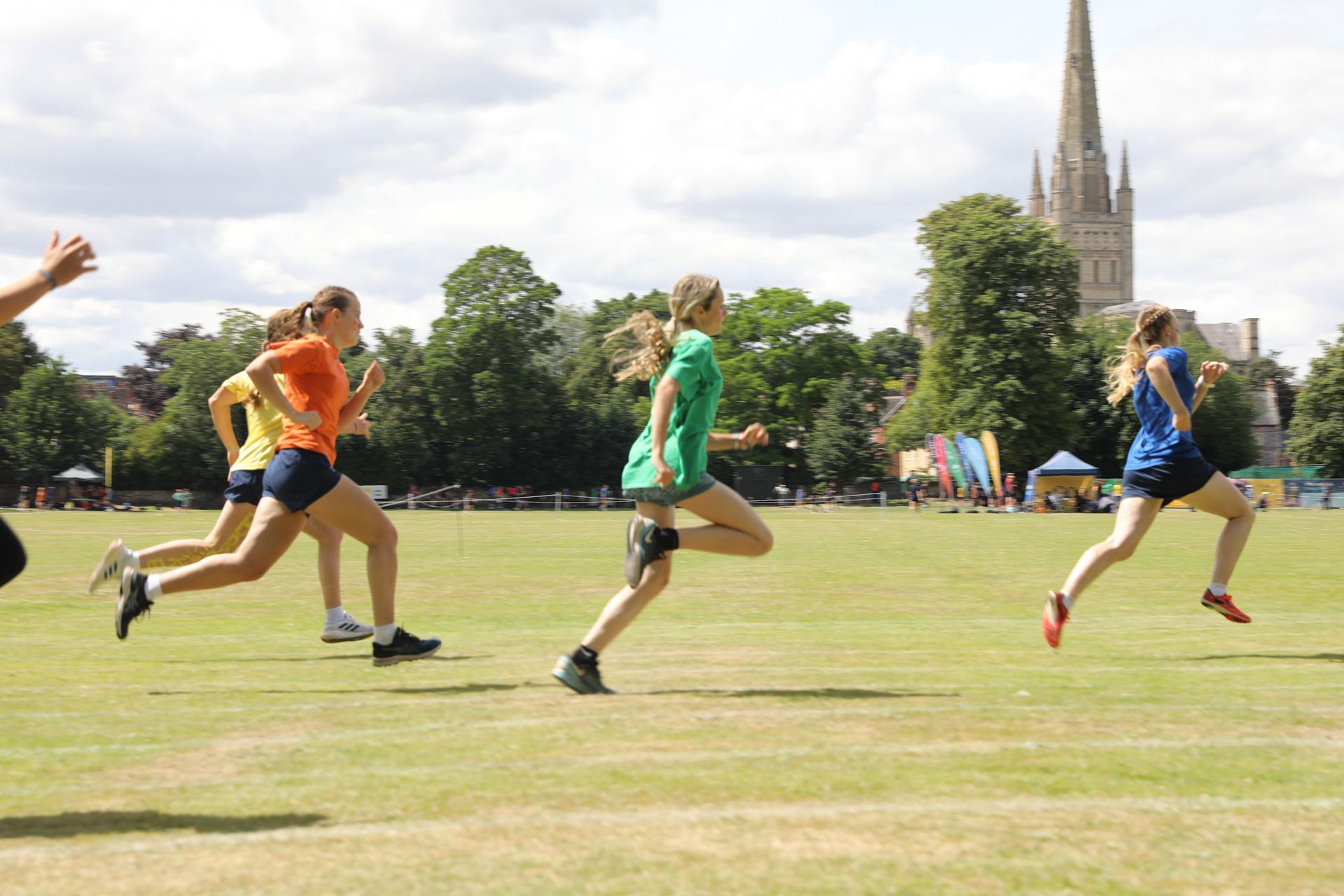
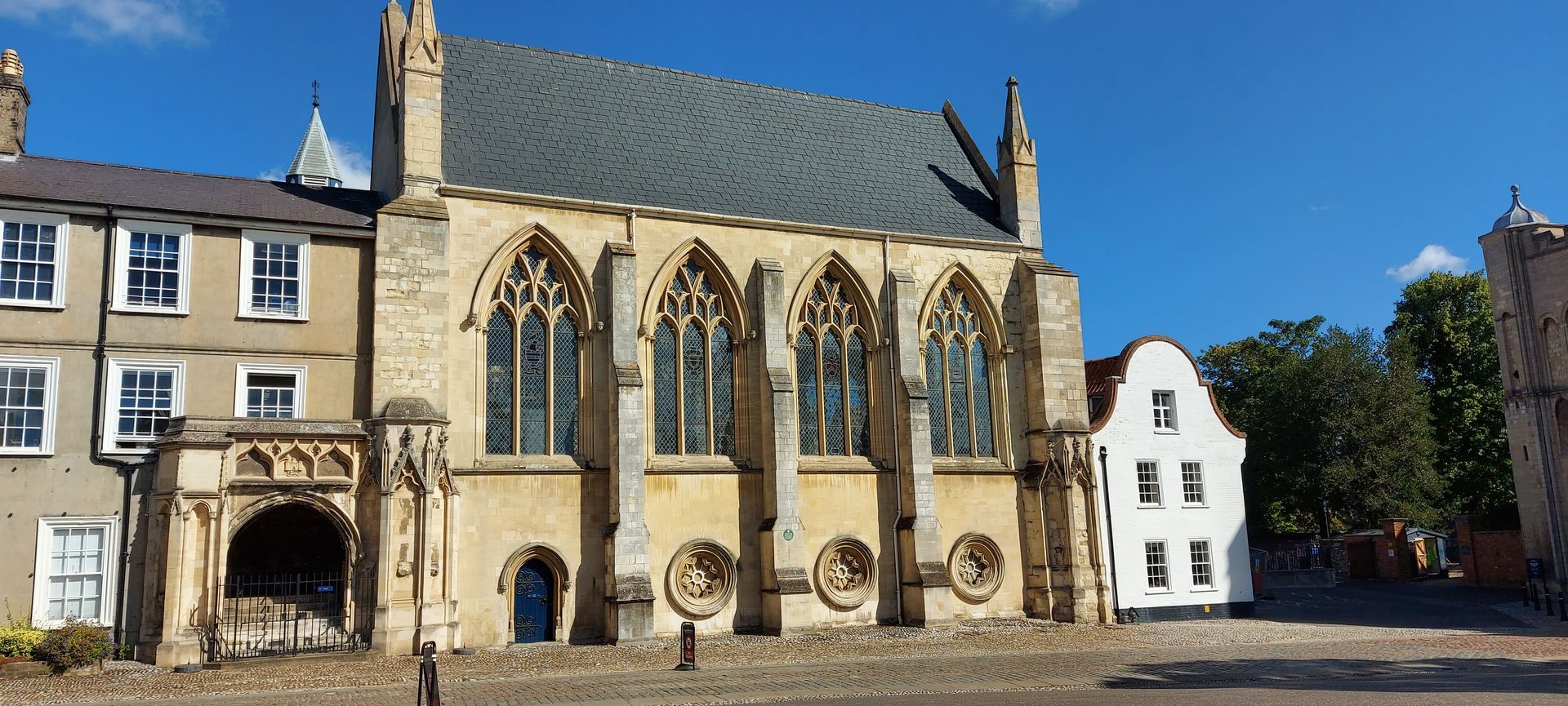
Set in the beautiful grounds of the city’s historic Cathedral Close, the school is a traditional yet lively place to learn and combines a vibrant, imaginative culture with values of scholarship and mutual respect.
Discover More
Upcoming Events
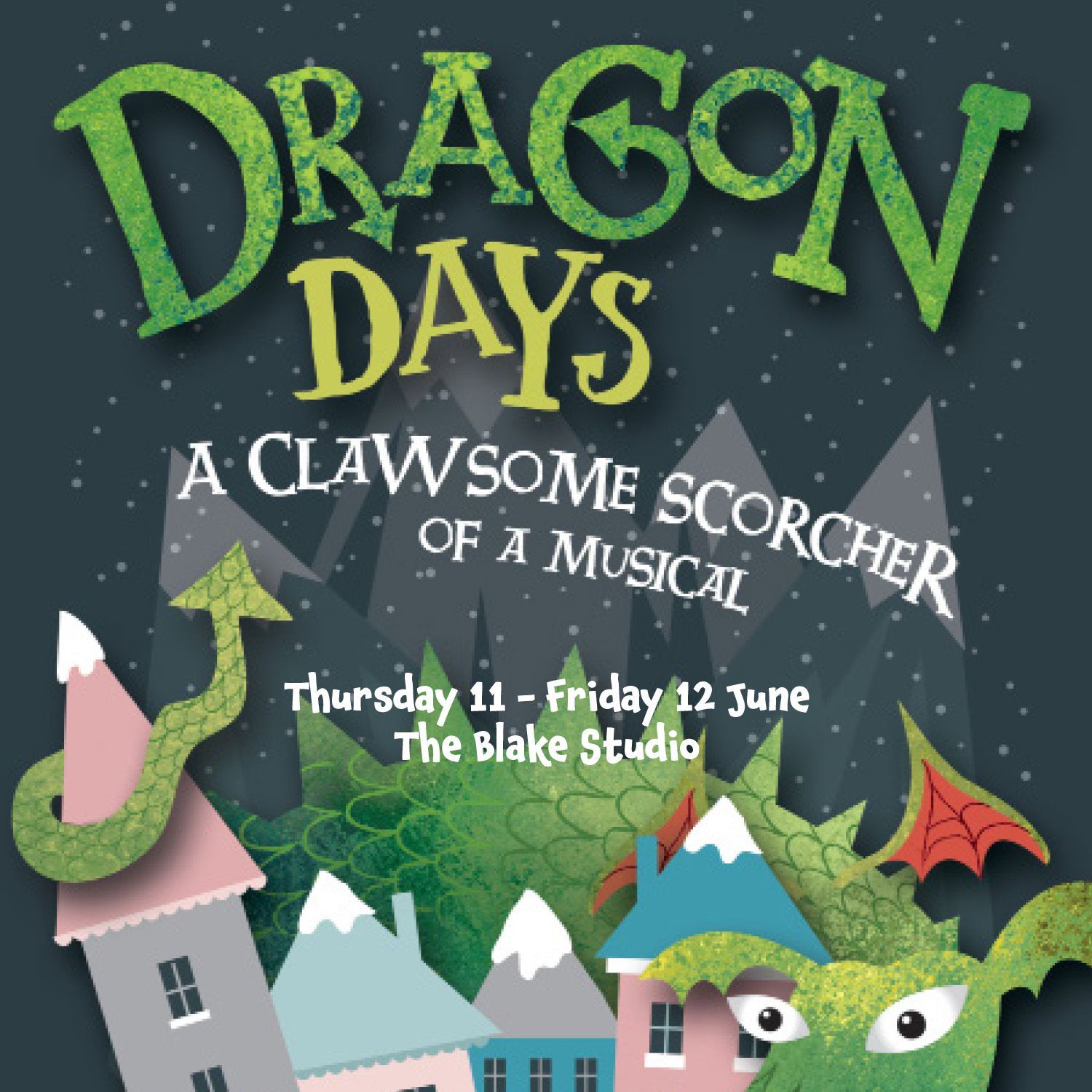
Dragon Days
Thursday 11 June 2026 - Friday 12 June 2026
The Blake Studio, 18:00
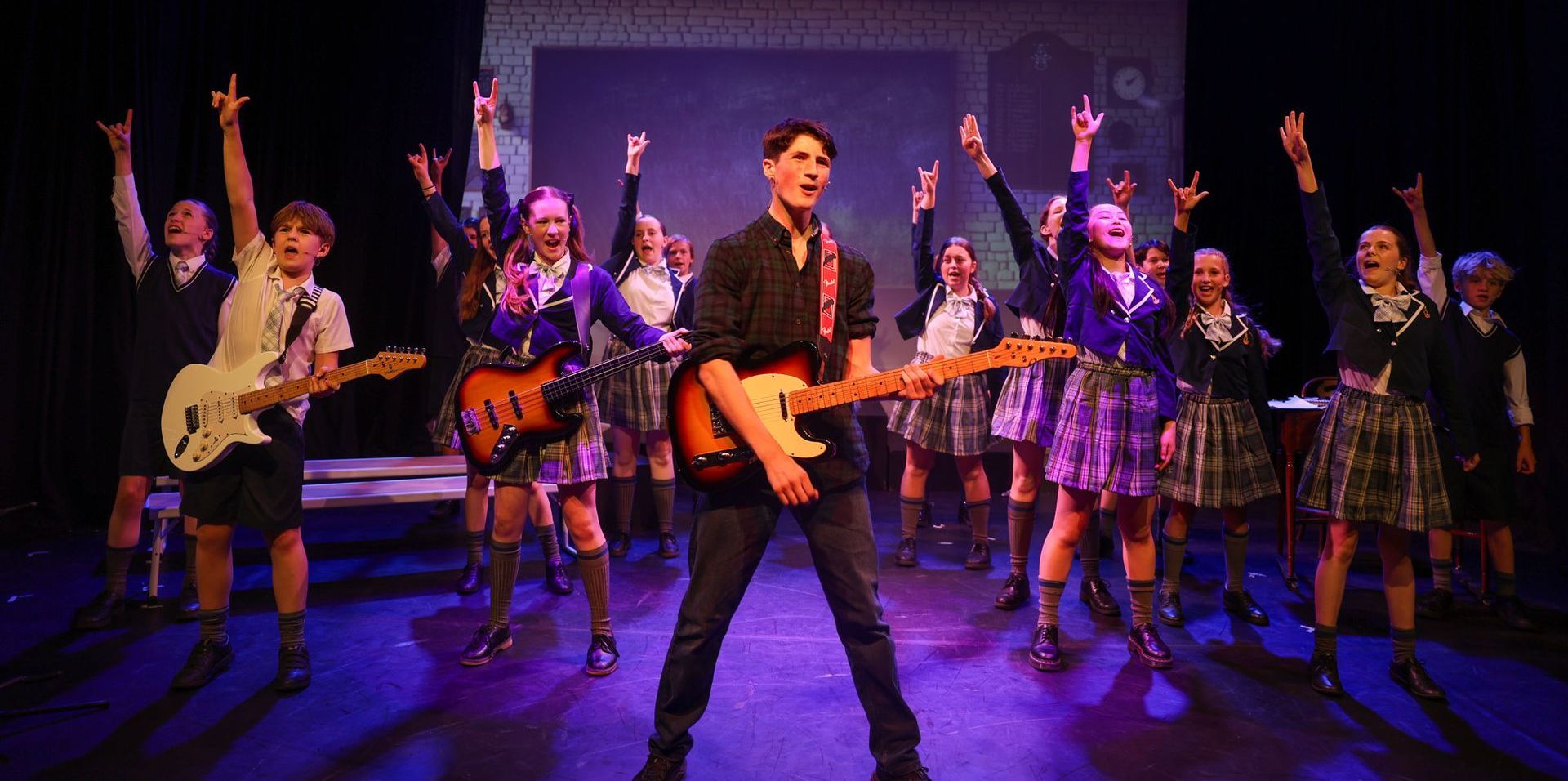
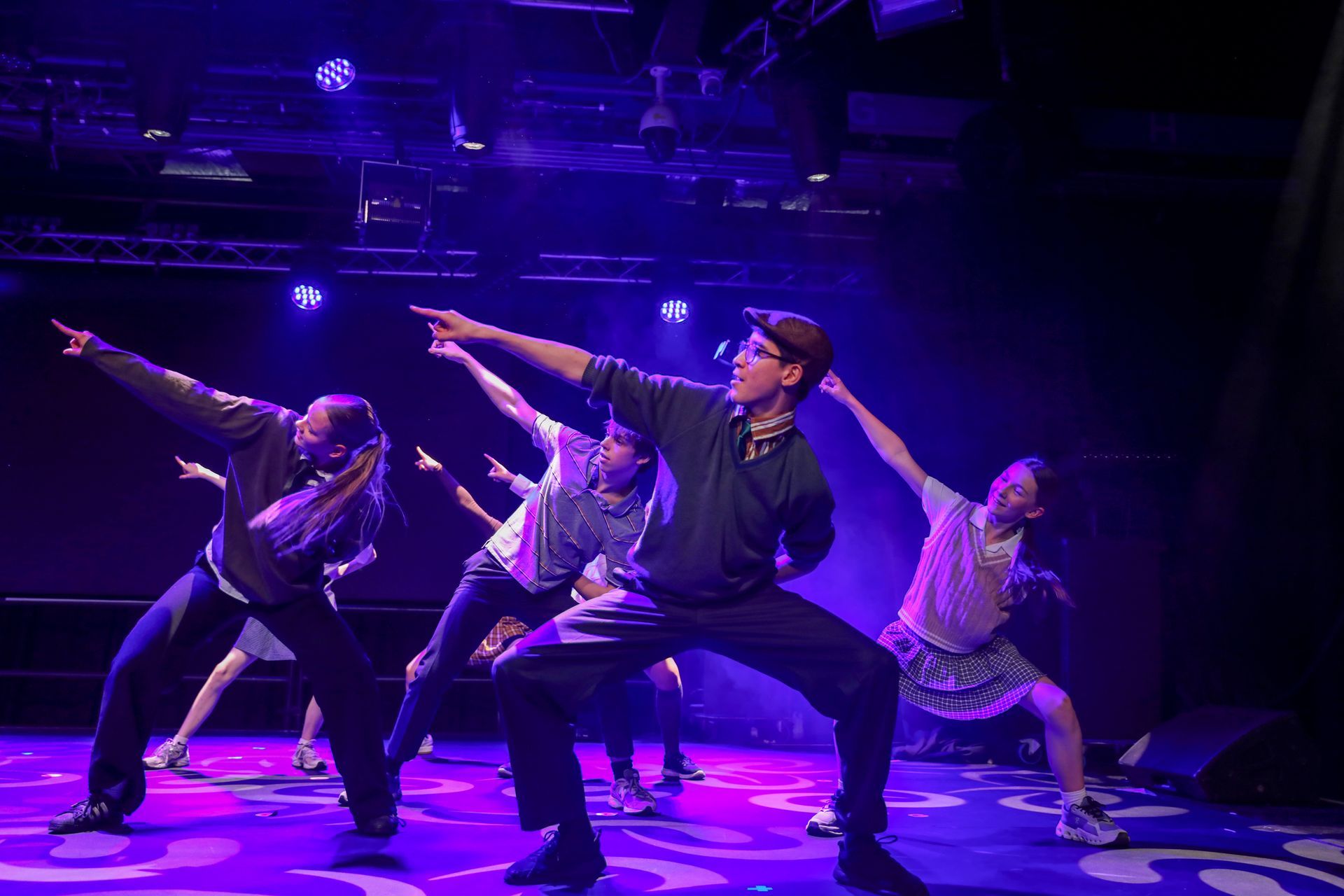
Get ready for an epic adventure! This summer, our Upper 2 pupils bring to life the hilarious and action-packed musical Dragon Days.
The Royal Norfolk Show
Wednesday 24 - Thursday 25 June 2026
The Norfolk Showground
Come and join us!
Gather26
Norwich School’s yearly celebration of pupil Art & Design, Drama, Dance, Music and Performance.
More details coming soon...
Latest News

Richard Wentworth has played a leading role in New British Sculpture since the end of the 1970s. His work, encircling the notion of objects and their use as part of our day-to-day experiences, has altered the traditional definition of sculpture as well as photography. By transforming and manipulating industrial and/or found objects into works of art, Wentworth subverts their original function and extends our understanding of them by breaking the conventional system of classification. The sculptural arrangements play with the notion of ready-made and juxtaposition of objects that bear no relation to each other. Whereas in photography, as in the ongoing series Making Do and Getting By, Wentworth documents the everyday, paying attention to objects, occasional and involuntary geometries as well as uncanny situations that often go unnoticed. Richard Wentworth lives and works in London. He was awarded an OBE in 2011. No prior booking required. Tickets available at the door. ncas members £7, non-members £10, students FREE. The Blake Studio is fully accessible. There is also free car parking directly outside.
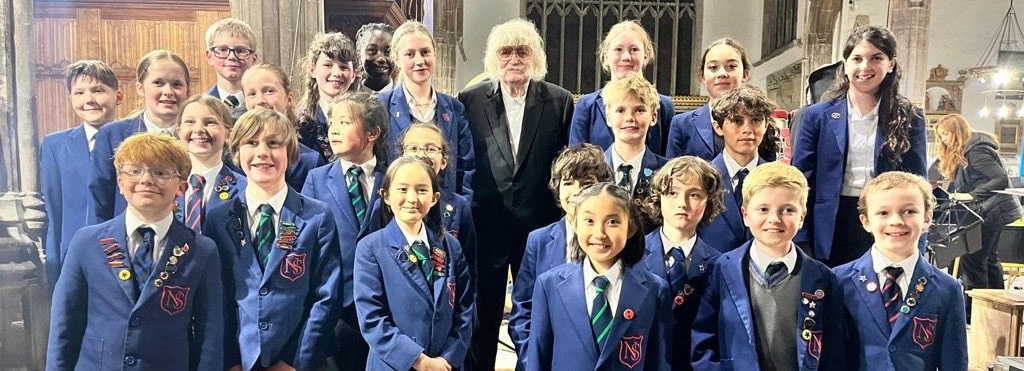
It was a great honour to be asked by the Kings Lynn Festival Chorus to sing as the young voices of World-famous composer Sir Karl Jenkins’ piece Cantata Memoria in his presence. He is one of the most famous living composers in the UK and one of his pieces, The Armed Man , was recently voted as the most popular piece of classical music in the Classic FM Hall of Fame. On Saturday 9 May 2026, members of the Norwich School Junior choir and the Norwich Lower School Chamber Choir set off for St. Nicholas church Kings Lynn. When we arrived, we started rehearsing Cantata Memoria with the lovely conductor: Ben Horden, the professional Orchestra and the Kings Lynn Festival Chorus. Many of the junior and lower school chamber choir had never sung with an orchestra before, making this an incredible new experience for all of them. Before the concert, we had free time to sit outside the beautiful church and eat dinner in preparation for the long concert. The concert was in two parts, although we did not sing in the first half it was very exciting to hear some of Sir Karl Jenkins other works, such as his Te Deum and his Mass For Peace . In the second half we sang the Cantata Memoria – a piece composed to commemorate the Aberfan Disaster of 1966, where 144 people (mostly children) died when a coal spoil tip engulfed the small Welsh mining village. The Cantata was both beautiful and intense telling the story. In between movements we could look at the audience, some of which were in tears from the sheer beauty and sadness of the piece. The orchestra was spectacular and so were the soloists, Khrystyna Makar (soprano) and Paul Carey Jones (baritone/bass). Their captivating performances added to the incredible atmosphere of the concert. At the end of the concert, we all got to gather to take a photo with Sir Karl who was very impressed by the performance, congratulating us on our contribution. Overall, it was an amazing experience for all of us who went to sing.
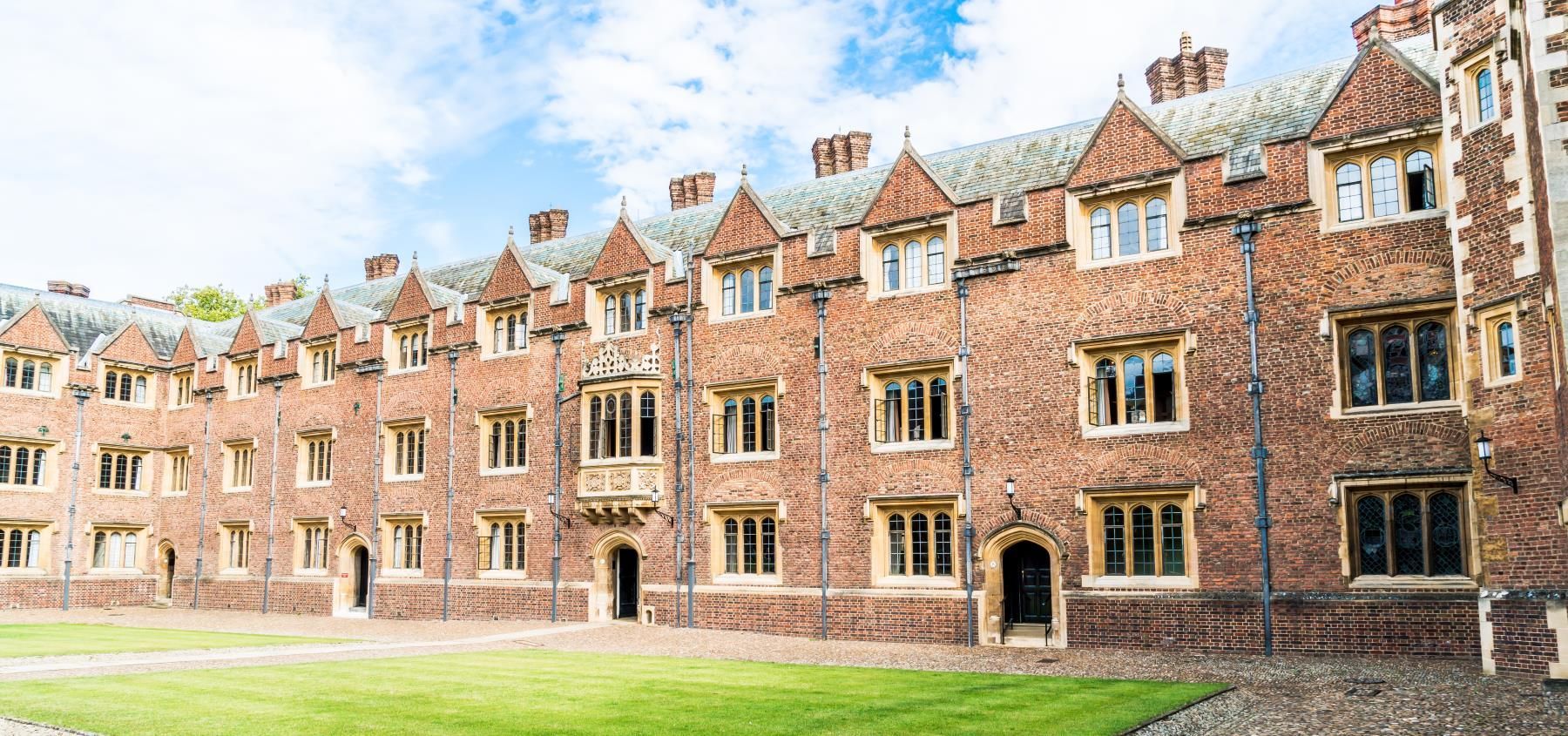
With the Upper 6 soon to start their study leave, we are going to announce a final selection of university offers and offers for apprenticeships that they have received. We wish the Upper 6 pupils all the best as they sit their A level examinations and hope that the 20 pupils still awaiting outcomes of one or more of their applications receive good news on these soon. The school’s Apply Plus Programme is run by Mr Pearce. It supports pupils applying to academic courses that require admissions tests and/or interviews. Pupils with Apply Plus offers not previously announced: Lily Mei ML - Foundation Year in Arts, Humanities and Social Sciences at the University of Cambridge This makes the total number of Norwich School offers from Oxford and Cambridge this cycle 11. Daniel AM – Economics at UCL Thomas H – Computing at Imperial College Anish K– Economics at the University of Warwick Humanities/Social Sciences/Languages: Isabel B – Spanish at the University of St. Andrews Edward Bl – History with a Year Abroad at UCL Joel F (ON) – Politics, Philosophy and Economics (PPE) at LSE (London School of Economics) Hannah H - Culture, Media & Creative Industries at King’s College London Darcy W – International Management (including Year Abroad) at the University of Warwick Sciences: Bea F – Environment and Sustainability at the University of Surrey Cynthia L – Neuroscience at UCL Victor P – Engineering Business Management at the University of Warwick Halvard Y - Data Science at LSE Creatives: Will C – Acting (BA) at East 15 Ernie H– Music Production at Northbrook College Lana K – Music Performance – Drums at the Academy of Contemporary Music Isla V– Contemporary Dance (BA) at Trinity Laban Toby W – Architecture with professional placement at the University of Bath Overseas: Gabriel C – offers from both Hong Kong University (HKU) and Hong Kong University of Science and Technology (HKUST) Gilia C and Mari L – offers from Hong Kong University of Science and Technology (HKUST) Apprenticeships: Louise H – Accountancy apprenticeship with Berry & Warren (Norwich) George S– Engineering apprenticeship with the National Grid (Eakring, Nottinghamshire)
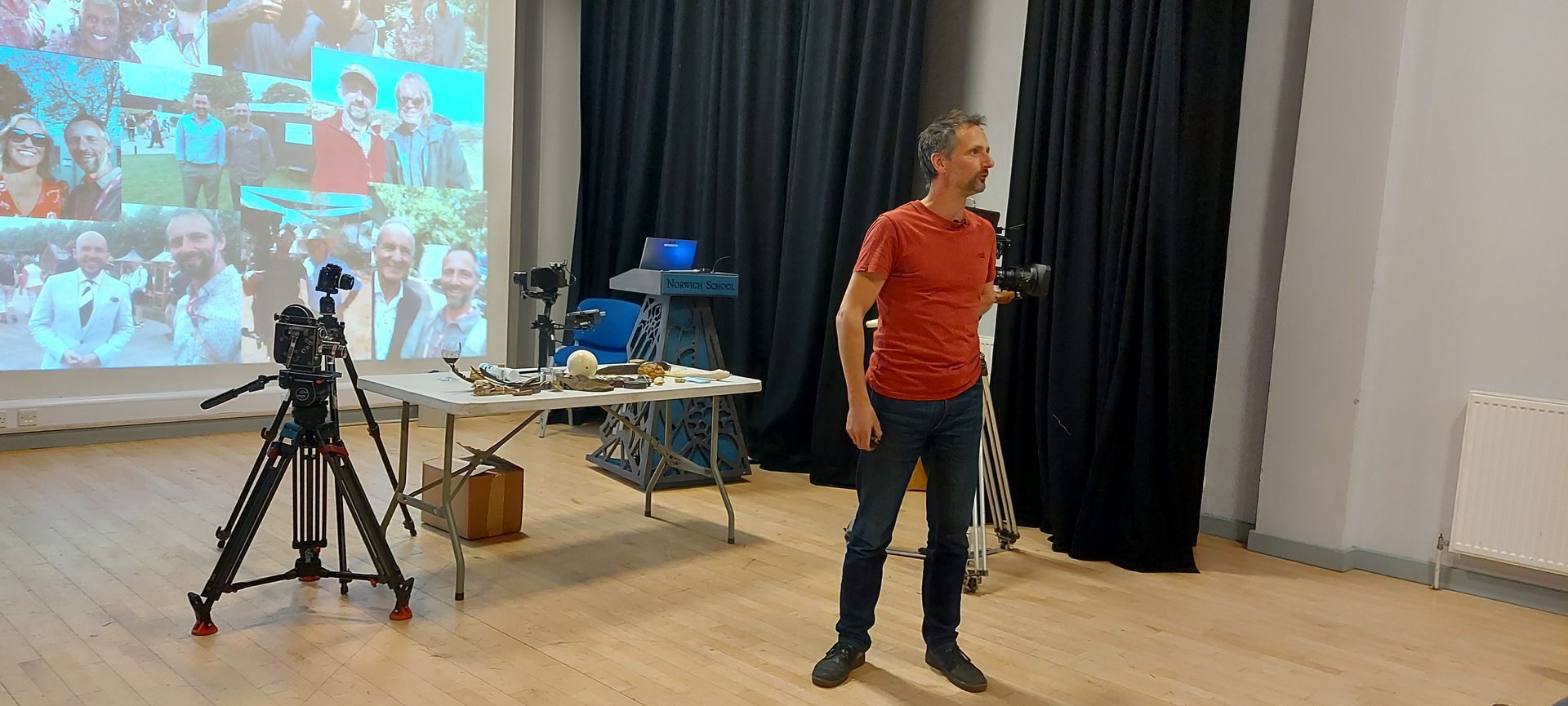
On 07 May 2026, it was with great pleasure that the school welcomed back on site the illustrious Royal Geographical Society (RGS) for the latest in their series of public lectures on site. A capacity audience in the Blake Studio of pupils, staff, parents, alumni, Fellows of the RGS and those with an interest in the natural world heard from charismatic adventurer and Old Norvicensian Toby Hough. His talk was a real treat, and it was a pleasure welcoming him back to his alma mater. Toby is an accomplished and award-winning wildlife filmmaker. His credits include work seen on Countryfile, The One Show, Springwatch programmes, filming for the RSPB, and numerous BBC wildlife documentaries and travel programmes. His career has included working with TV legends including Ray Mears, Julia Bradbury and Chris Packham, and, although Norfolk based these days, he has travelled extensively thought his long career. Many witty and humorous anecdotes ensued, highlighting a fascinating and unpredictable career, often one of great personal discomfort and sacrifice in pursuit of those thrilling ‘killer images’ we see on wildlife programmes. Toby was generous in explaining the complexities of his craft and backed this up with some appealing slides plus a table of wildlife treasures picked up from his global travels. These included a fossilised megalodon tooth, vulture feathers, a walrus tusk, inter alia. An interesting Q&A followed, including some pertinent questions from our younger audience members, carried on over refreshments afterwards. These RGS talks offer intellectual rigour and great entertainment for both the academic and the lay-person alike and are always well worth attending. The RGS autumn programme is being worked out, and we look forward to hosting them here later this year.
School Gallery





View more

